

Filters
Interior design trends move fast, especially in apartments, where every decision has to work harder. What once felt effortlessly chic can suddenly feel overdone, impractical, or oddly out of step with how we actually live.
As we head into 2026, designers and tastemakers are quietly pressing refresh. The era of hyper-curated, social-media-perfect interiors is giving way to something warmer, more personal, and far more liveable, particularly for apartment and townhouse homes where comfort, flexibility, and longevity matter most.
From finishes that have overstayed their welcome to layouts that no longer suit modern life, here are seven interior design trends on the way out in 2026, and what’s taking their place instead.
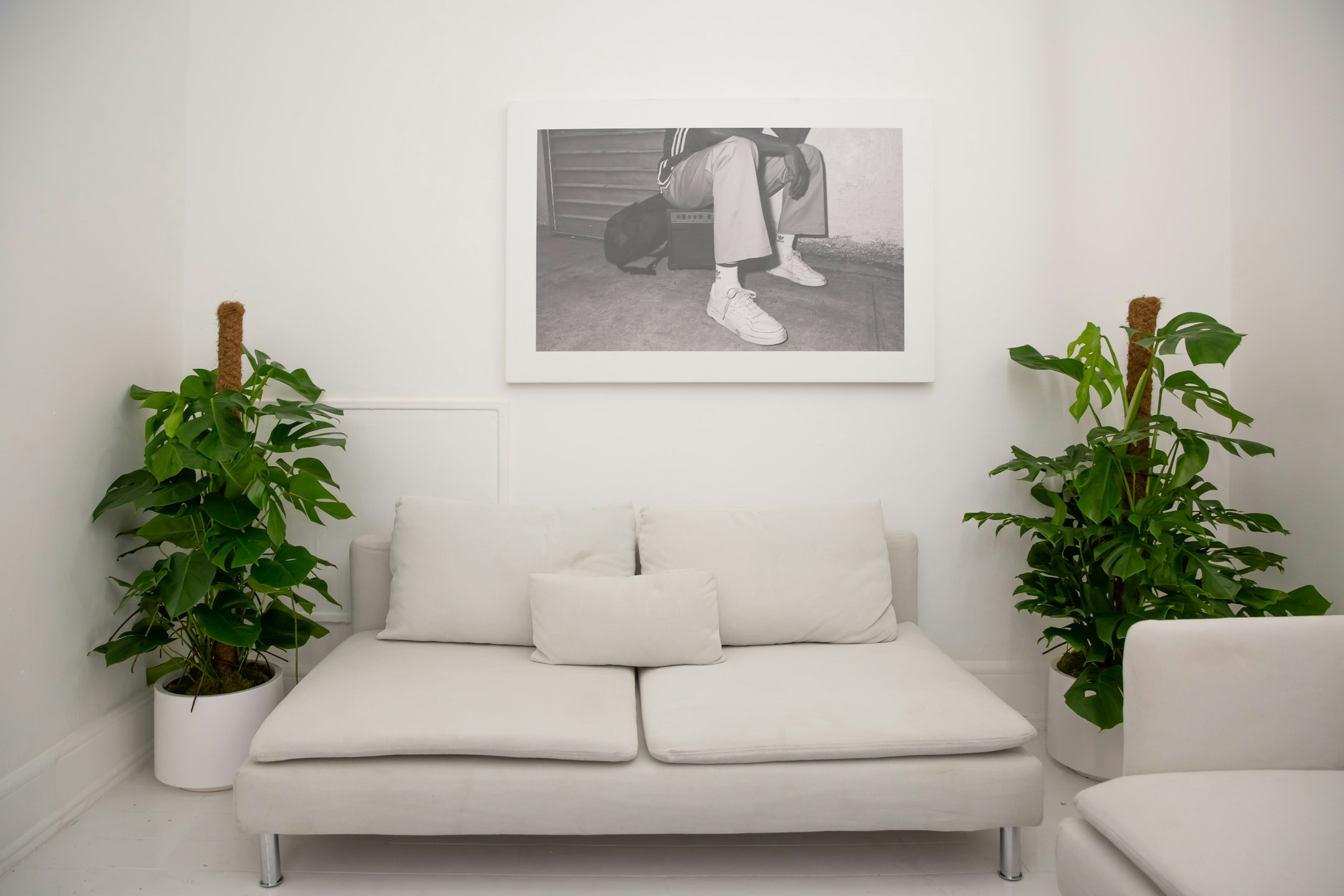
1. All-white, ultra-minimal interiors
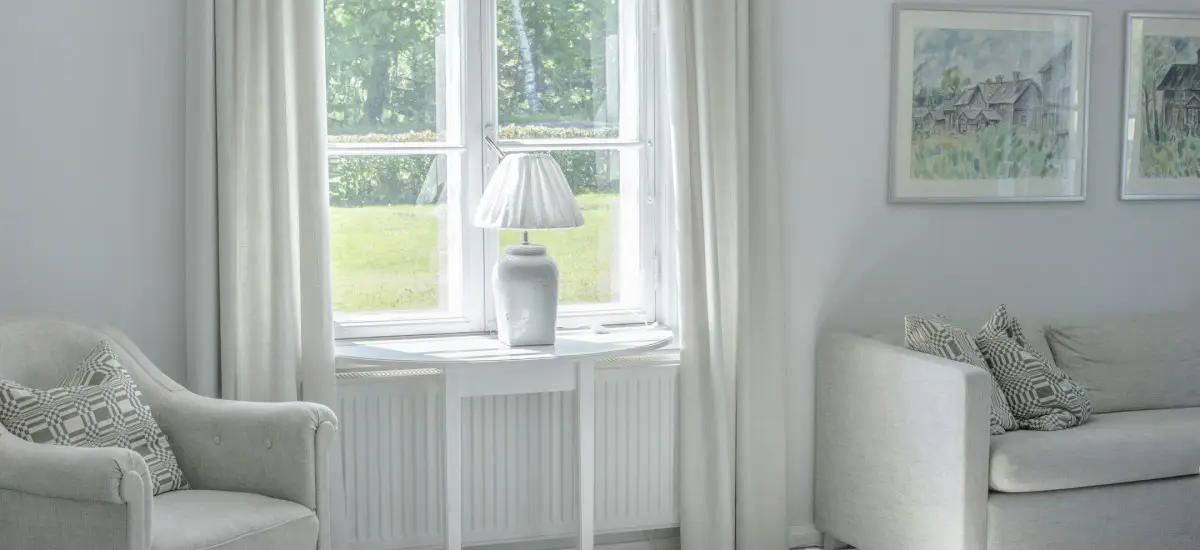
For years, white-on-white apartments reigned supreme: crisp, clean, and undeniably photogenic. But by 2026, this look is starting to feel a little… cold.
Designers are moving away from sterile minimalism and embracing warmth, depth, and personality. In apartments, especially, all-white interiors can flatten a space rather than enhance it.
What’s replacing it: Soft, earthy neutrals layered with texture, tonal colour palettes, and materials that age beautifully over time.
2. Bouclé everywhere
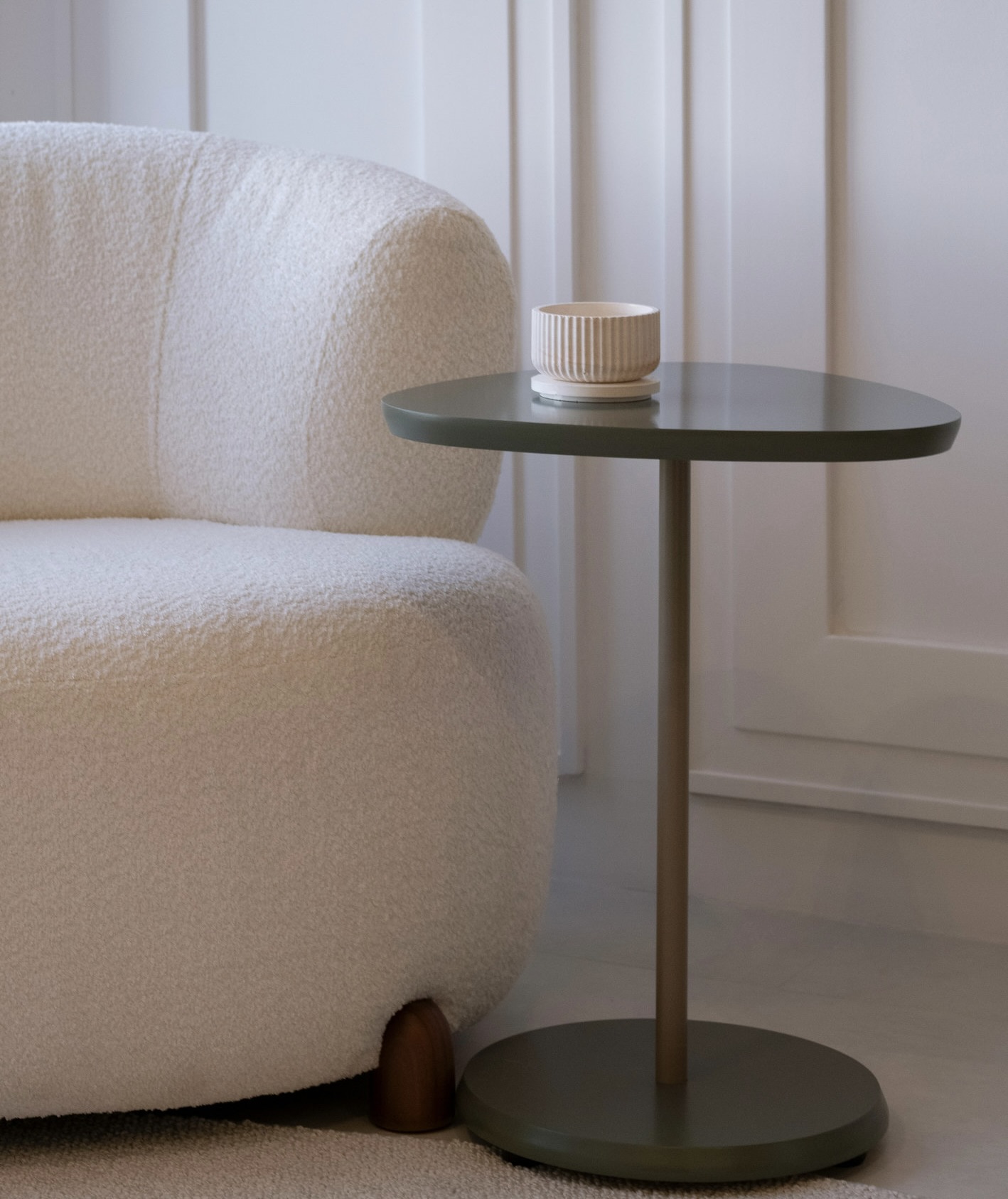
Bouclé isn’t disappearing entirely, but the era of bouclé sofas, chairs, cushions, and ottomans all in one room certainly is.
In apartments, where visual balance is key, too much of one texture can quickly tip from cosy to cluttered.
What’s replacing it: Texture mixing. Bouclé paired with linen, velvet, leather, or timber feels intentional rather than trend-driven.
3. Open shelving overload
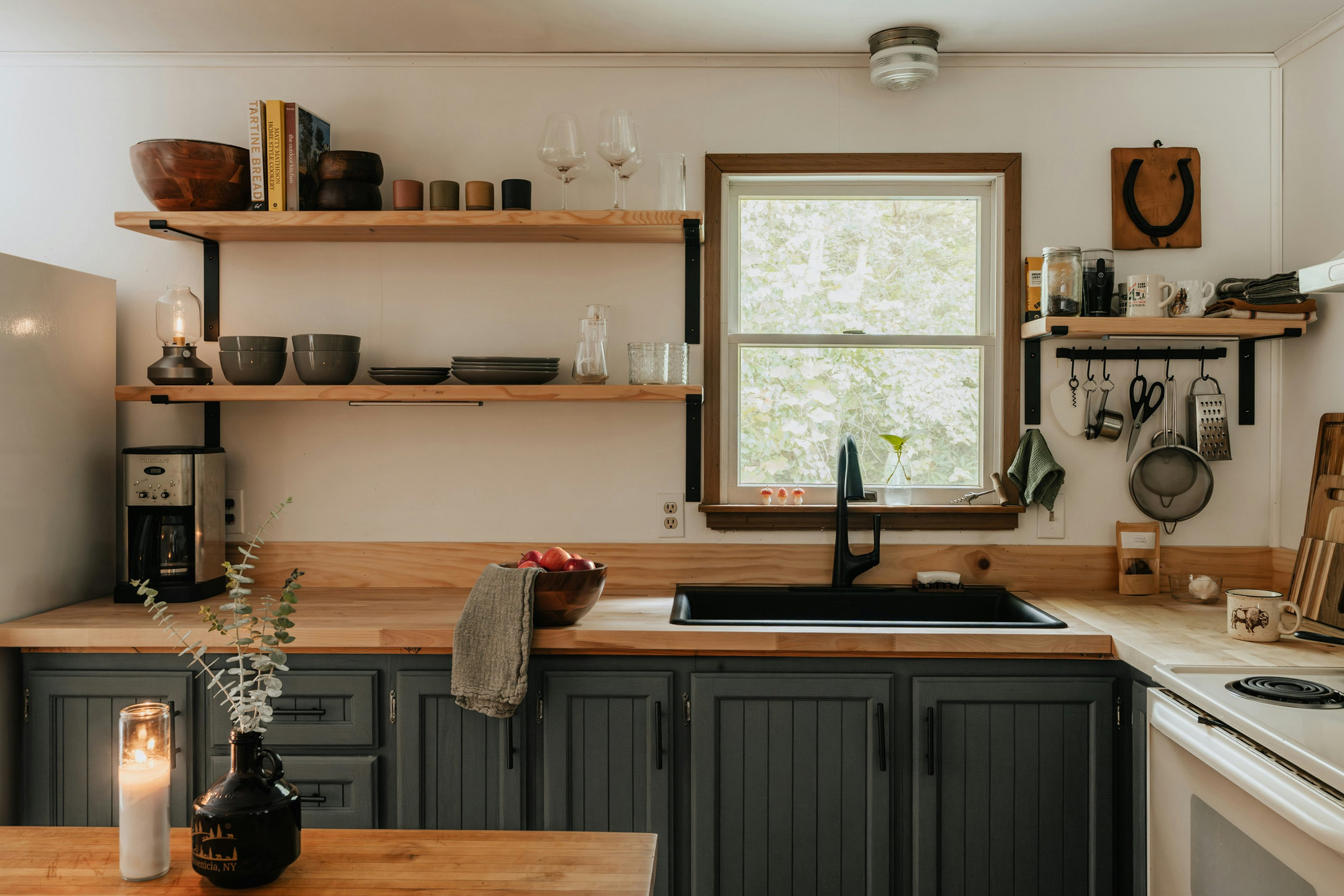
Open shelving looks beautiful in photos, but real life, especially apartment life, tells a different story. Dust, clutter, and constant styling fatigue have many homeowners rethinking the trend.
What’s replacing it: A return to closed storage, with selective open moments used for display rather than daily essentials.
4. Extreme minimalism or maximalism
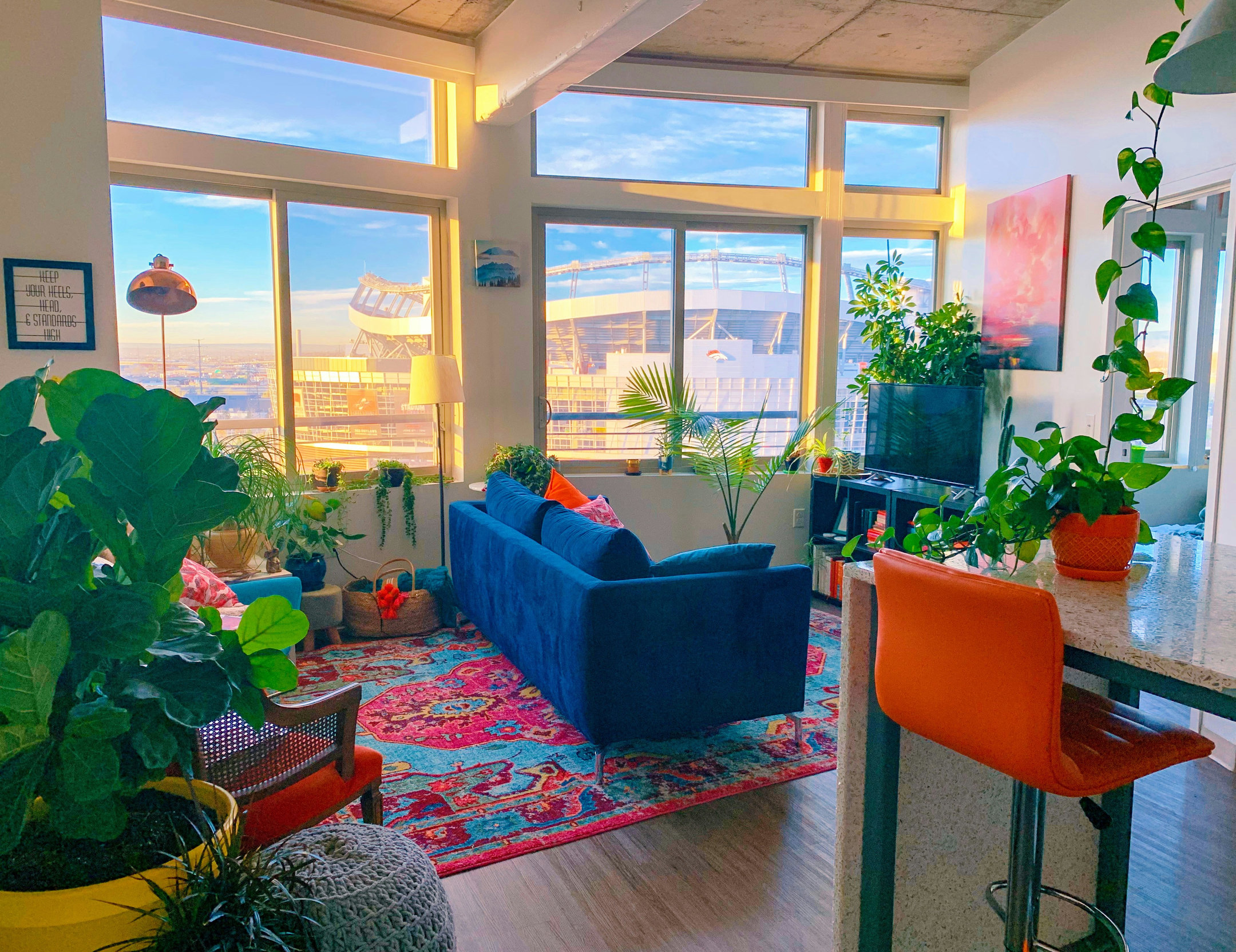
Both ends of the spectrum are losing steam. Ultra-minimal spaces can feel cold and impractical, while maximalism-for-maximalism’s sake can overwhelm smaller apartment footprints.
What’s replacing it: A curated middle ground of layered, personal interiors that feel collected over time, not styled in one hit.
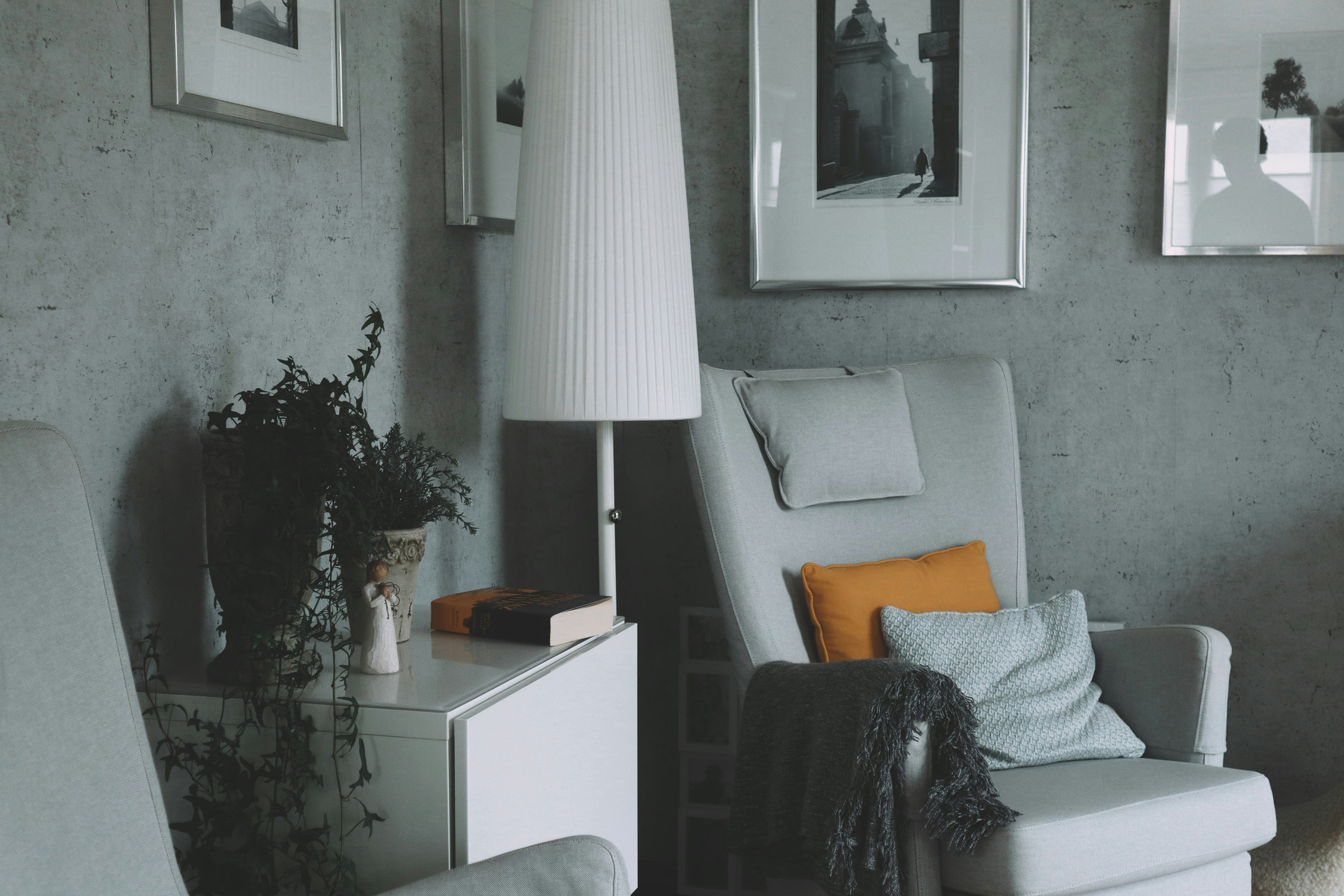
5. Grey-on-grey colour schemes
Cool greys once felt modern and safe, but in 2026, they’re officially losing their grip. In apartments, especially those with limited natural light, grey-heavy palettes can make spaces feel flat and uninviting.
What’s replacing it: Warmer tones of mushroom, clay, caramel, muted greens, and dusty blues bring softness and a sense of calm without overwhelming smaller spaces.
6. Fast-fashion homewares
Disposable décor is officially falling out of favour. Constantly swapping out inexpensive, trend-led pieces feels increasingly out of step with sustainability and with rising living costs.
What’s replacing it: Thoughtful investment pieces, vintage finds, and décor with longevity. Fewer items chosen well go much further in apartments and in any home.
7. One-off feature walls
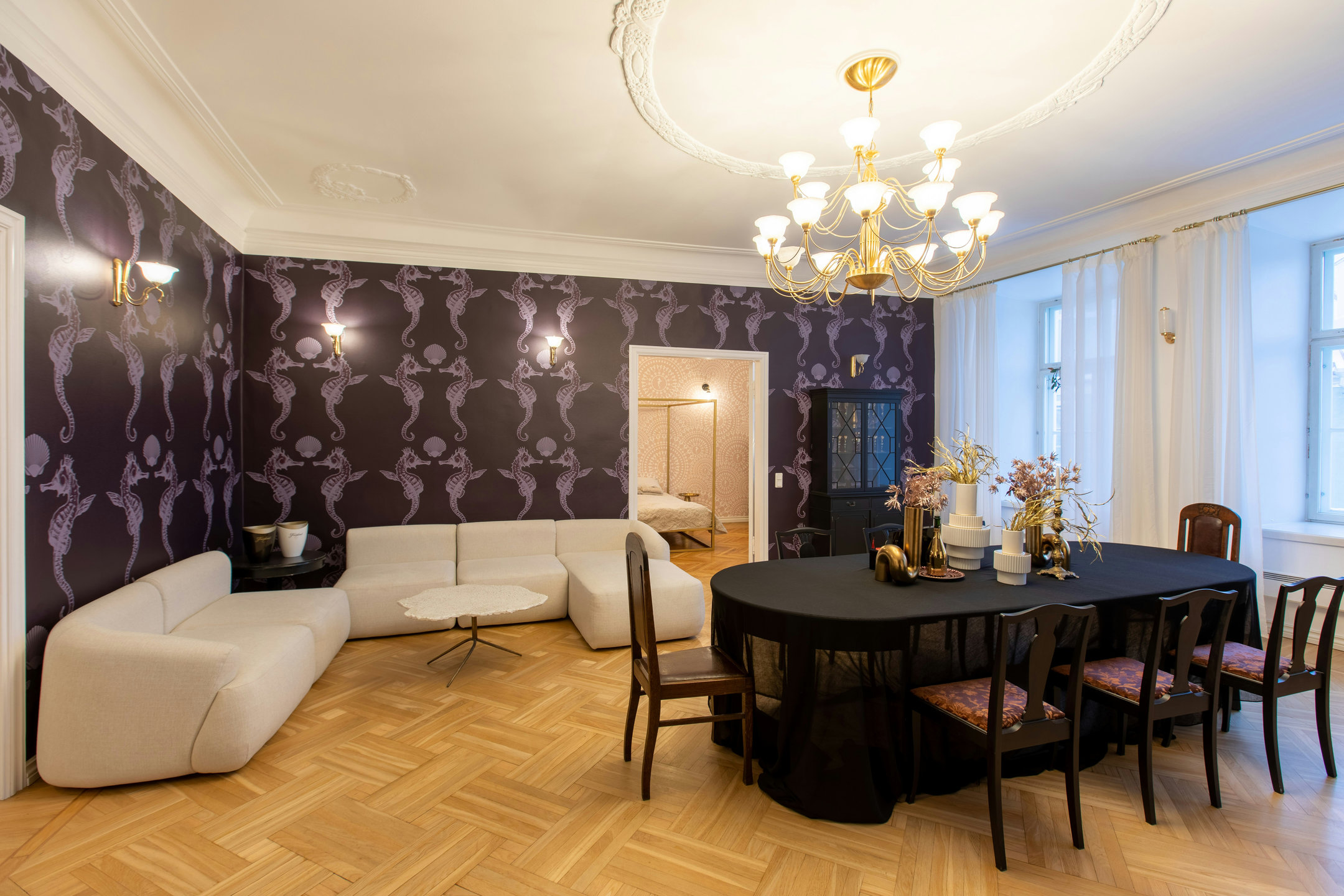
The single “statement wall” is quietly being retired. In apartments, especially open-plan ones, a lone feature wall can feel disconnected from the rest of the space.
What’s replacing it: More cohesive, whole-room approaches using colour drenching, tonal layering, or subtle material shifts that flow seamlessly throughout your interiors.
So, what is in for apartment interior design in 2026?
If 2026 is about anything, it’s about designing homes that feel warmer, more personal, and easier to live in. For apartment and townhouse owners, that means making thoughtful choices that elevate everyday life without sacrificing practicality.
After all, trends may come and go, but spaces that feel personal, layered, and genuinely liveable? Those never go out of style.
These are the design shifts worth embracing instead.
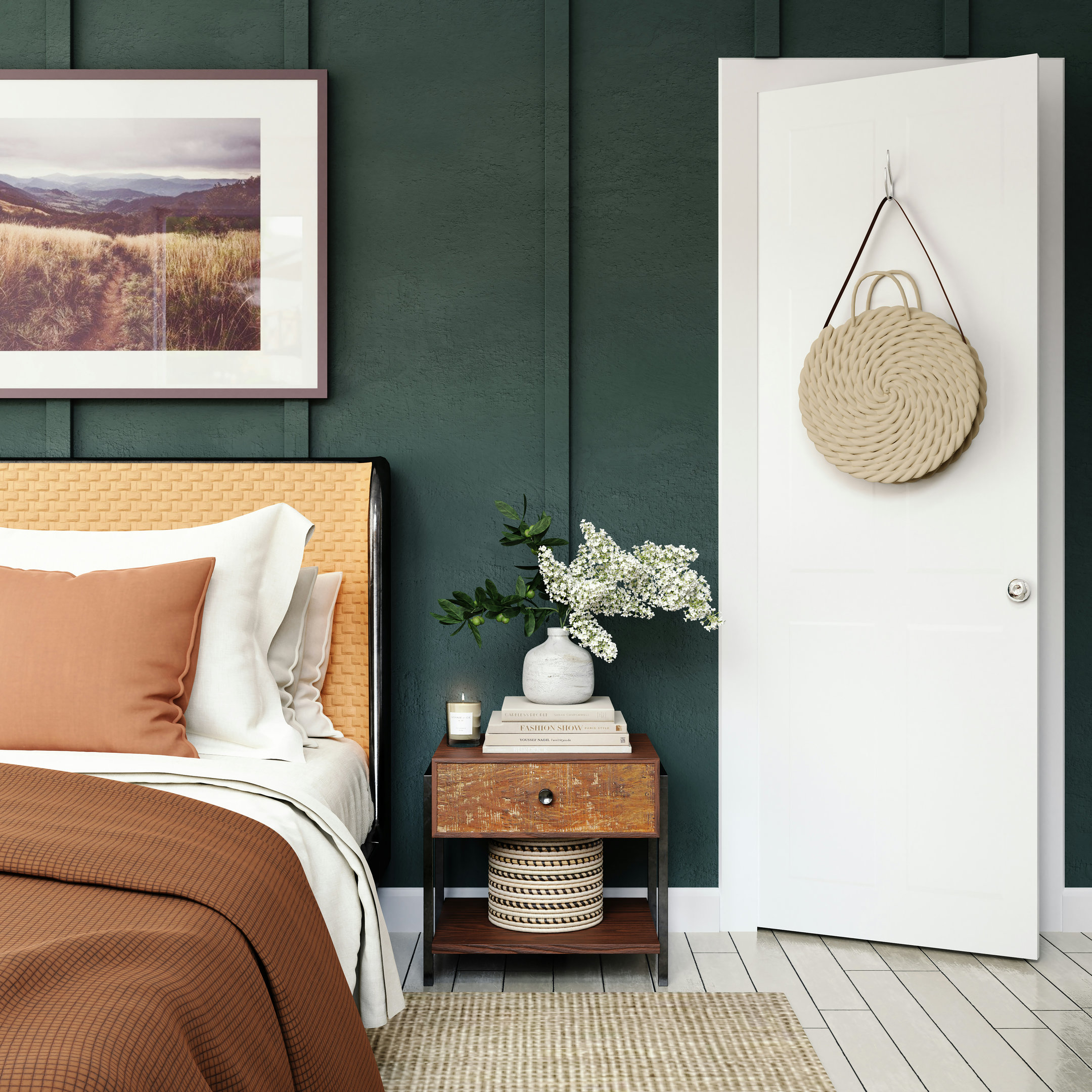
1. Warm, lived-in palettes
Think earthy neutrals, softened colour, and tones inspired by nature, such as clay, olive, tobacco, muted blues, and caramel hues. These shades add depth without overwhelming smaller spaces and work beautifully in open-plan apartment layouts.
Natural materials add character to these palettes, from timber (especially darker or aged finishes) and stone to linen and leather.
2. Layered texture, used thoughtfully
Texture isn’t going anywhere. In fact, it’s just becoming more refined. Instead of one texture everywhere, lean into mixing finishes to create warmth and visual interest. For example, soft upholstery paired with timber or stone balanced with metal.

3. Storage that works (and looks good)
Smart, integrated storage is having a moment, especially in apartments. Closed cabinetry, concealed solutions, and multifunctional joinery are being prioritised, helping homes feel calmer, cleaner, and more spacious.
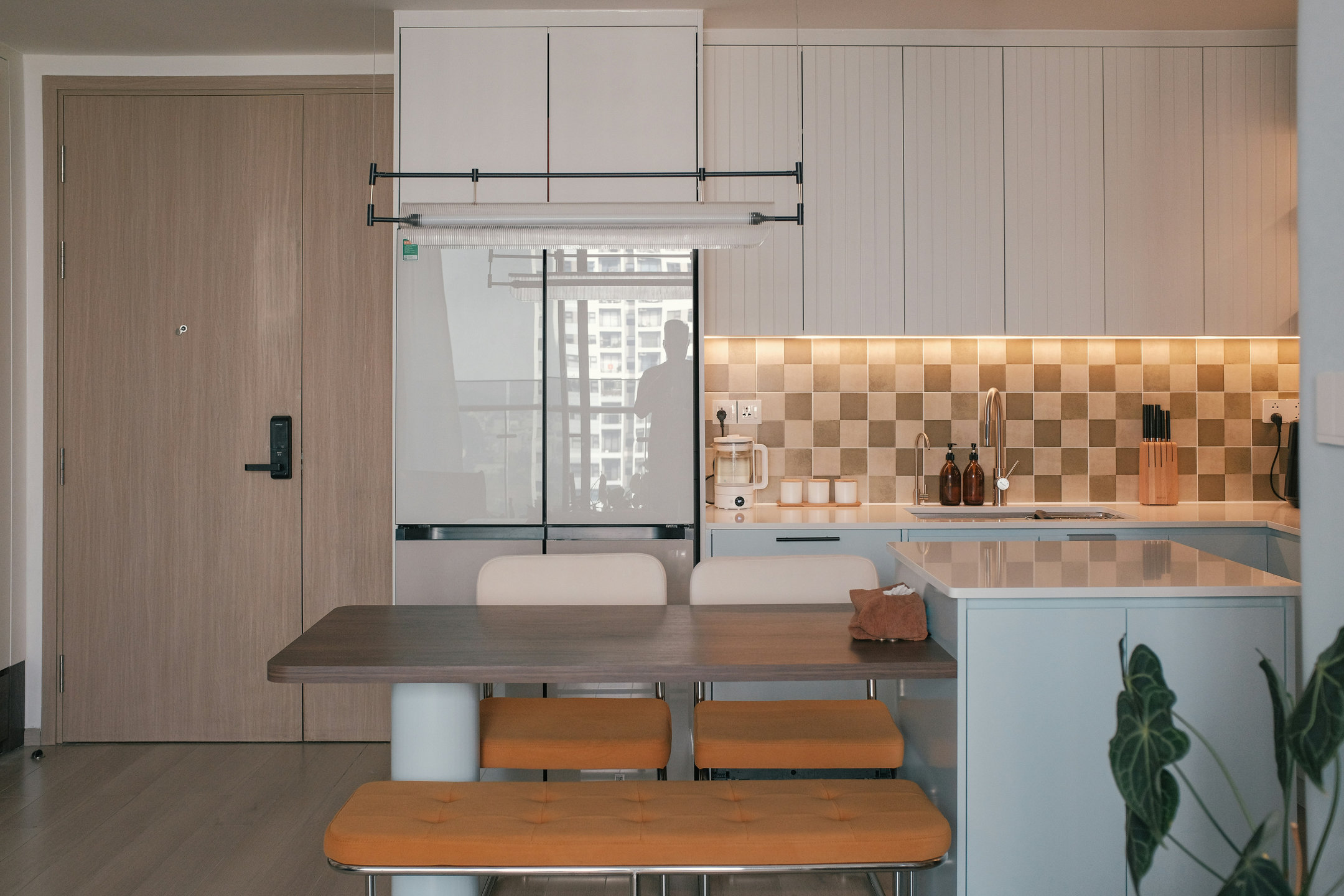
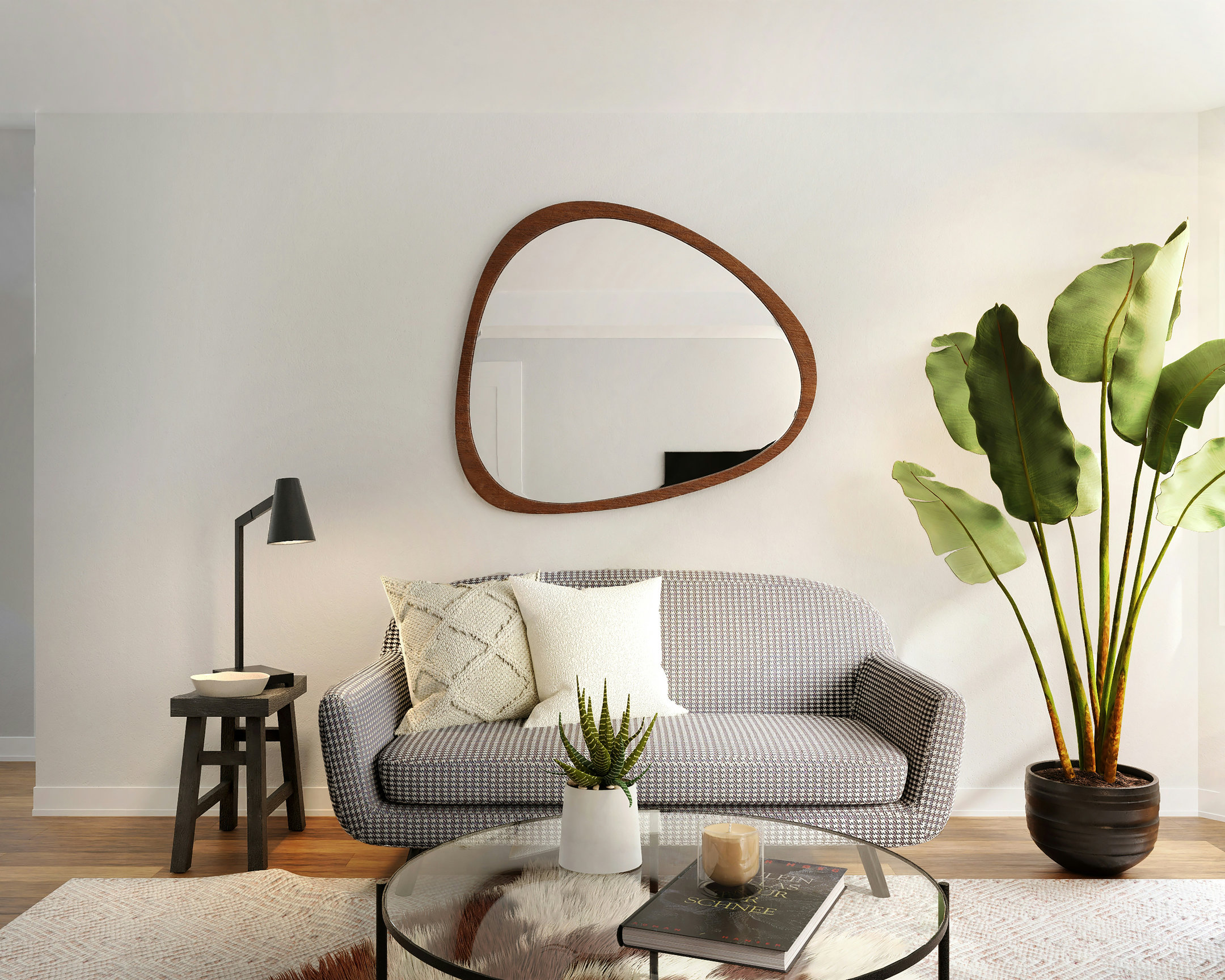
4. Curves and softer forms
Rounded furniture, arched details, and gently sculptural pieces are replacing sharp lines. In compact spaces, curves help interiors feel more fluid and relaxed.
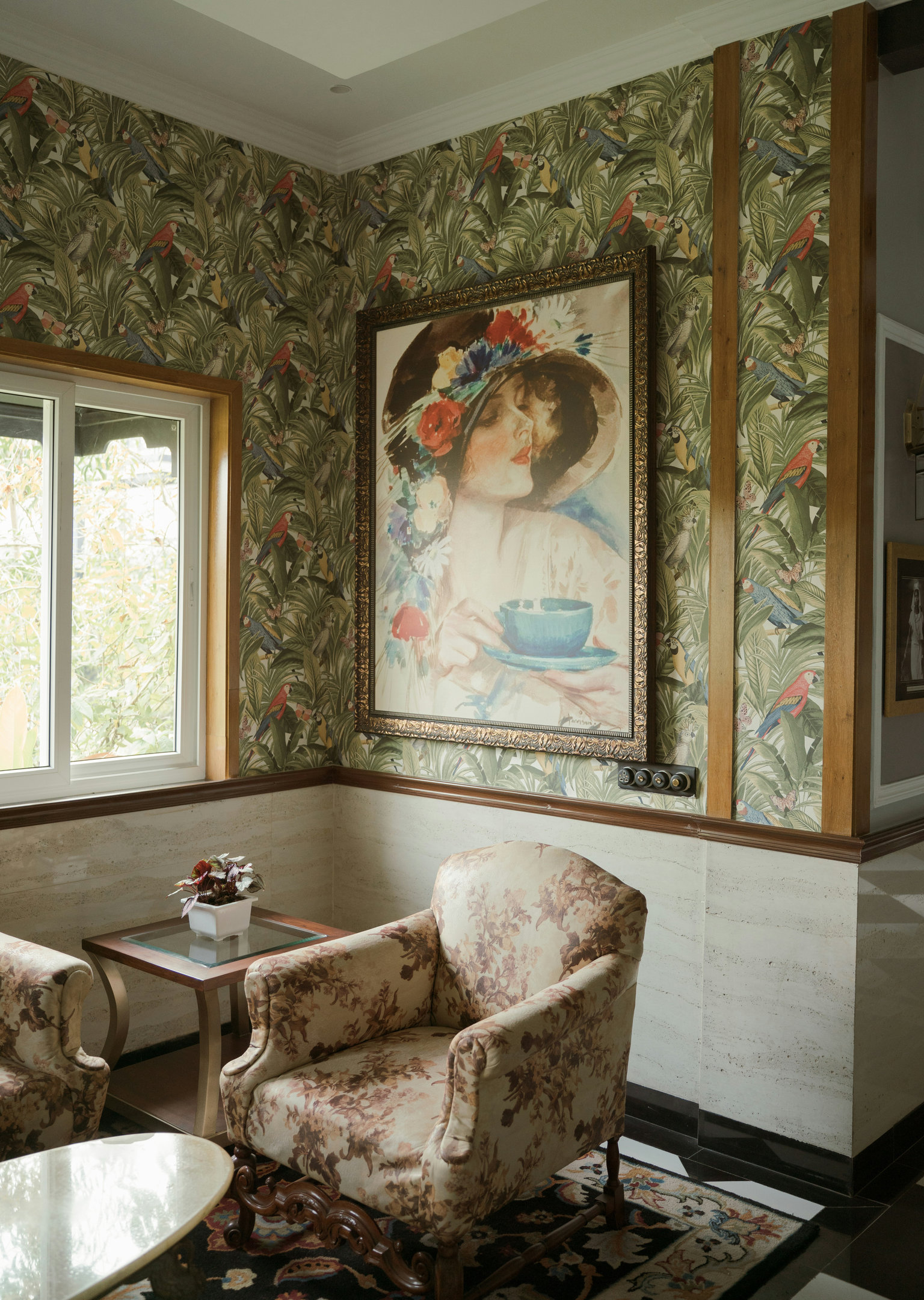
5. Spaces that feel personal, not perfect
Perhaps the biggest shift of all: homes that reflect the people living in them. Vintage pieces, meaningful artwork, and collected objects are being embraced over matchy-matchy interiors designed purely for resale photos.
For more lifestyle articles and apartments, click here.
Header image source.
Share this article
Sign up for new article alerts
Receive every new listing in your inbox