

Filters
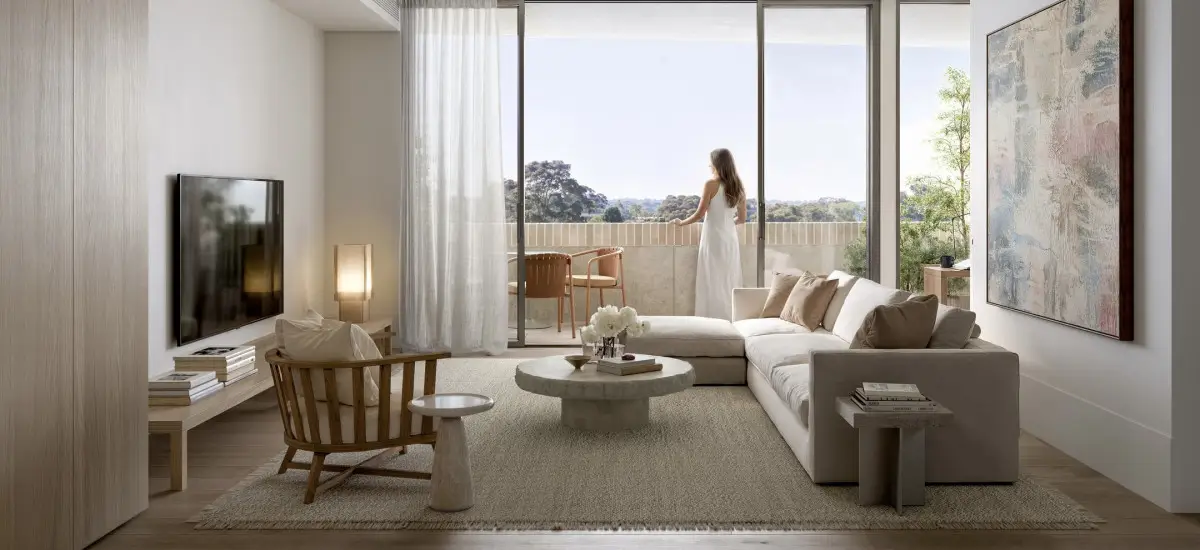
Choosing a rug can be difficult. There's a lot to consider, from colour and size to texture and shape. A rug is also an investment, something that’s going to last long-term and reflect your room, its function, and your existing decor.
But don’t panic! To best choose your perfect rug, all you have to do is narrow down your thoughts to a few factors.
The room
Different rugs suit different areas. For example, kitchens and hallways have more footfall than the bedroom, so it’s best to choose a rug that’s hardwearing and easy to clean. This one from AURugs is perfect for those areas that have plenty of use.

You can apply this rule to the living room, but you might want to make a statement — something that contrasts against the rest of your furniture. This Palazzo rug can offer the best of both worlds. It brings a splash of colour into the living room, while its durability will mean you won’t be shopping for a new one any time soon.
Your bedroom is a place where comfort is king — and this should be no different when choosing a rug for it. A fluffy white cloud to compensate for a cold floor is ideal for those cold winter mornings.

Size
Always measure your space before you buy, but knowing the number is just the start. The real question is how the rug relates to your furniture, and that changes room by room.
The team at Trends Rugs have put together a handy room-by-room sizing guide for Australian homes, and here's what they recommend:
Living room: Aim for a rug large enough that the front legs of your sofa and armchairs can rest on it. This anchors the seating area and stops the room feeling like a collection of unrelated pieces. For most Australian living rooms, a 200x290cm rug works well in a smaller space, stepping up to 240x330cm or 280x380cm for larger, open-plan layouts. The "floating rug" look — a small rug marooned in the middle of the room, touching nothing — is the most common sizing mistake and the easiest to avoid.
Bedroom: The goal is warm feet when you get out of bed. A rug that extends at least 50cm beyond the sides of your bed does the job well — for a queen, that's typically a 240x330cm; for a king, 280x380cm or 300x400cm. If you'd rather not go wall-to-wall, a runner on either side of the bed is a simpler, equally effective option.
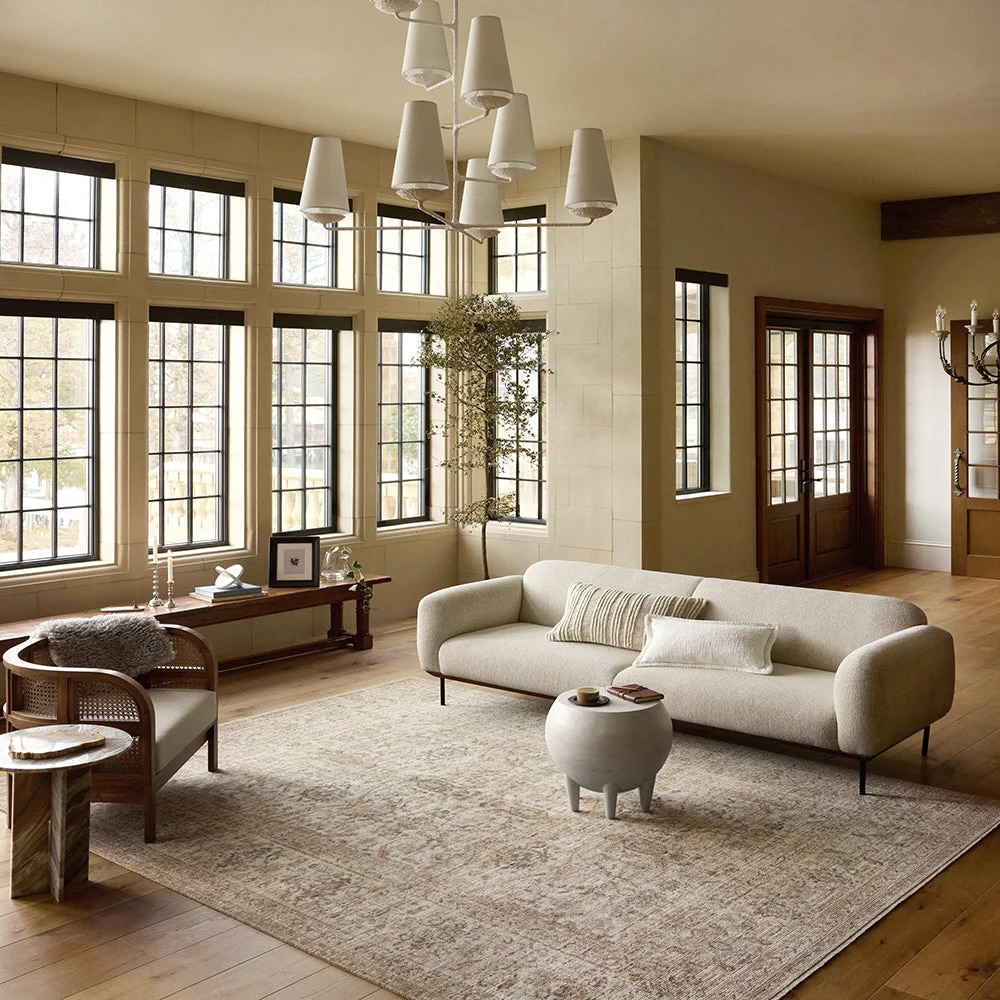
Dining room: The rule here is straightforward, your rug needs to be large enough that dining chairs stay on it even when pulled out from the table. In practice, that means extending around 60-70cm beyond your table on all sides. A four-seater table generally suits a 160x230cm rug; six seats, 200x290cm; eight or more, 240x330cm.
Hallway: Runners in the 80x300cm or 80x400cm range work for most corridors. The key is leaving a consistent gap of around 10-15cm on each side so the floor acts as a natural border.
When in doubt, go bigger. A rug that's slightly too large reads as intentional. A rug that's slightly too small just looks like you ran out of budget.
Shape
You’re not bound to a standard rectangle. Feel free to branch out to different shapes that might fit your space better. For example, if you have a circular dining table, you may want a larger circular rug to sit underneath it. This Marc Jute Round Rug is not only durable but a perfect complement to a small eating area.

Style
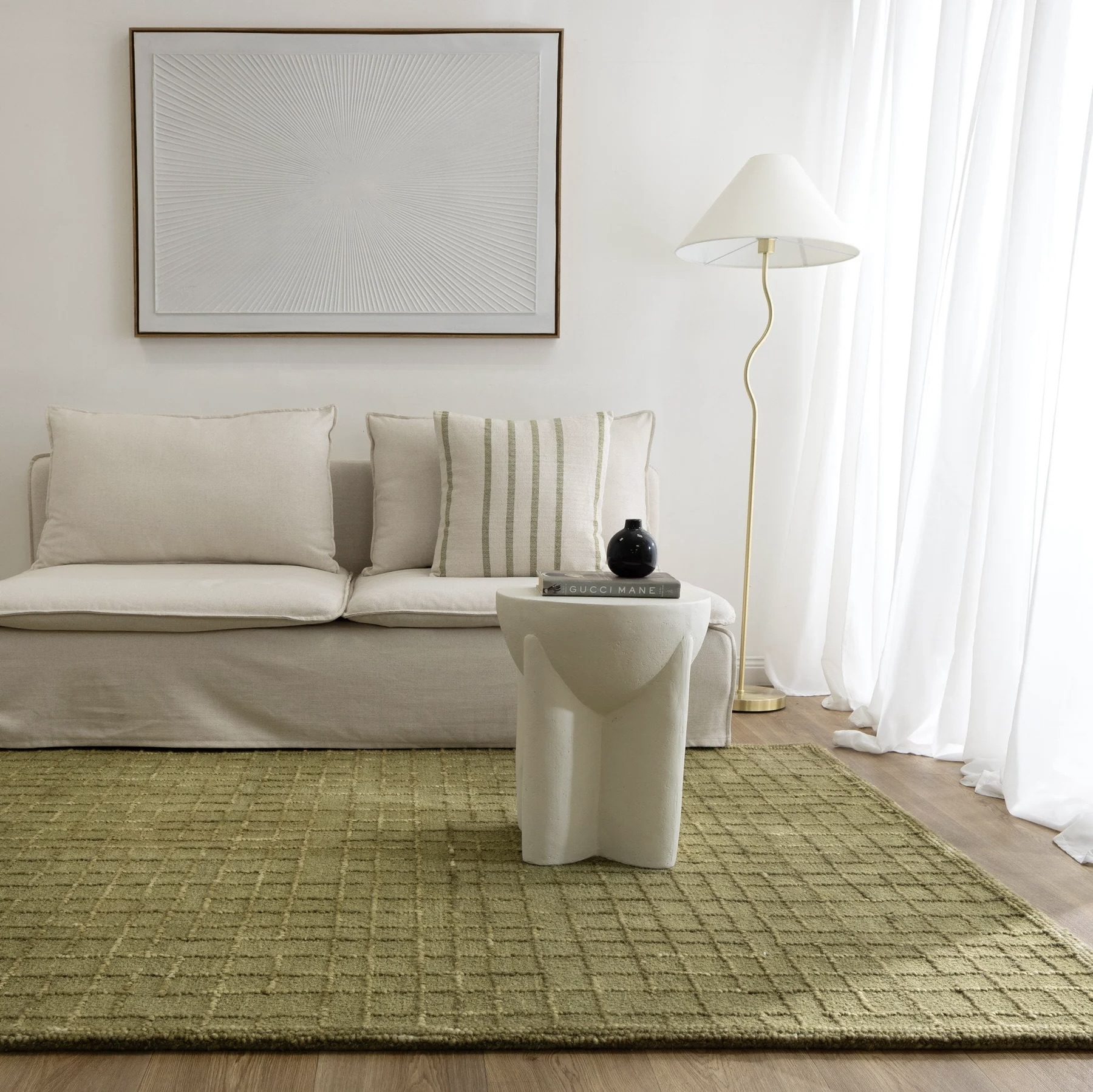
What do you want your rug to do? Do you want it to blend in or be a statement piece? A rug is a good (and easy) way to add a pop of colour to a room.
A patterned rug can do just that — adding personality without being too bold. You can then also have a range of colours you can coordinate with the rest of the room.

Material
Some materials are more appropriate than others, depending on location and who you have in your home. If you have children or pets, then a more durable material might be more advisable.
If you have lots of people running around, materials like acrylic, polypropylene, jute, and sisal are the way to go. The latter can be a bit rougher underfoot, whereas polypropylene, like this one from Wayfair, can now be made to feel very soft. However, all are easy to maintain and good for high-traffic areas.
If comfort is something that you desire more, then viscose, cotton, or wool are the materials you’re after. These can also add a bit of luxury to an area, but keep clear of shoes!

Click here for more lifestyle, news, and market insights.
Hero image of Jardin House.
Share this article
Sign up for new article alerts
Receive every new listing in your inbox