

Filters
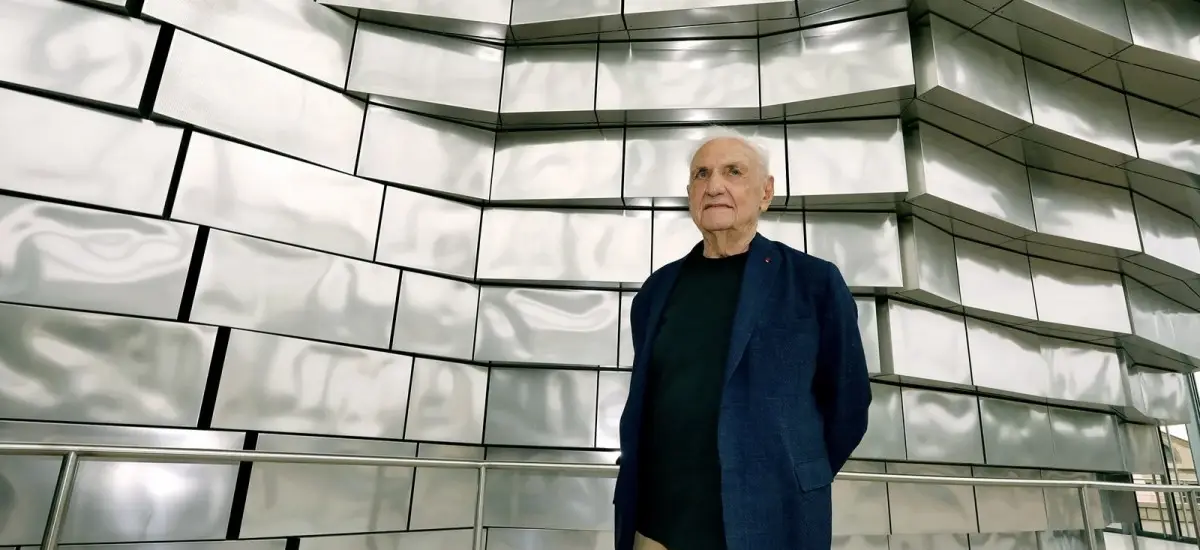
Just last Friday, Canadian-American architect Frank Gehry passed away at the age of 96, leaving behind an architectural legacy defined by complex, dynamic forms and rule-breaking experimentation. Widely considered one of the most influential architects of the late 20th century, Gehry’s work sparked both acclaim and controversy, often at the same time, but never indifference.
Designer of the now-famous “paper bag” Dr Chau Chak Wing Building at the University of Technology Sydney, Gehry’s portfolio spans icons such as the Walt Disney Concert Hall in Los Angeles, the Guggenheim Bilbao in Spain, and residential masterpieces in New York, London, Toronto, and Hong Kong.
Born in Toronto in 1929, Gehry moved to Los Angeles to study architecture at the University of Southern California. After graduating in 1954, he established Gehry Partners, LLP in 1962, the firm through which he developed his singular vision. Early experiments like his Easy Edges cardboard furniture series placed him in the public eye, while projects such as the Vitra Design Museum in Germany cemented his rising international reputation.
Though known for changing and breaking the rules, his work transformed architecture into a dynamic art form. His accolades reflect this impact: the 1989 Pritzker Architecture Prize, the National Medal of Arts from President Bill Clinton in 1998, and the Presidential Medal of Freedom from President Barack Obama in 2014.
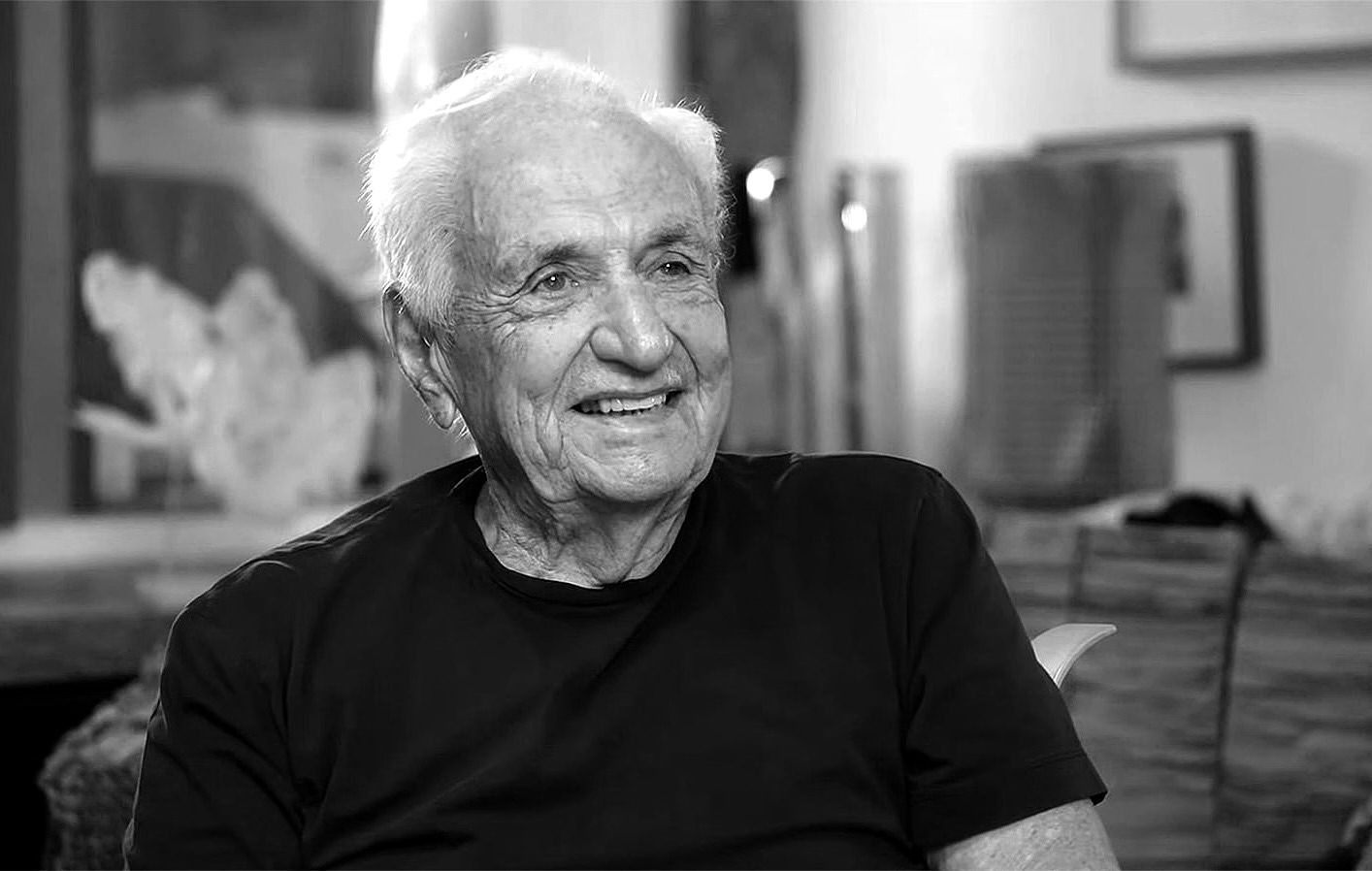
In honour of his passing and his undeniable influence, here’s a closer look at some of Gehry’s most memorable works, and why anyone living in one of his apartment designs can truly say they have an iconic address.
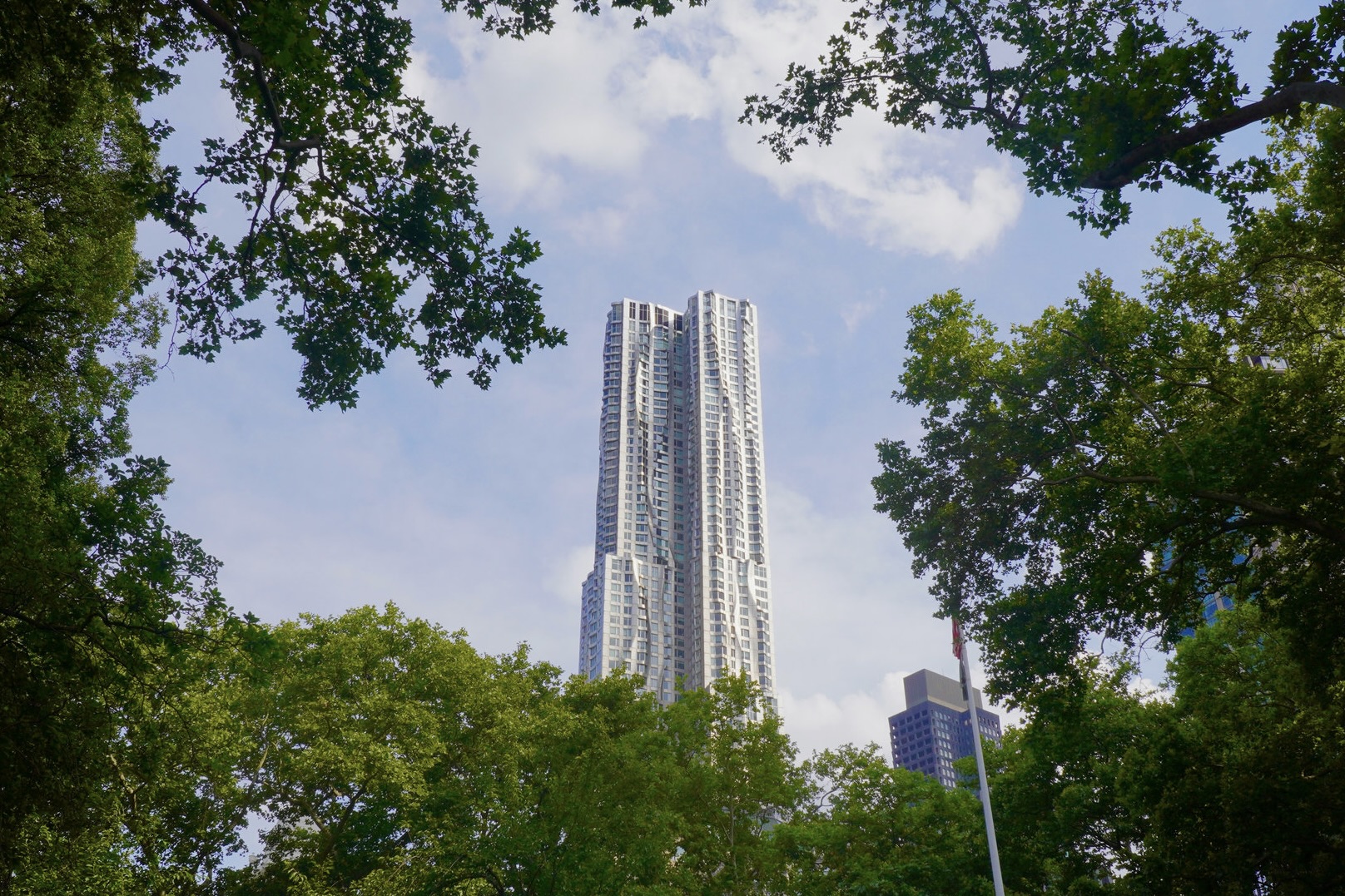
8 Spruce Street, New York City
Gehry’s first skyscraper in New York, 8 Spruce Street (formerly Beekman Tower), ripples with a fluid, stainless-steel façade that shifts with the light throughout the day. Standing 870 feet tall, the tower created 903 apartments shaped by its sculptural folds, offering bay windows and sweeping views conjured from the building’s undulating skin.
The New Yorker once hailed it as “one of the most beautiful towers downtown,” and its impact on the city’s skyline remains unmistakable.
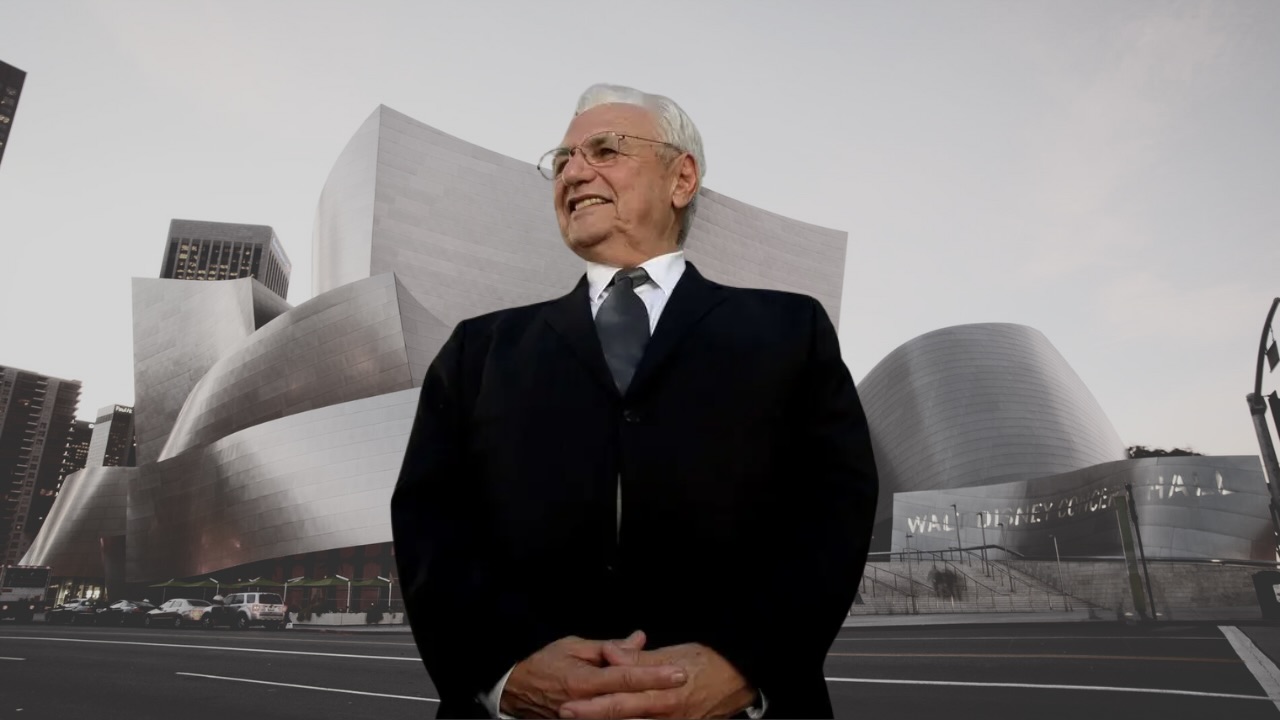
Walt Disney Concert Hall, Los Angeles
Perhaps one of Gehry’s most recognised works, the Walt Disney Concert Hall embodies his signature deconstructivist language through sweeping stainless-steel sails. Completed in 2003 after years of anticipation, the building has become a cultural symbol of Los Angeles, both celebrated and critiqued for its expressive form. Its reflective, sculptural exterior, likened even to “a fortune cookie gone berserk,” set a new precedent for how a civic building could look and feel.
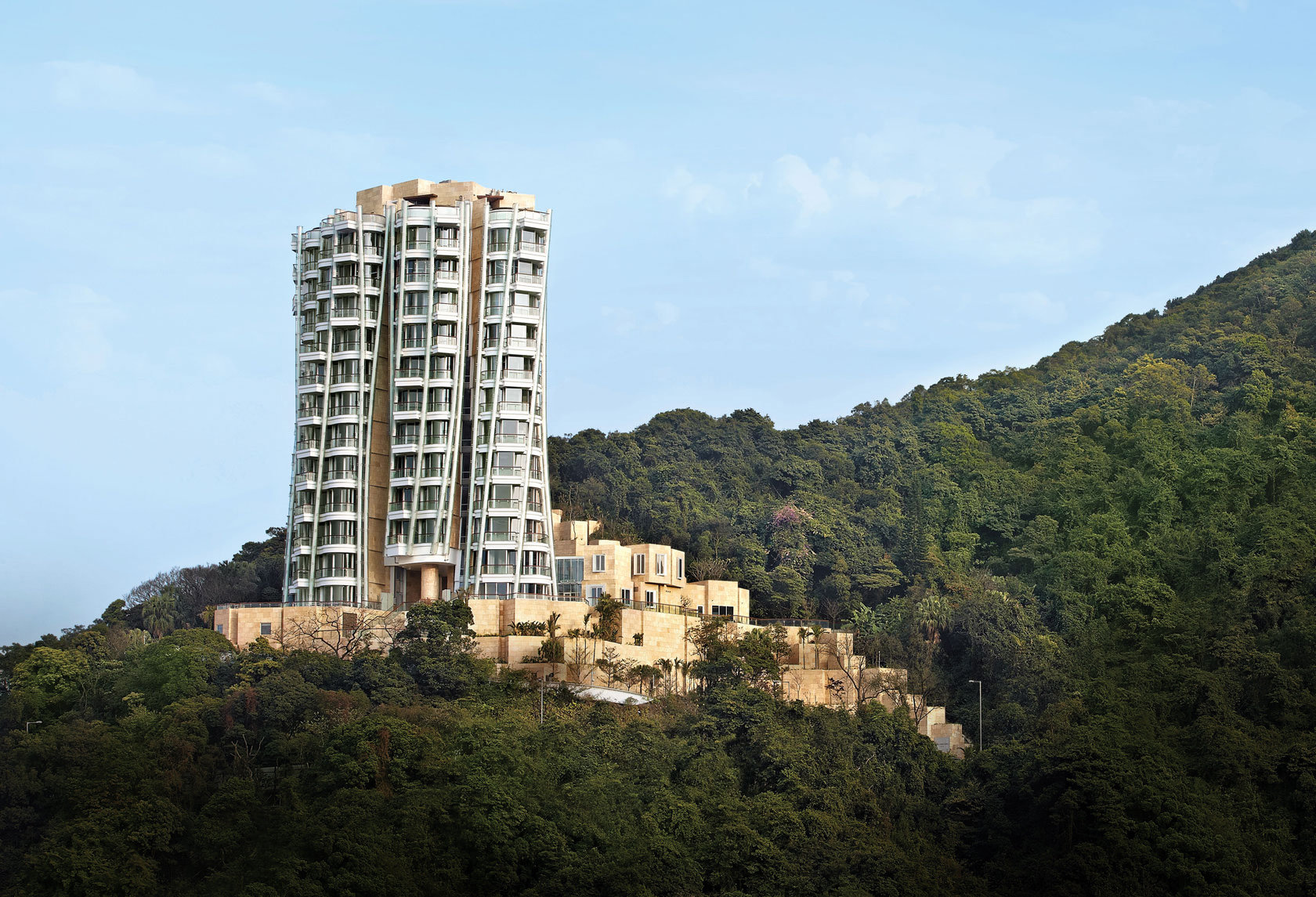
Opus, Hong Kong
His first residential project in Asia, the Opus Hong Kong presents a twisting, glass-wrapped form perched on the hillside of Mid-Levels East. Each residence occupies its own floor, allowing uninterrupted views over Victoria Harbour. Its design references Gehry’s fascination with movement, with the building appearing to rotate gently as it rises, while its transparency contrasts with Hong Kong’s dense, vertical skyline.
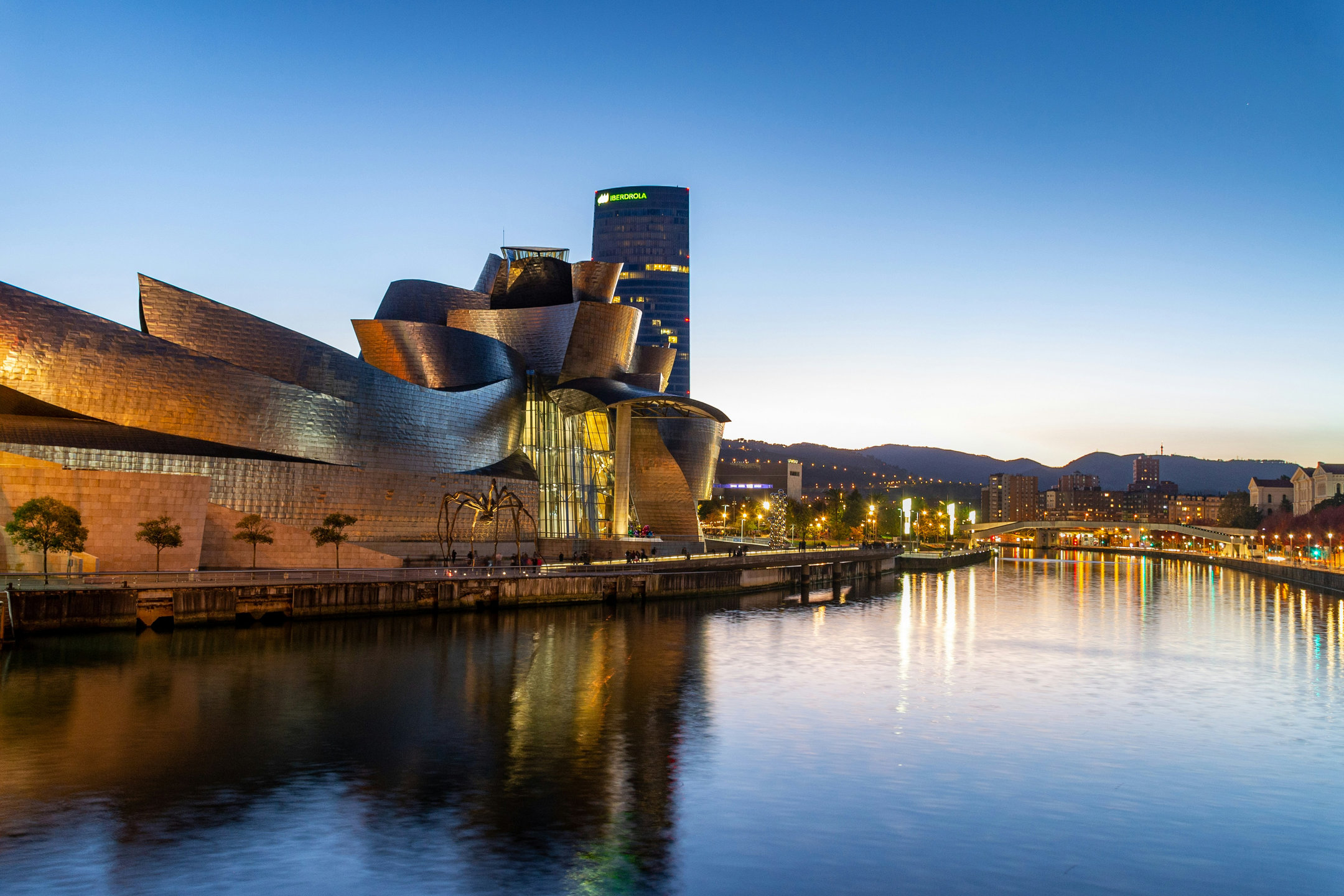
Guggenheim Museum Bilbao, Spain
Considered one of the most transformative architectural works of the modern era, the Guggenheim Bilbao is often credited with revitalising the Spanish city itself – a phenomenon now known as the “Bilbao effect.”
Completed in 1997, the museum’s sweeping titanium forms appear to cascade toward the Nervión River. Though Gehry initially questioned whether he’d gone too far, the building quickly became a global icon and a defining piece of late 20th-century architecture, hailed by architect Philip Johnson as “the greatest building of our time.”
Prospect Place, London
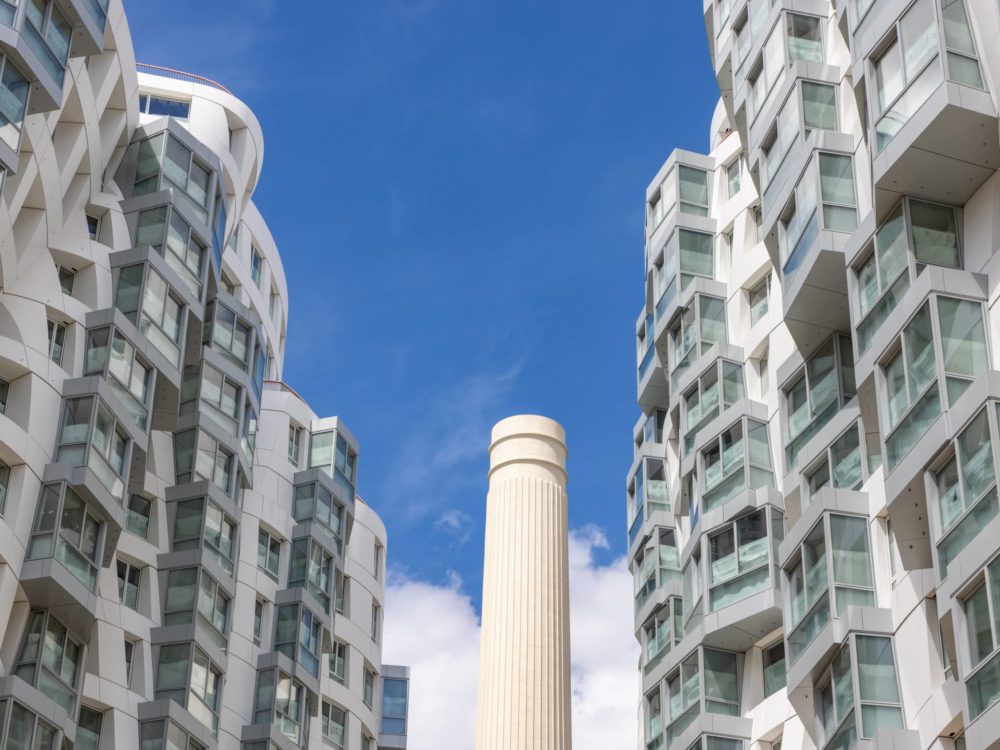
Part of the ambitious Battersea Power Station redevelopment, Prospect Place showcases Gehry’s residential craft in a distinctly London context. The two sculptural buildings feature crisp, rippled white façades that shift subtly with the light, creating an iceberg-like presence beside the historic power station.
Inside, 308 apartments range from studios to penthouses, many with full-height glazing framing the Thames. Gehry described the project as an attempt to create a neighbourhood “connected to the historic fabric of London but with its own identity.”
Forma, Toronto
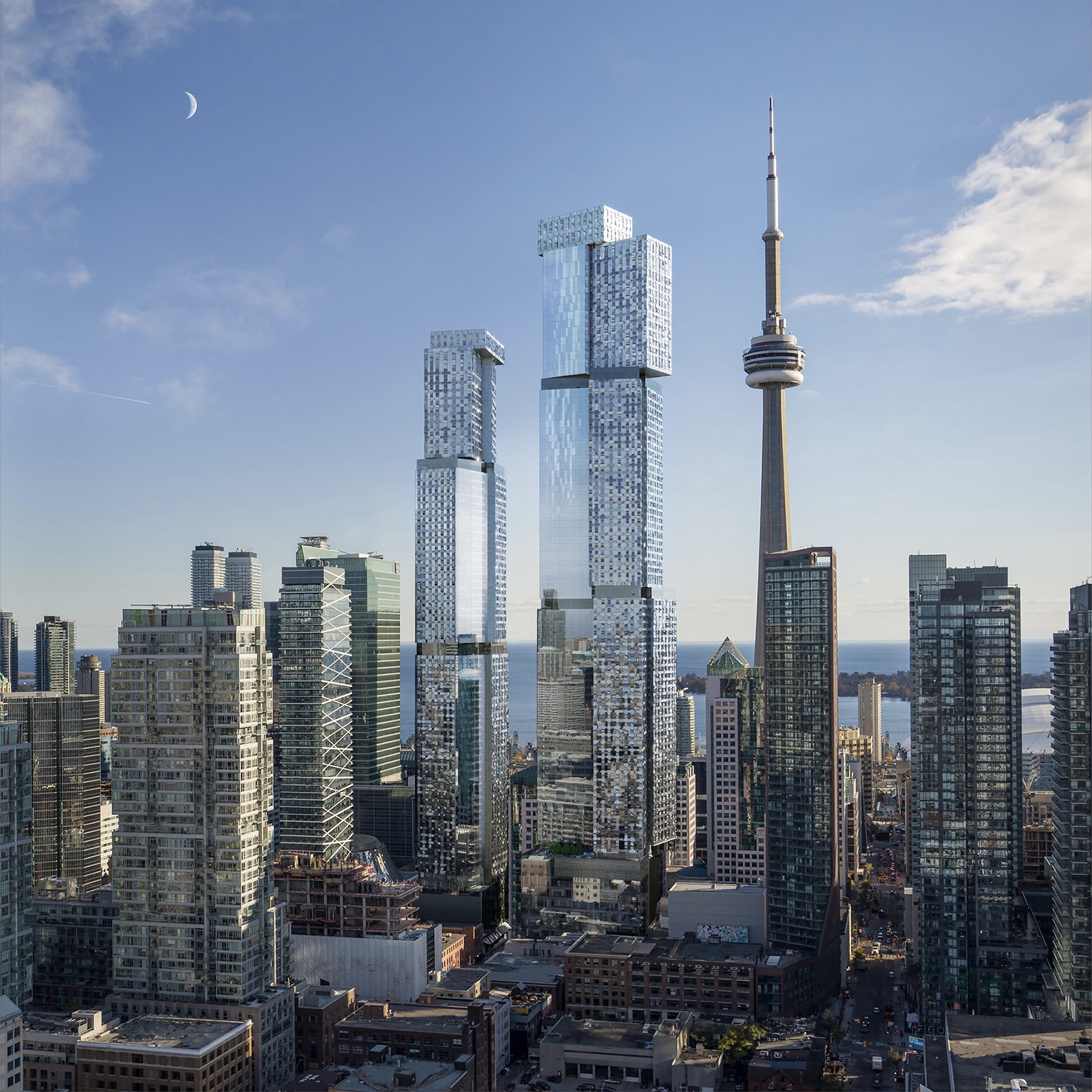
Returning to his hometown, Gehry designed Forma as a pair of shimmering, stacked towers infused with memories of Toronto’s civic landmarks. Their twisting steel-and-glass forms appear to move with the light, creating a dynamic presence on the skyline.
Gehry described the project as weaving the feeling of his childhood in Toronto into its DNA, while the design introduces a sense of motion and play that has become quintessentially Gehry.
University of Technology, Sydney
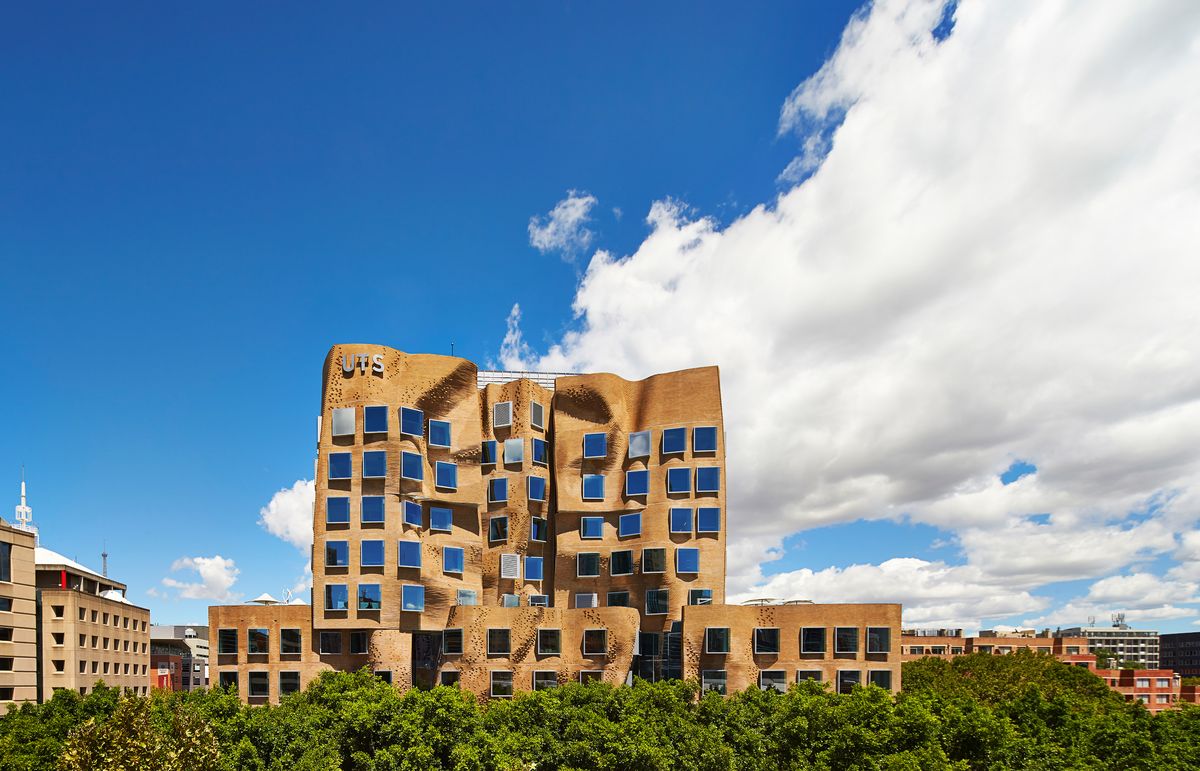
Gehry’s first and only Australian project, the Dr Chau Chak Wing Building in the University of Technology Sydney (UTS) is instantly recognisable for its “crumpled paper bag” brick façade. Completed in 2015, the UTS Business School features 320,000 hand-placed bricks forming a soft, rippling east side, contrasted with a sharply geometric glass façade to the west.
Inside, twisting timber staircases and oval classrooms reflect Gehry’s “treehouse” concept. Sculptural and playful, it remains one of Sydney’s most talked-about contemporary buildings and a rare example of Gehry’s work in Australia.
Gehry Residence, Santa Monica, California
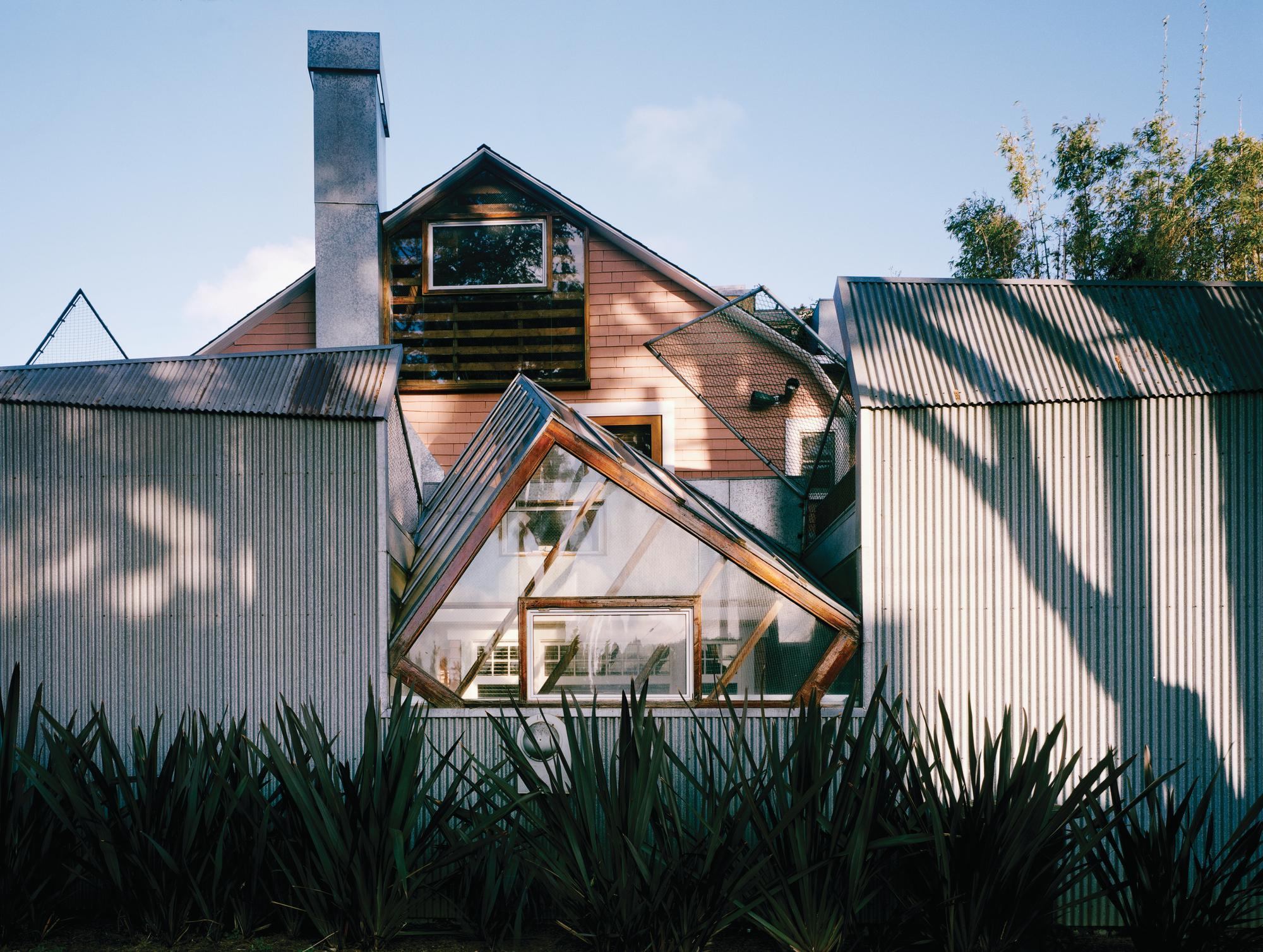
The project that started it all. In 1978, Gehry transformed his ordinary Dutch-colonial home into a deconstructivist landmark using chain-link fencing, corrugated metal, glass, and timber. The result: raw, experimental, and unapologetically unconventional. The residence caught the attention of the architectural world and laid the foundation for an iconic career that followed.
Today, the house remains a mainstay of Los Angeles architecture tours.
For more real estate news and lifestyle, click here.
Header image source. Photographed by Patrick Aventurier.
Share this article
Sign up for new article alerts
Receive every new listing in your inbox