

Filters
From the rise of multigenerational living to homes designed for wellbeing, the way Australians live is changing, and our homes are evolving with it.
James Hardie has again collaborated with leading voices in Australian design to present the James Hardie Modern Homes Forecast, revealing a clear shift towards more personalised, expressive spaces, where design goes beyond functionality to support everyday life.
This third edition reveals the key trends already influencing the future of Australian architecture and showcases eight modern home design styles shaping Australia’s residential landscape.
To accurately portray attitudes towards homes, James Hardie commissioned world-leading consumer trend forecaster, WGSN, to undertake a comprehensive research study and combined the results with first-hand insights from Milan Design Week.
The research reveals a move beyond homes designed purely for functionality, toward spaces that ignite joy, celebrate individuality, and actively support wellbeing.
To translate the research into practical, real‑world inspiration, the James Hardie Modern Homes Forecast is supported by eight new design handbooks that bring each home style to life. Co‑developed with experts including interior design expert Neale Whitaker, WGSN Trend Specialist Jenny Li, and architect Justin Logan, these guides provide clear direction on materials and textures, colour palettes and paint suggestions, floorplans, styling approaches, and even landscaping.
These comprehensive resources aim to equip Australians with the information they need to practically create homes that feel authentic and uniquely their own.
Interior design expert Neale Whitaker shared: “The findings in James Hardie Modern Homes Forecast 2026 reflect the evolution of what Australians desire in a home: design as a living, breathing expression of creativity, comfort, and care.
“Wherever we choose to live, from coast to country, city to suburb, our homes are no longer just shelters from the storm.
“They are the canvas for our creativity, the architecture of our wellbeing, and the quiet backdrop to the lives we build.”
Adele Gordon, marketing director for James Hardie APAC, noted, “The James Hardie Modern Homes Forecast for 2026 is a clear reflection of how far we’ve come as a design leader, and a powerful reminder of why we do this work.
“It demonstrates our deep understanding of what Australians genuinely value in their homes, and highlights the meaningful ways we’re shaping the next chapter of Australian home design.
“At its heart, this Forecast reinforces the principles that guide us – creativity, innovation, and a belief in building a better future for all.
“The insights not only validate our direction; they fuel the momentum behind our commitment to reimagining the Australian home and improving the way people live.”
The four emerging lifestyle themes expressed within the latest home styles include:
Creative Living: Creativity is emerging as a powerful tool for personal agency, not just aesthetics, empowering people to harness technology as an extension of their imagination, with 57% of Australians now using AI to assist with creative tasks. Homes are evolving into expressive sanctuaries, spaces where joy, play, and imagination foster wellbeing and resilience.
Evolved Living: In the face of rising cost-of-living and environmental pressures, the future homeowner is becoming more intentional; prioritising not more, but better-designed spaces that balance intelligence, comfort, and self-reliance.
Multigenerational Living: As affordability challenges grow and households evolve, 30% of ANZ families with parents and children now live in homes with complex family structures. Homes must support co-existence across generations through flexible zoning, inclusive design, and adaptable spaces that balance privacy with connection.
Autonomous Living: Homeowners are increasingly seeking independence, comfort, and calm through self-sufficient, automated, and low-maintenance design that restores balance and wellbeing. With AI already reshaping how we design and construct homes, intelligent systems must balance efficiency with empathy, ensuring that technology enhances human life without overpowering.
James Hardie Modern Homes Forecast 2026
To showcase how the four lifestyle themes translate into real‑world design, the Modern Homes Forecast features a curated set of eight home styles influencing Australian suburbs:
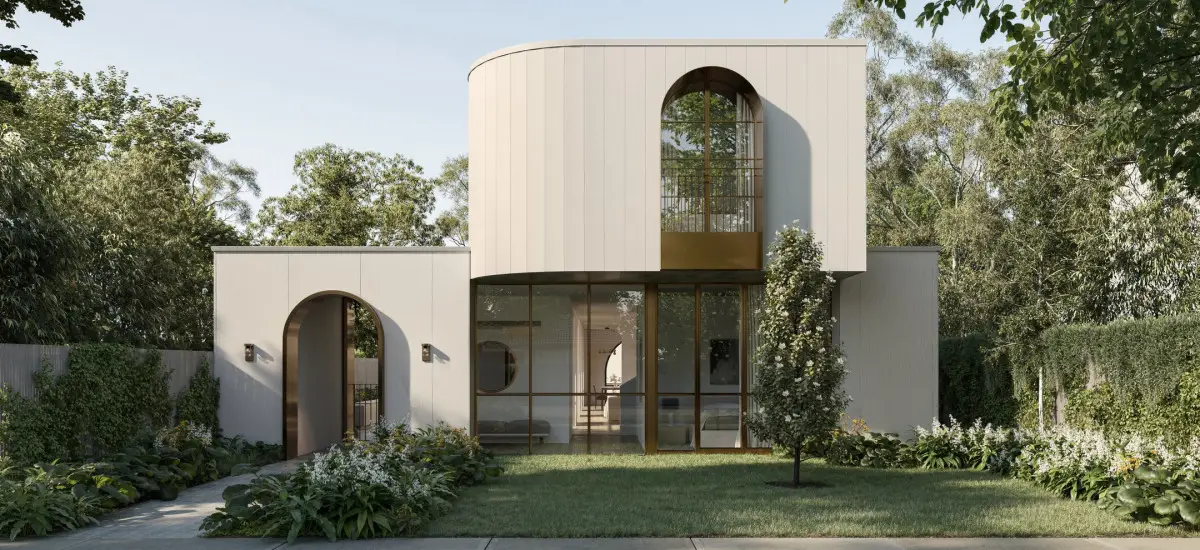
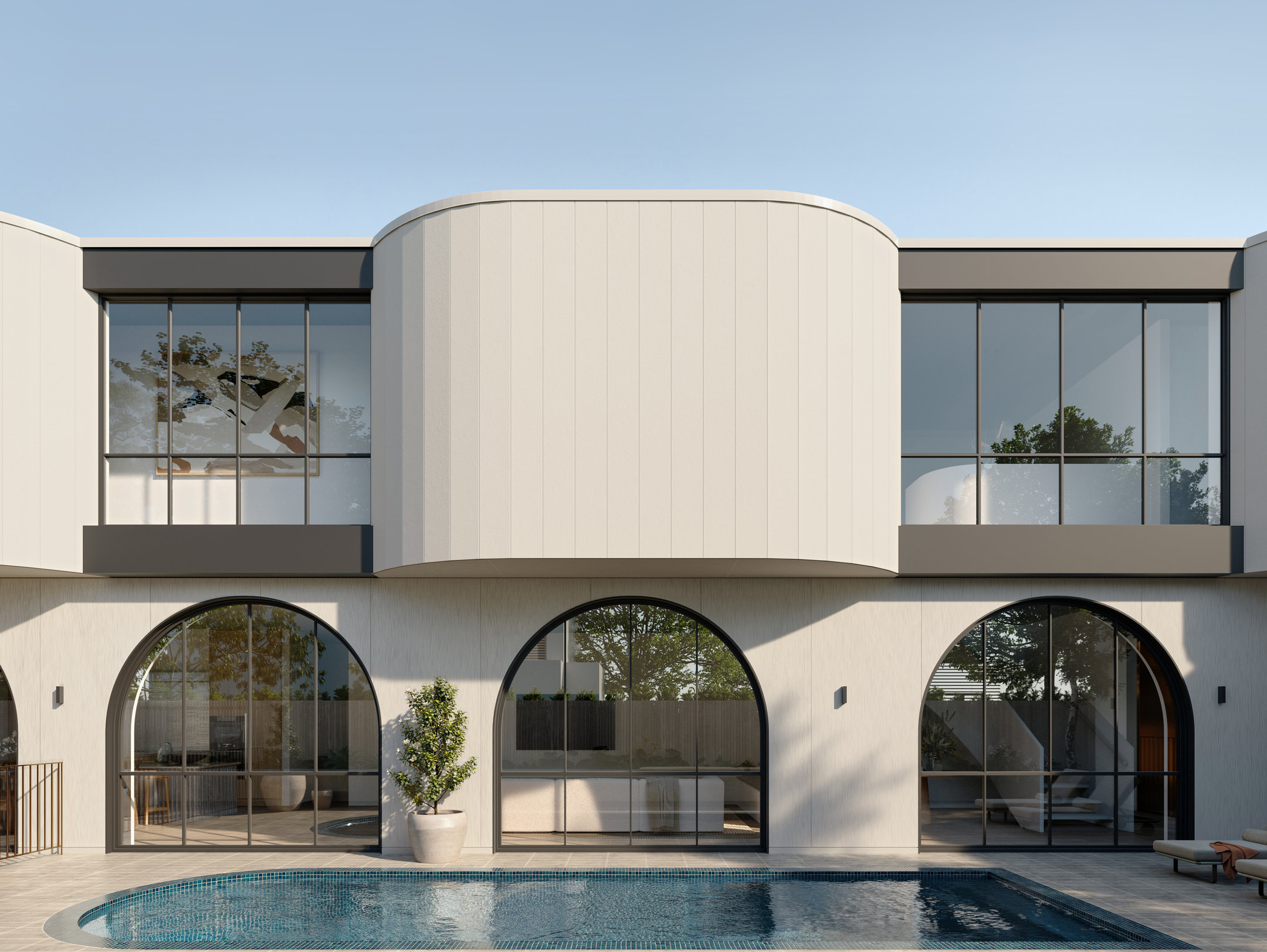
1. Modern Classical: Home design that weaves graceful curves, minimalist outlines, and seamless indoor-outdoor connection.
2. Box Modern: Dynamic and purposeful homes designed for imagination that become a flexible canvas where personal stories, bold ideas, and everyday creativity naturally take shape.
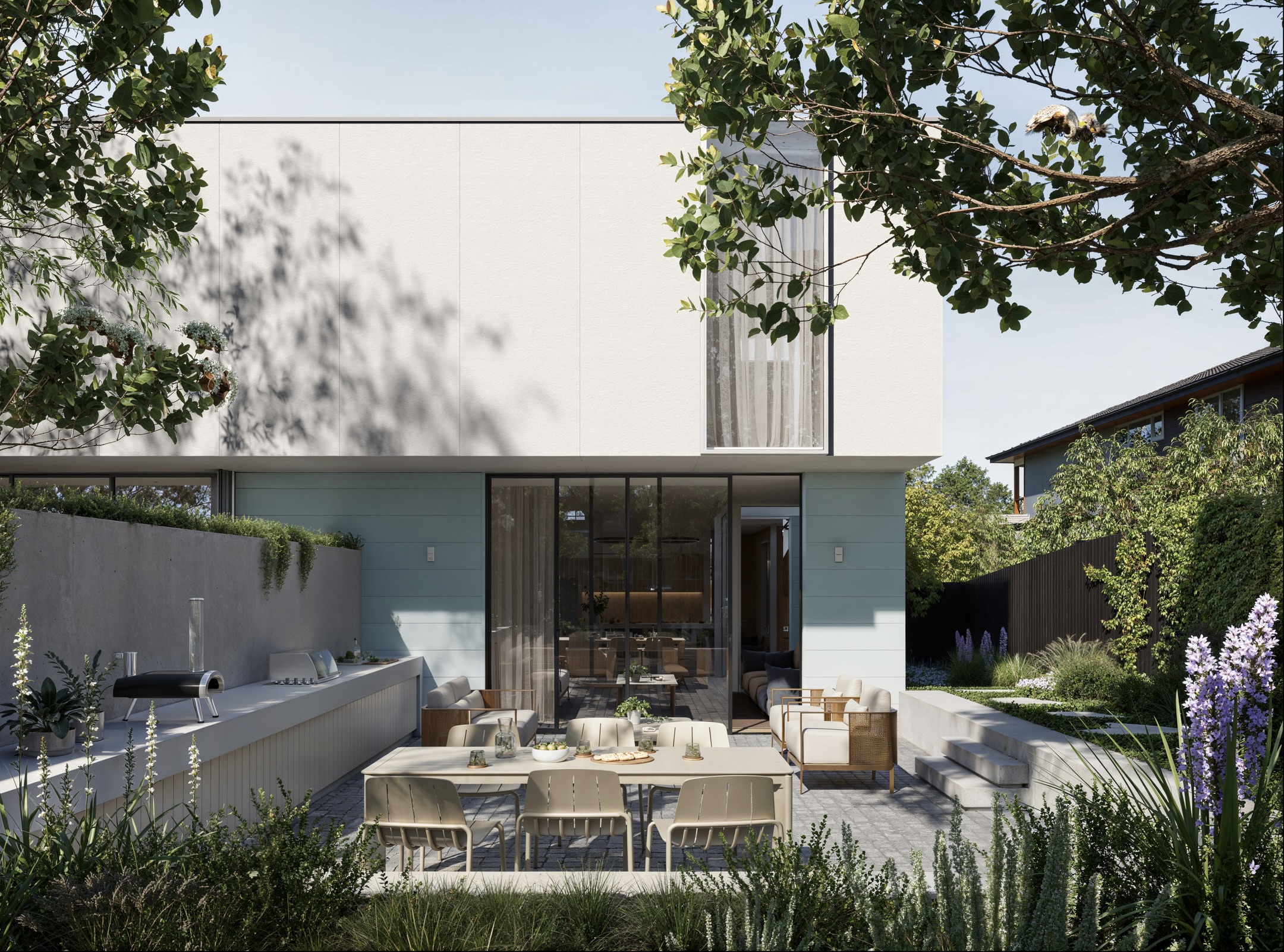
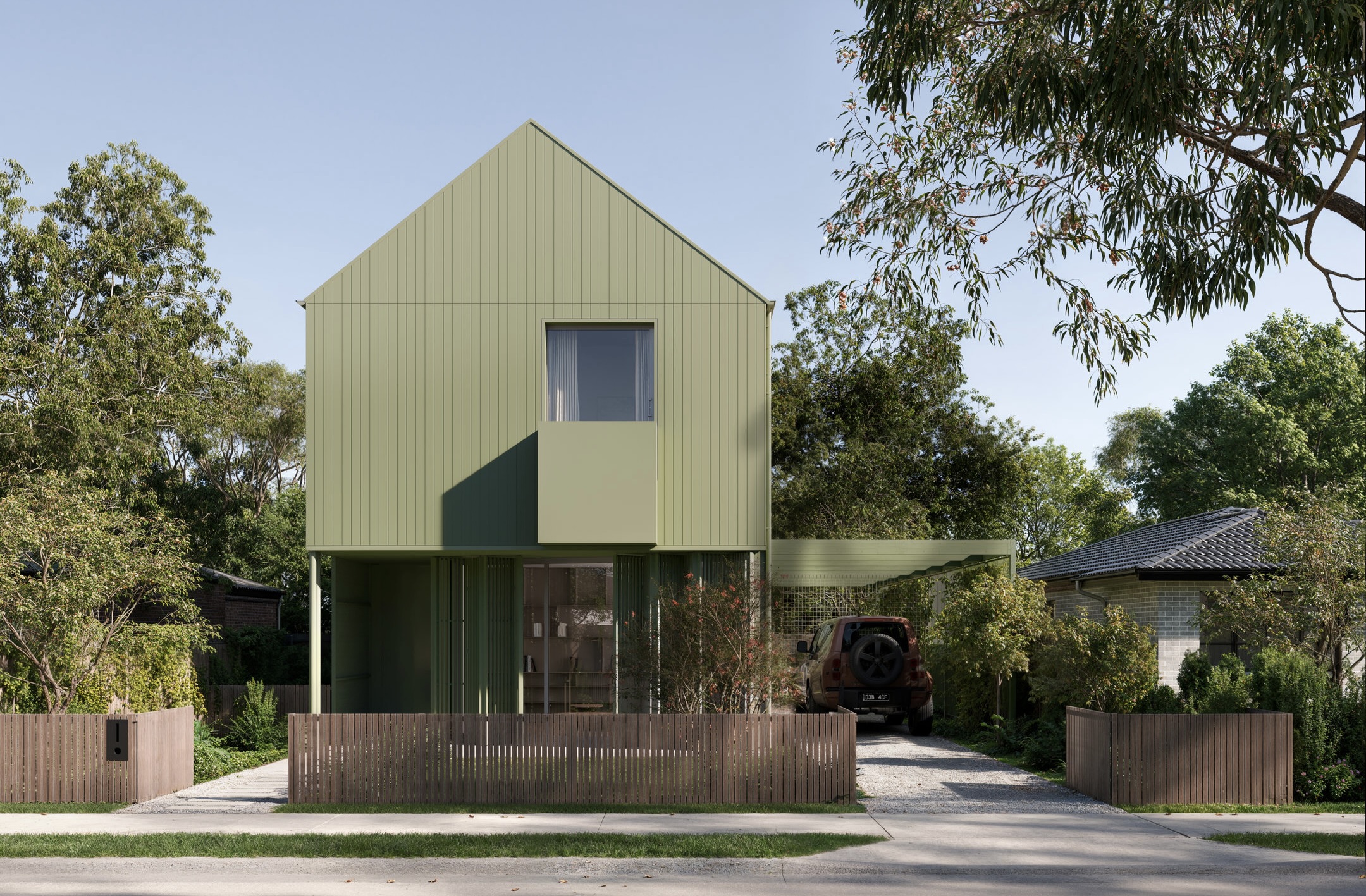
3. Modern Farmhouse: Blends traditional charm with smart, contemporary features that make shared living feel comfortable, flexible, and beautifully balanced.
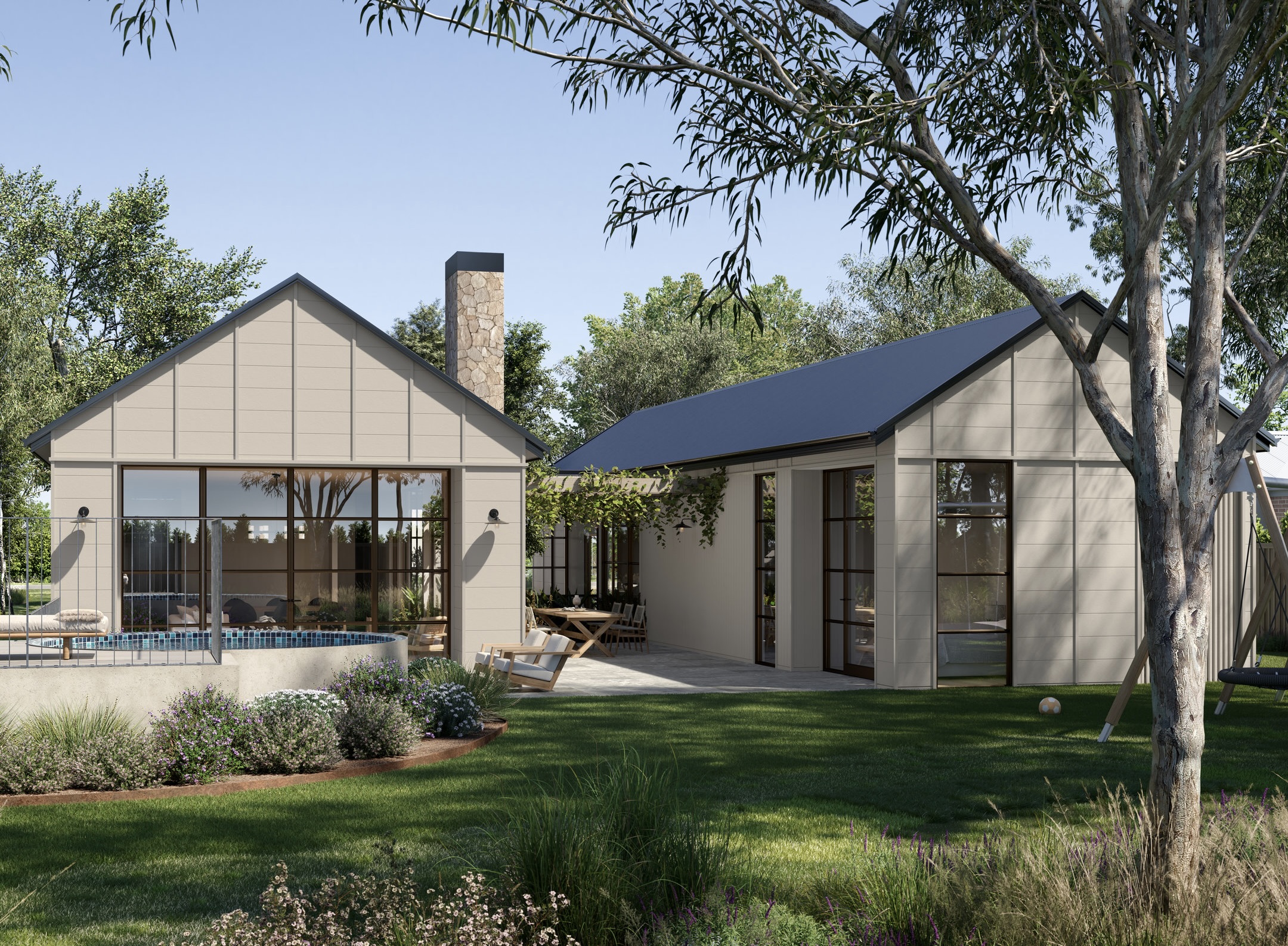
4. Modern Heritage: A progressive design style that integrates old-world charm with modern functionality, layering multi-sensorial detail and bold finishes.
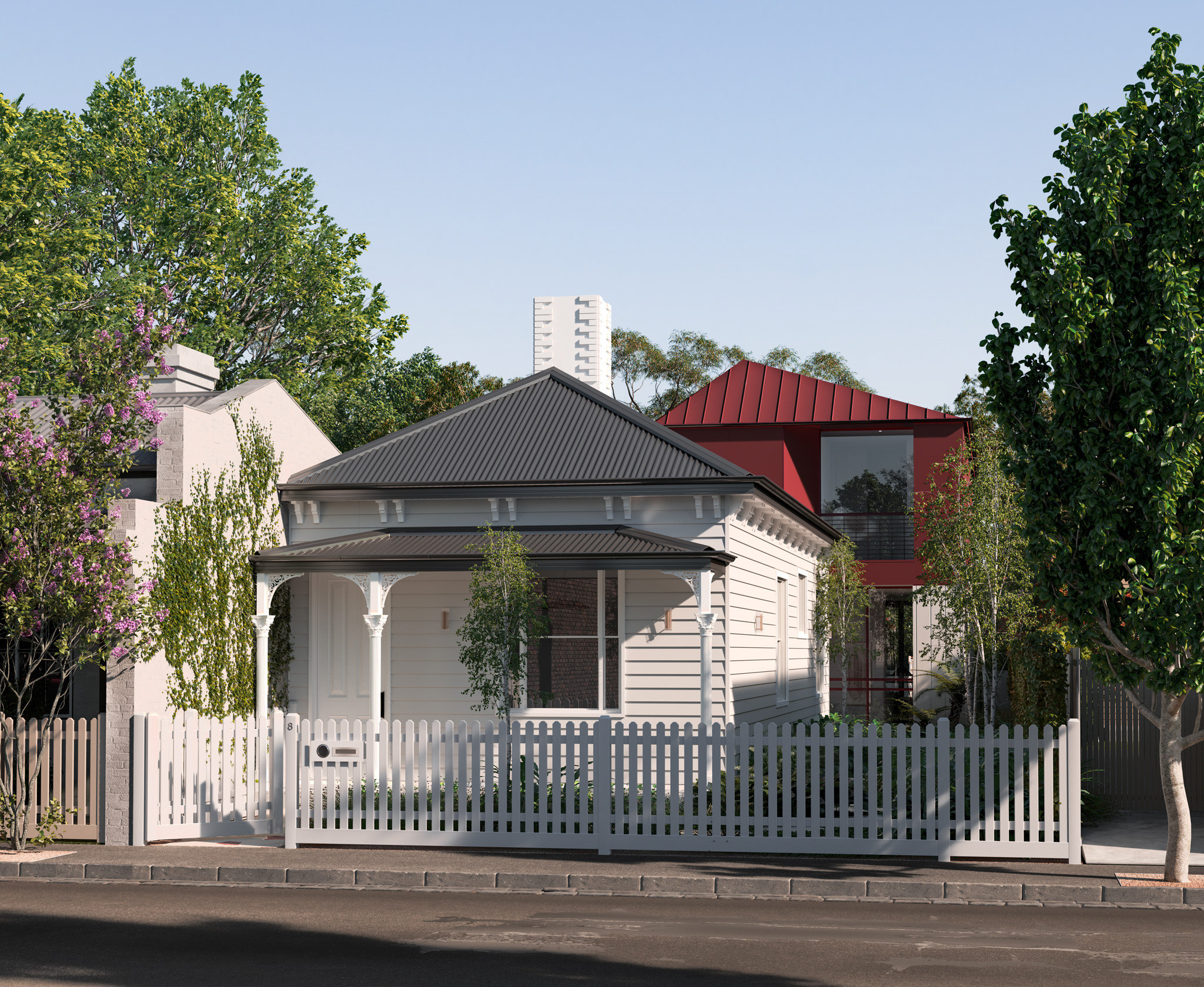
5. Barn: Elevated by intricate details, layered materials, and deep, bold yet comforting tones, this style blends nature in unexpected ways and prioritises autonomy and a restorative home.
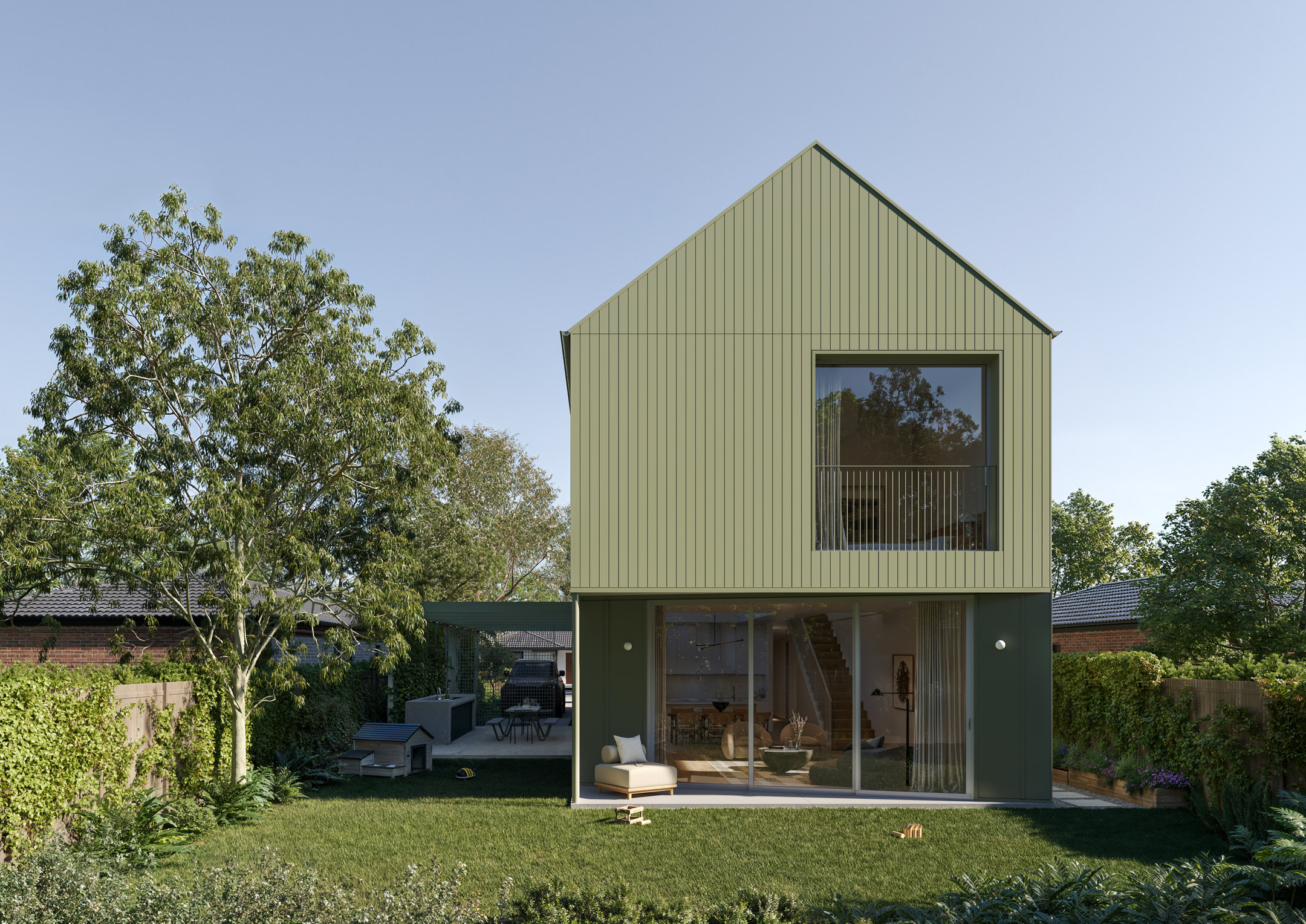
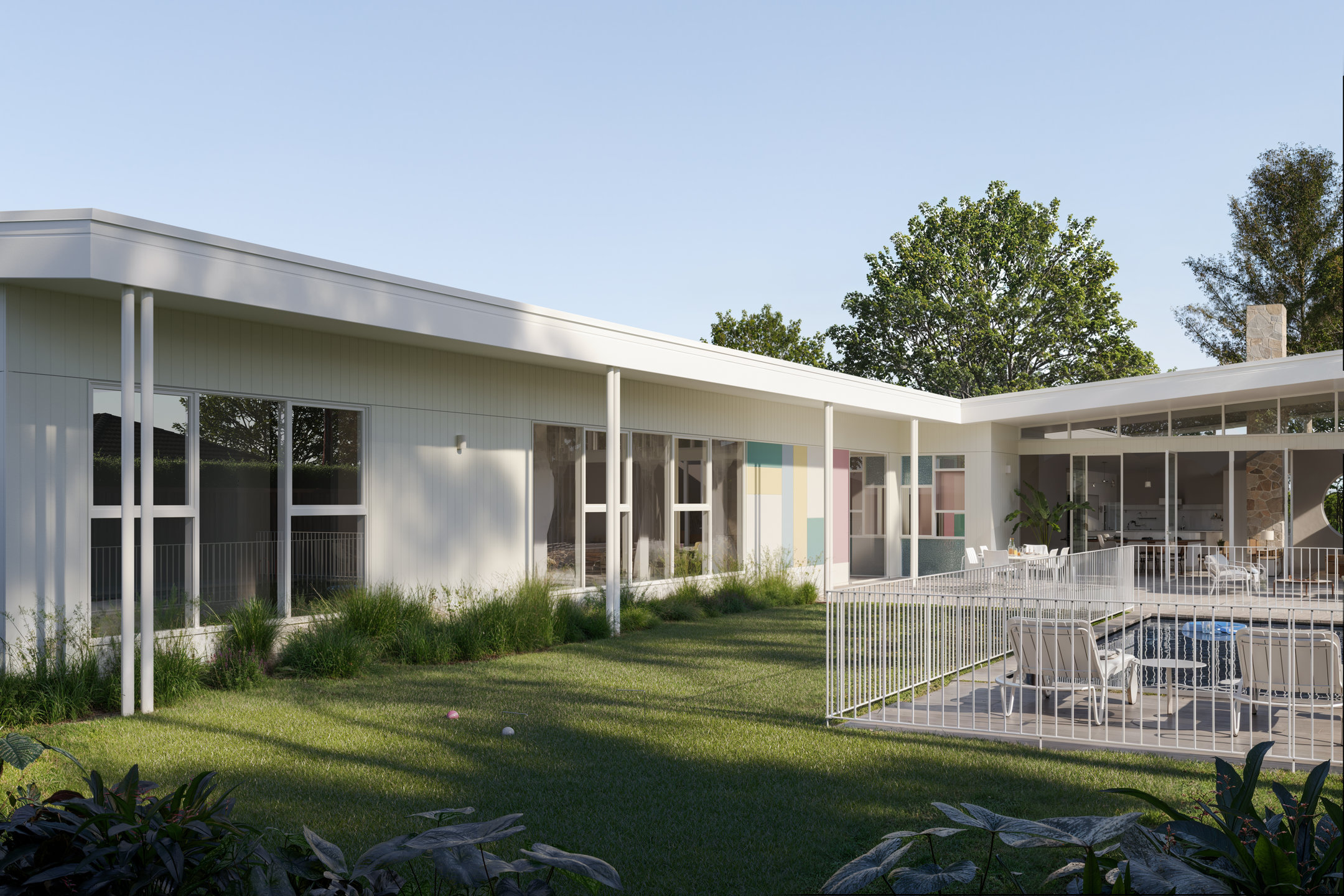
6. Mid-Century Modern: Maturing, evolving from its practical, timeless roots into a more layered and comforting direction. The look is refreshed with high-performance design and joyful maximalism, featuring bright colours, tactile finishes, and expressive geometry.
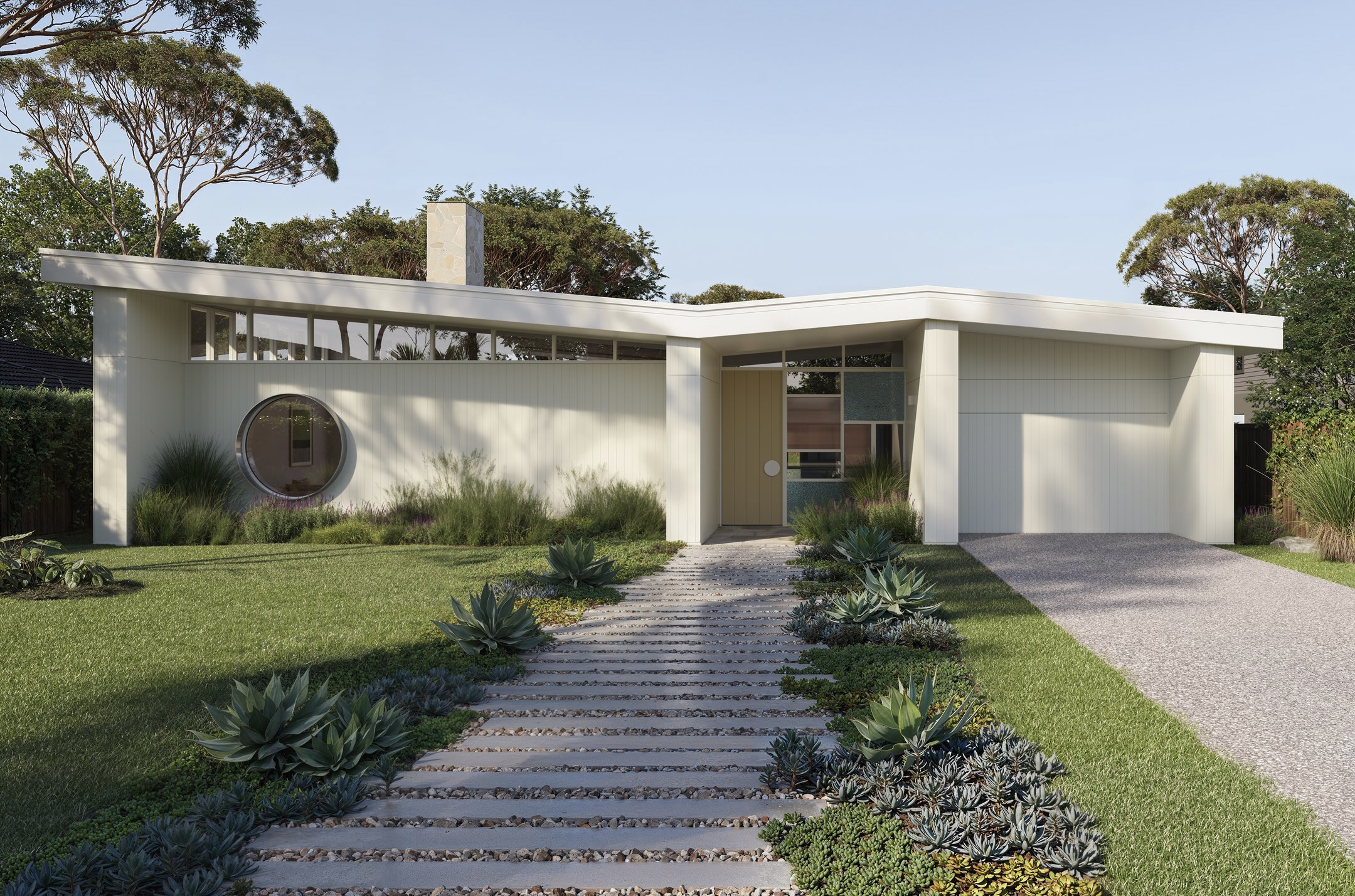
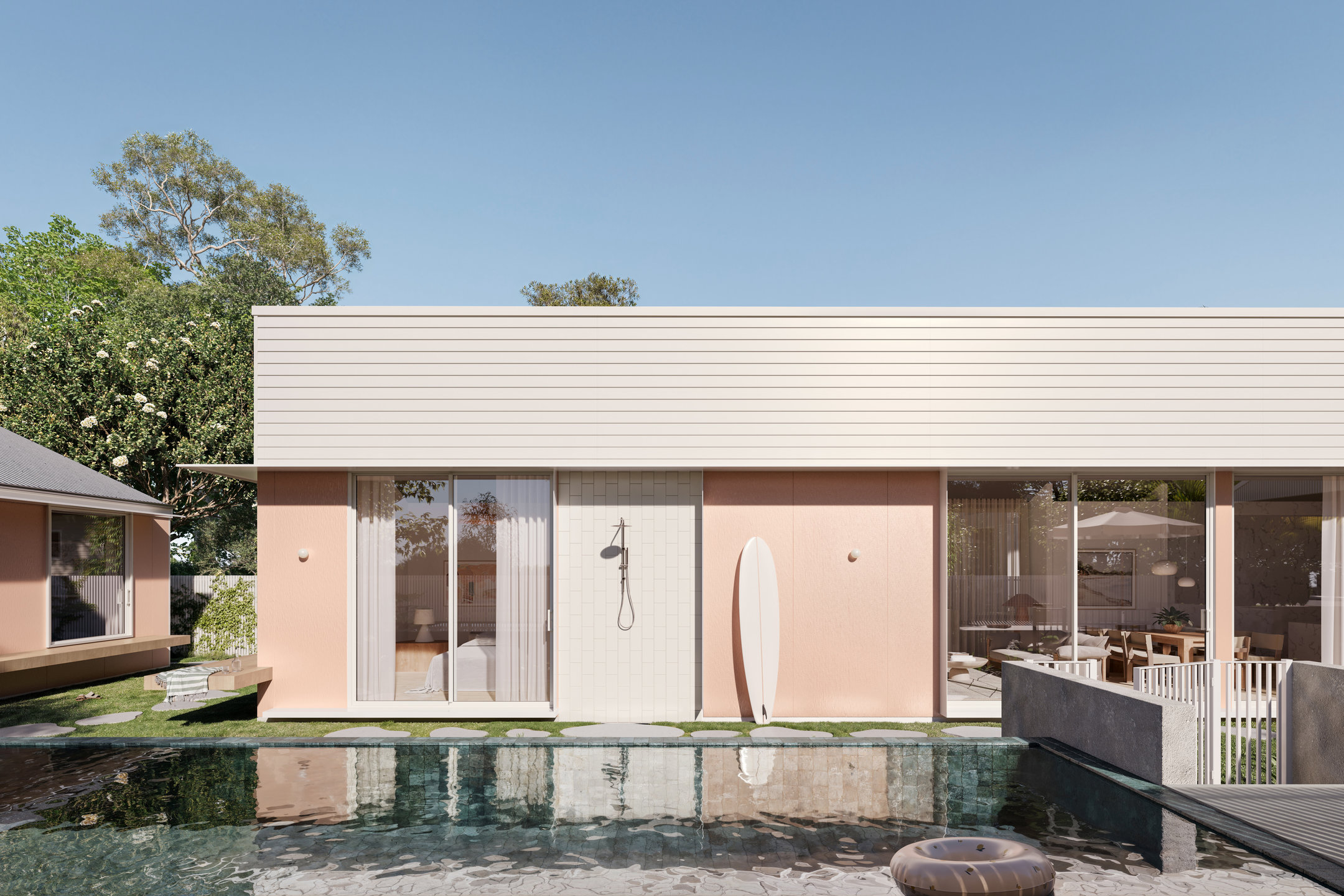
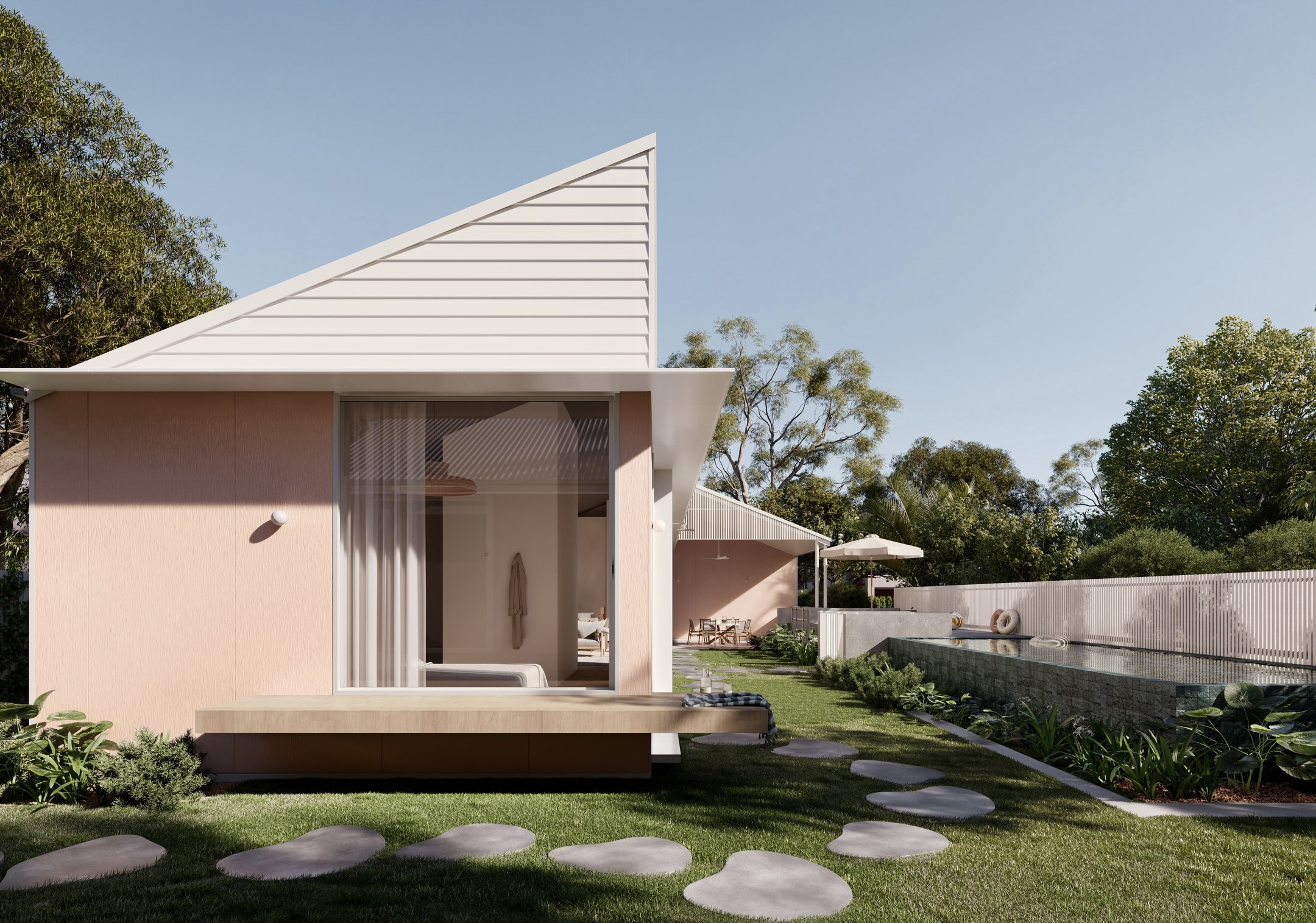
7. Modern Coastal: Expanding beyond its beachside roots to become an elevated, joyful and effortless style for any location. The style embodies a refreshing coastal state of mind that is calm, playful, and open, whether by the sea or in the city.
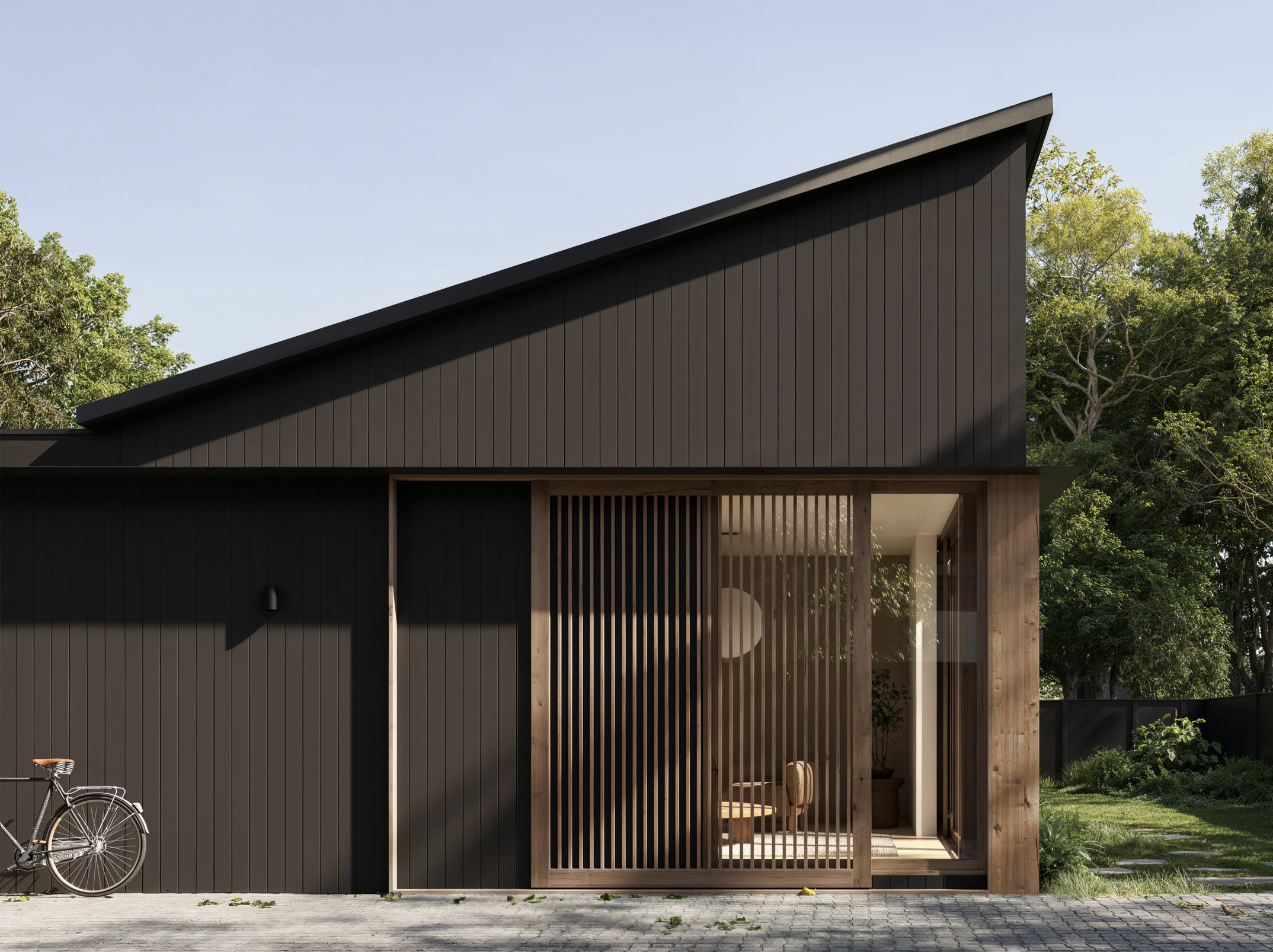
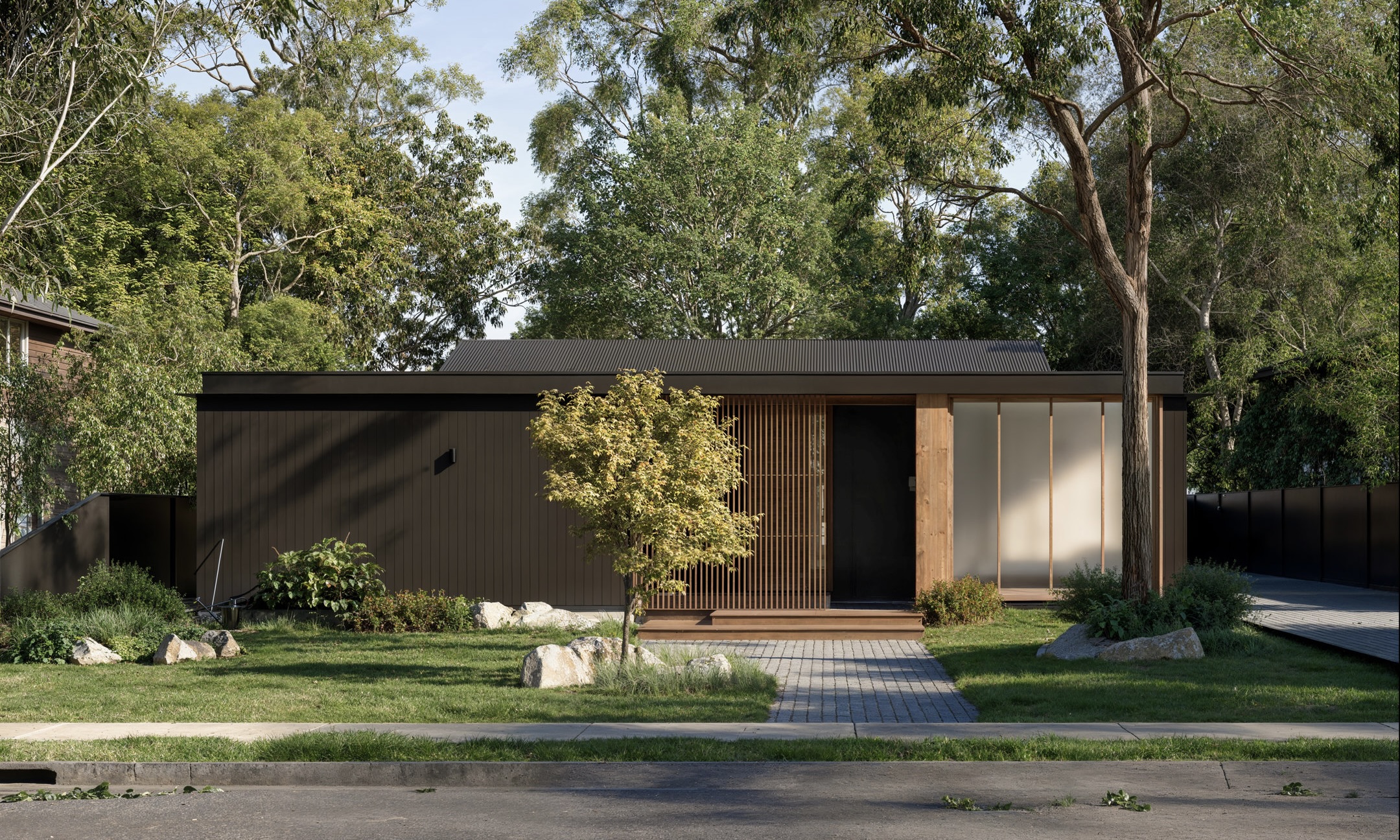
8. Japandi: Moving beyond serene minimalism to become a style of quiet intelligence. This style prioritises smart layout and intuitive design, creating minimal, nature-integrated spaces that can help restore energy.
The key forces transforming the future of home design and building
Trend forecaster WGSN was commissioned to identify data that would inform the James Hardie Modern Homes Forecast 2026 based on the suitability of their STEPIC framework – an analytical lens that considers the impact Society, Technology, Environment, Politics, Industry, and Creativity have on design principles.
The research highlights several powerful drivers reshaping how homes are imagined and experienced.
In Australia, three in 10 citizens are born abroad, and this growth is reflected in the evolution of home design. Increasingly, living spaces are being designed as adaptive environments that prioritise creativity, emotional wellbeing, and care. This shift reflects a broader cultural move toward deeper connection and community. At the same time, technology is expected to play a more human-centred role in daily life, with smart systems designed to build trust, not dominate life.
Growing awareness of the relationship between personal wellbeing and planetary health is also influencing expectations for the home. Consumers are seeking durable materials, energy‑efficient solutions, and biophilic design, supported by stricter housing standards that embed sustainability into future living. Economic pressures are also reshaping demand, with rising costs prompting households to seek homes that deliver greater value, with 36% of people becoming more considered in their purchasing decisions.
Ultimately, today’s homeowners want spaces that balance practicality with warmth and creativity. This is underscored by the fact that 49% of consumers prefer brands that bring a sense of joy.
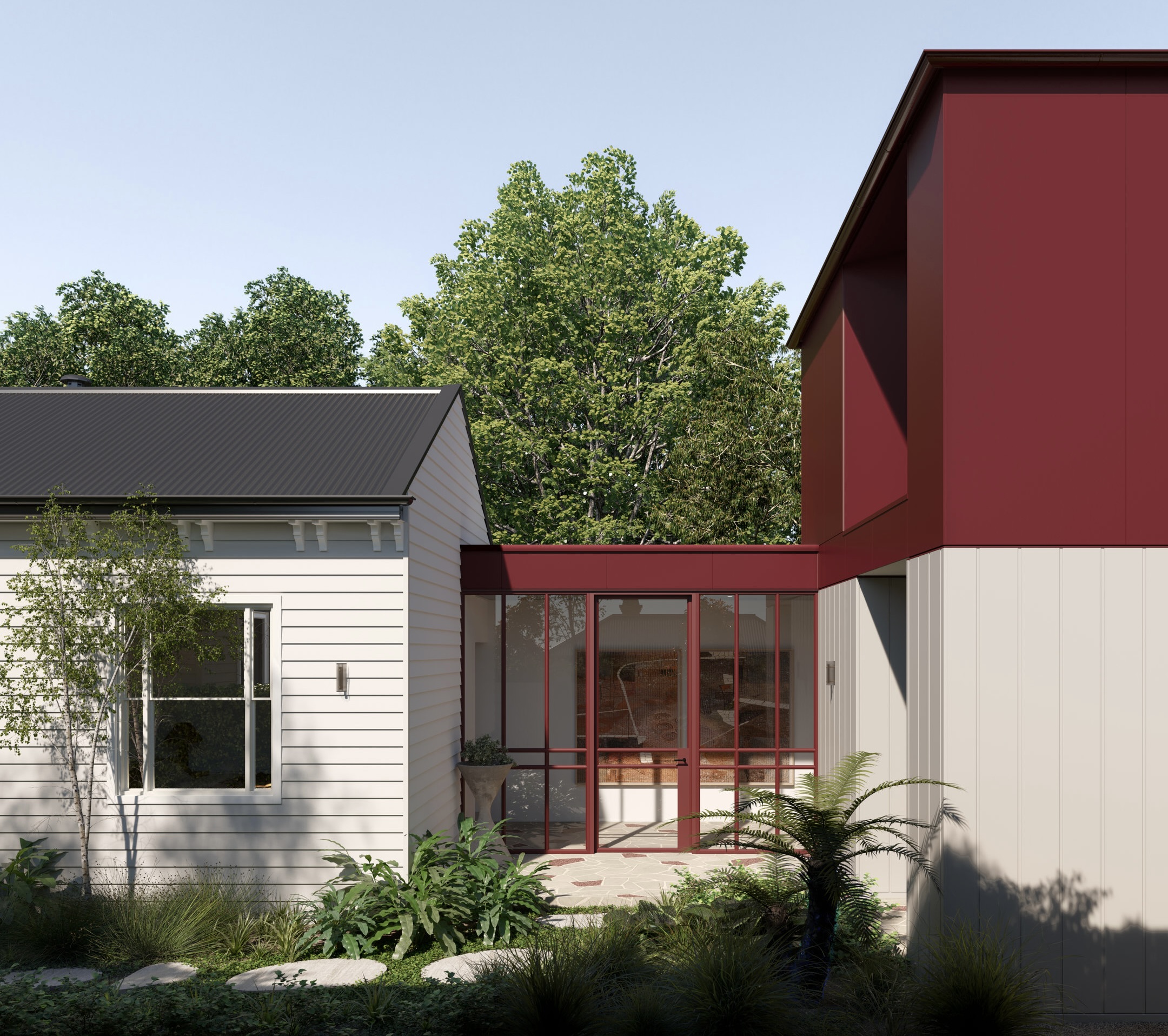
As Australian homes continue to embrace layered, mixed-material design, James Hardie is responding with new solutions, including the Hardie™ Gravis™ AAC Panel launching in June. Designed to support modern building approaches, it offers a streamlined way for architects and builders alike to bring these evolving styles to life.
All in all, the 2026 outlook makes one thing clear: Australian homes are becoming more personal, more adaptable, and more reflective of how we truly want to live.
For more lifestyle articles and property news, click here.
Share this article
Sign up for new article alerts
Receive every new listing in your inbox