

Filters
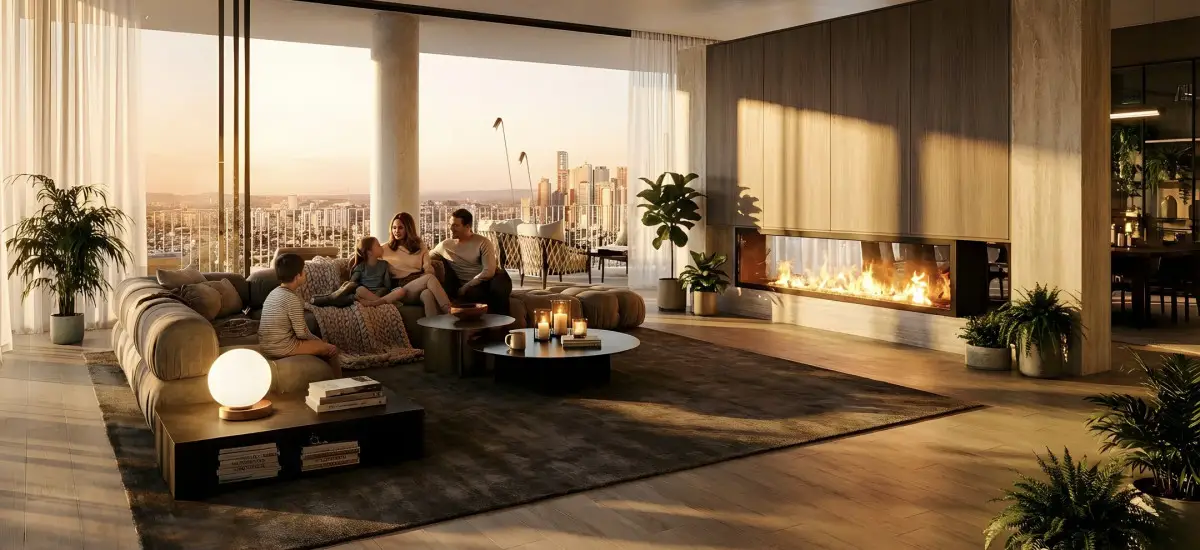
When it comes to people's wishlist of what they want in a home, happiness is rarely mentioned first. Although it might be implied, people more commonly make lists of bedrooms, bathrooms, and car parking spaces – but will these make you happier?
Can good design really make you happier? It’s a question that architects, philosophers, and urban planners have wrestled with for centuries. Happiness feels difficult to pin down, but there is a surprising amount of research that links this emotional state to your home.
When you think of a happy home, you might consider the state of the relationships within the home, the level of care and maintenance, or the sense of belonging and attachment. All of these aspects contribute.
The GoodHome Report from The Happiness Research Institute in Denmark found that 73% of people who are happy with their home are also happy in life. How happy people feel in their homes accounts for around 15% of their overall happiness – more than health (14%), income (6%), or job satisfaction (3%).
Resi UK’s Science of a Happy Home report went deeper to identify six emotional qualities of a home that are related to happiness: secure, nourishing, adaptable, relaxed, sociable, and reflective.
Let’s explore some of the psychological aspects that influence how you feel at home, which shape not only your happiness day to day, but also your resilience and sense of ease in life.
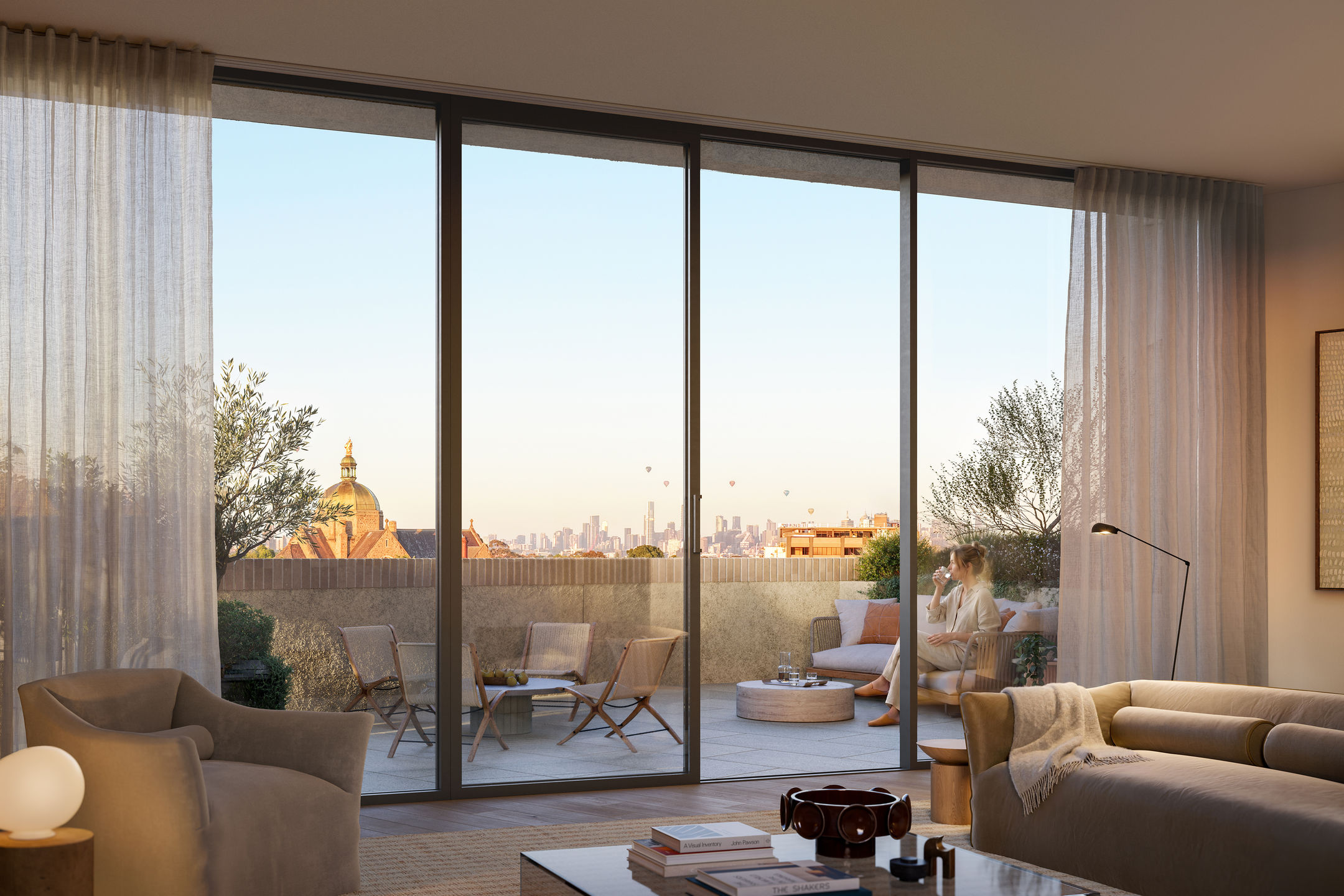
Pride and autonomy
One of the strongest predictors of home happiness is pride.
The GoodHome Report found that a sense of pride accounts for 44% of how happy people feel at home. Wanting to feel proud of your home is something deeply innate in many of us. However, the actual emotion of pride doesn’t come from owning the “perfect” property or a place you want to show off to others; rather, it comes from effort, from the feeling that you’ve invested energy into making a place your own.
One of the reasons many people feel less of a sense of pride in a rental rather than a home that they own has little to do with whether they own it or not. Rather, it’s because their ability to make changes is limited.
Over time, coupled with short-term leases that only allow you to plan ahead one year at a time, this lack of autonomy can erode happiness. Your sense of pride comes from autonomy, from making improvements, from nesting – from the effort you put in.
Adaptability and flexibility
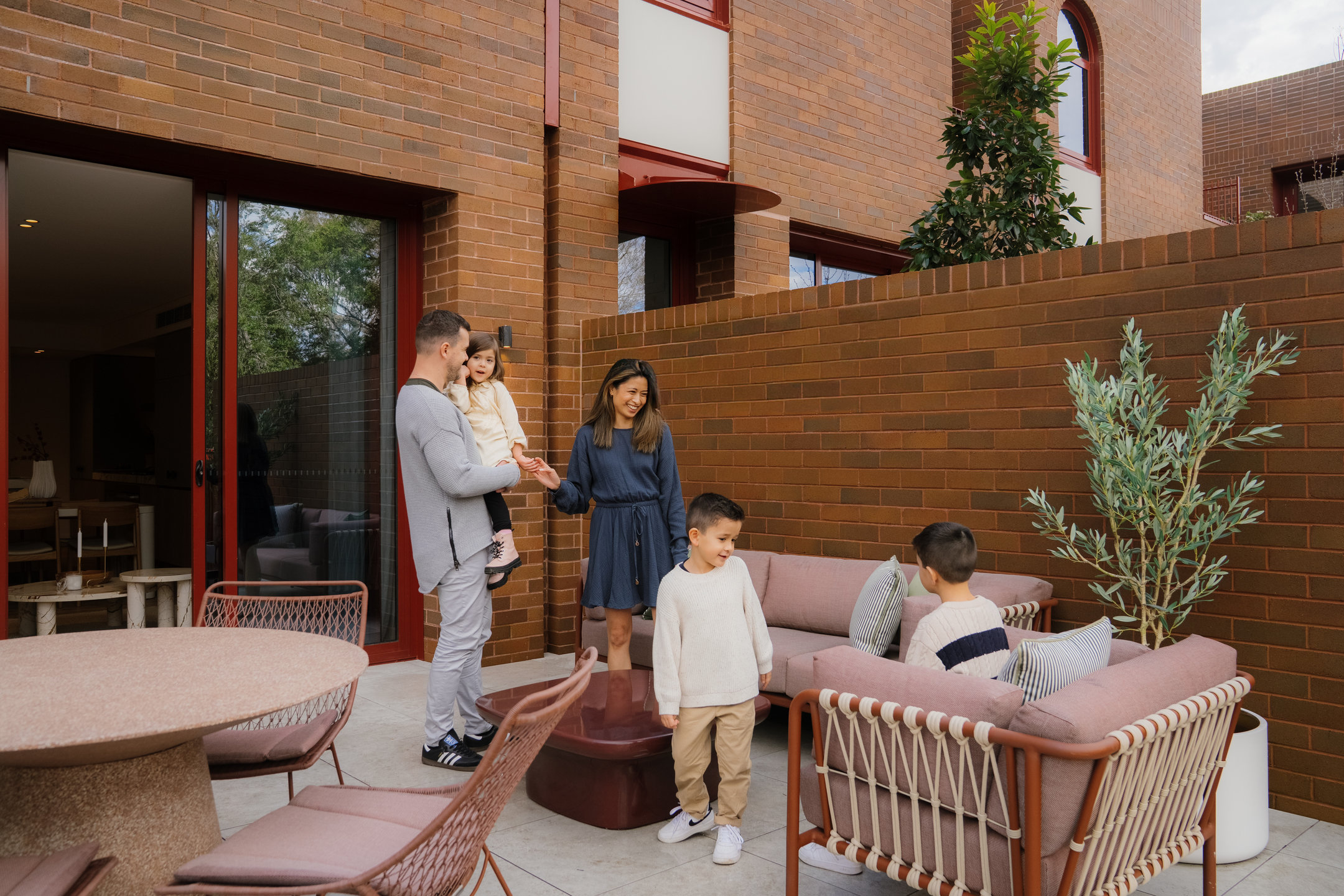
Being able to adapt your home to respond to different uses – for example, having a flexible space that could double as an office, a guest room, a kids’ play space, or a bedroom – is another driver of home happiness, according to Resi UK’s Science of a Happy Home report.
In this study, flexibility was found to be more valuable than having a designated space that locked you into one function. Research on the relationship between size and living space found that the “feeling” of spaciousness is three times more important to your wellbeing than the actual size of your home. Adaptability makes you feel more resilient and flexible in the face of change.
Gathering and connection
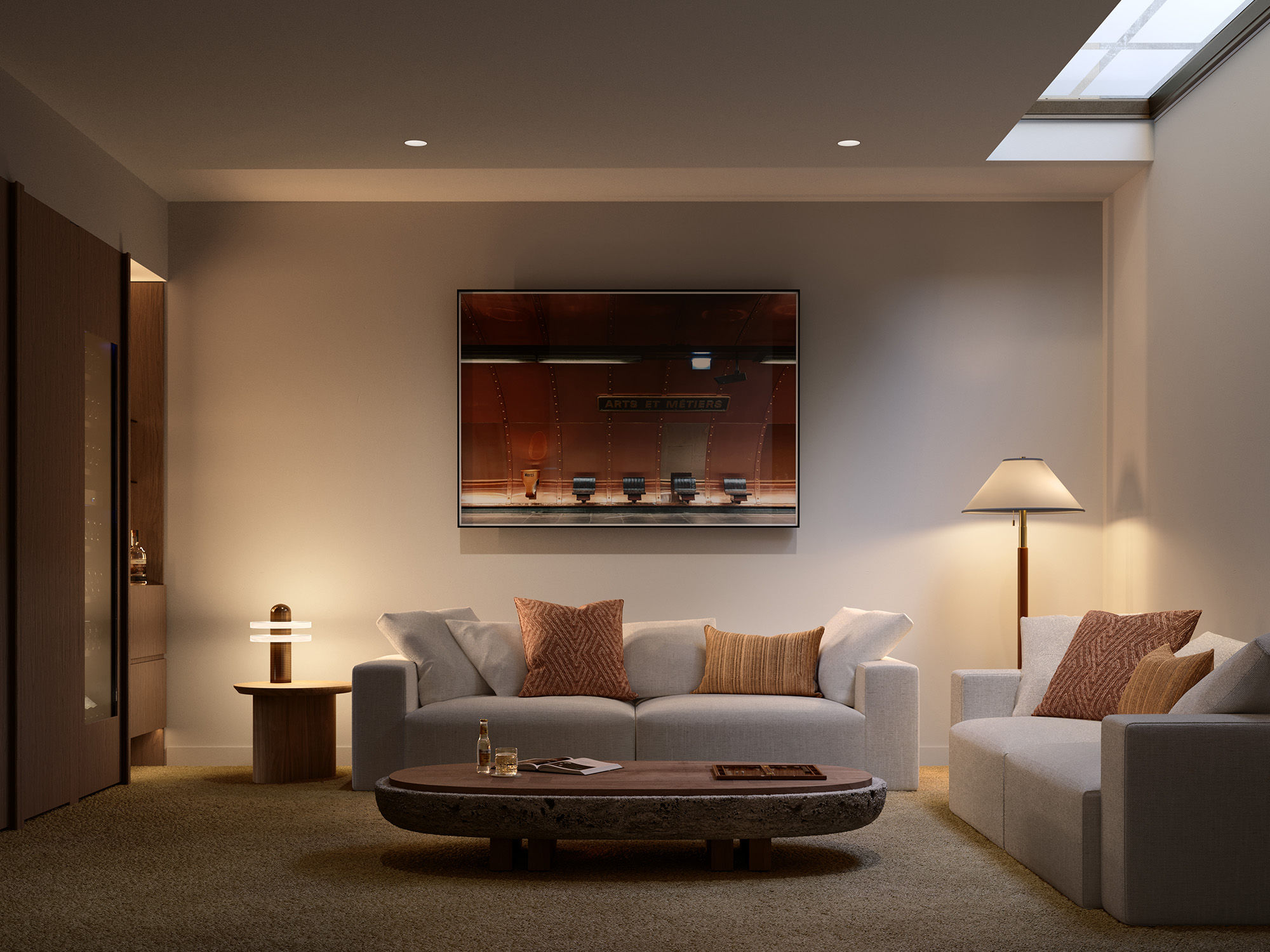
Humans are social creatures, and our homes are happiest when they allow us to connect with others. The Happiness Institute’s research found that socialising at home accounts for 20% of your overall home happiness. This isn’t about having fancy parties or a large kitchen but having a space, however small, that feels welcoming and supports connection with people within your household and beyond.
The kitchen is often the heart of this. The Resi UK study observed that the kitchen space was the primary catalyst for connecting in the home, not the dining room or living area. However, a flexible space where you can have a friend over for tea or a neighbour drop by is also sufficient.
Interestingly, while the kitchen was an important contributor to happiness (as a social connector, not necessarily as a place to cook), a home gym, by contrast, was found to make no measurable difference to happiness levels at all. What mattered more was whether a home supported everyday routines and connections with people.
Beauty and aesthetics
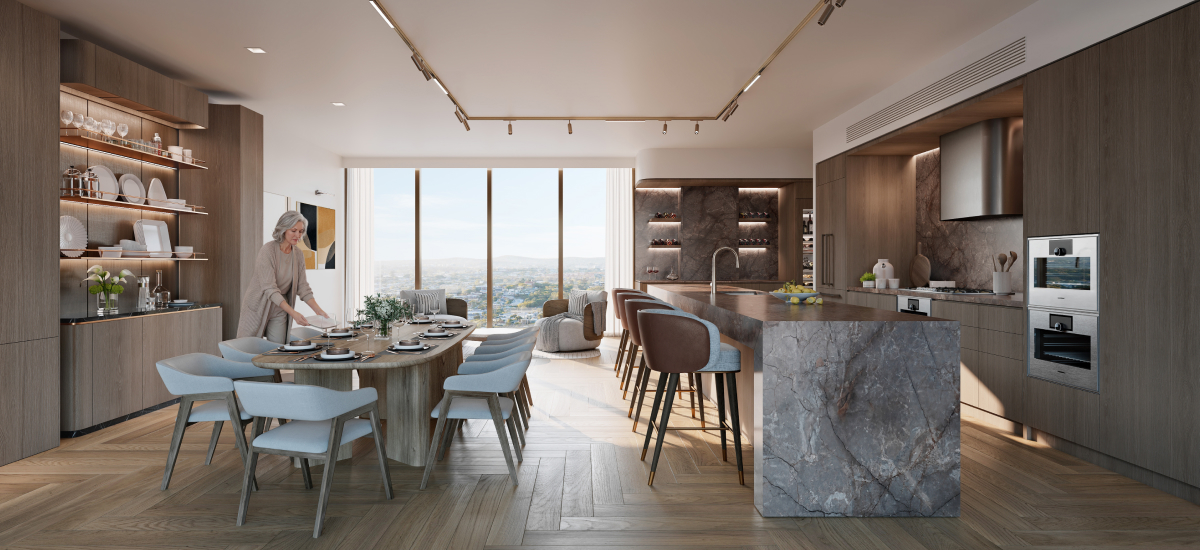
Talking about beauty in the middle of a housing crisis might sound indulgent, but beauty in our surroundings is far from superficial. Aesthetics aren’t about having a designer home or an expensive renovation. They’re about proportion, order, and how spaces make you feel.
Beautiful environments create calm and connection, helping you feel balanced and hopeful. Ugly or chaotic ones can do the opposite, draining your energy and dulling your sense of possibility.
Design isn’t a privilege; it’s a foundation for health and wellbeing. So, what makes a design “good”? It starts with context – responding to the site, the sun, the slope of the land, nearby trees, and views. It’s easy to look at a block of land and see it as a blank slate, or to cut down all the trees on the site as if they’re a nuisance. Simple visual elements such as colour, proportion, and rhythm also shape our experience. Principles found in various architectural traditions, with their focus on symmetry and flow, create a sense of harmony and wellbeing in everyday spaces.
Safety
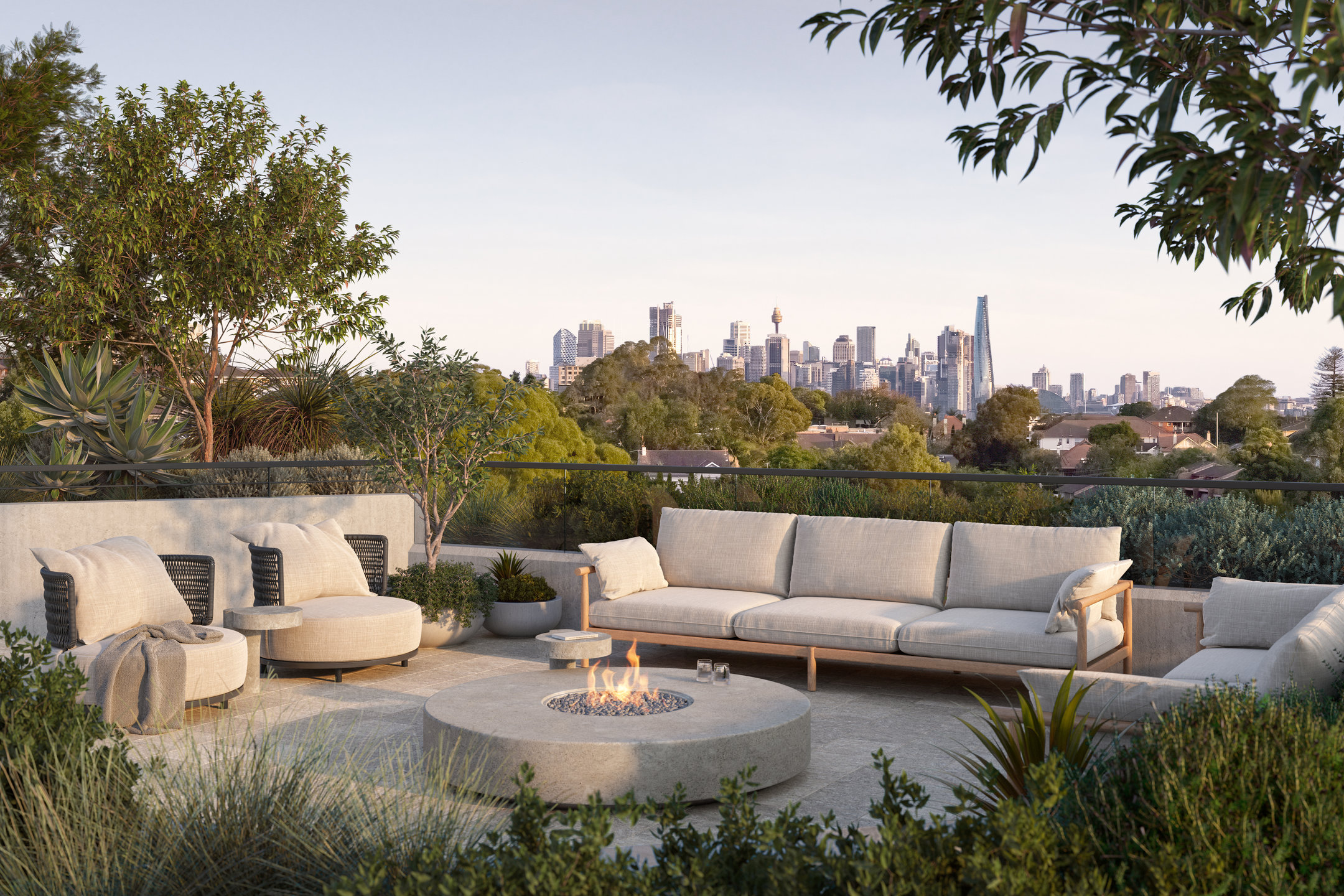
No home can be happy without safety. Safety can mean a lot of things in relation to home. It can mean housing security, referring to the security of tenure and the ability to be housed. It can also mean freedom from domestic and family violence, a critical dimension of housing safety that affects millions of Australians. If you or someone you know needs support, please call 1800RESPECT.
Here, I’m focusing on safety from a different standpoint: the inner sense of peace and contentment you can cultivate at home, regardless of your physical surroundings (assuming in this case that the home is secure and free from violence).
Cultivating a sense of safety at home stems from what research by psychologist Carol Ryff identifies as “environmental mastery.” It’s “the ability to choose or create environments suitable to one’s psychological conditions.” In other words, it’s about cultivating an internal sense of agency that allows you to make any space feel like home.
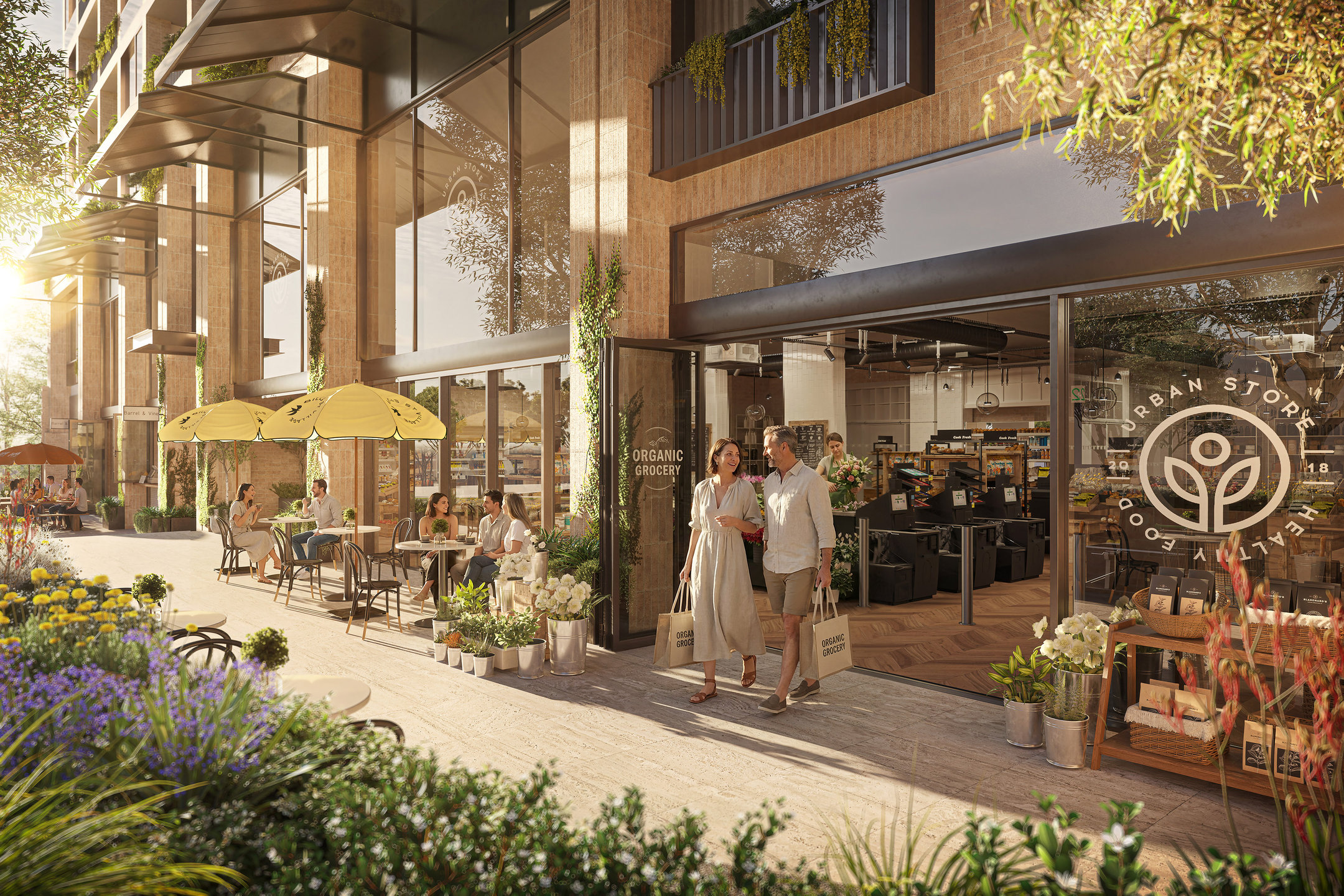
If you’re thinking that you’ll be happier when you have the bigger house or the extra bedroom, when you stop renting, when the renovation is completed, or whatever future home state you’re looking forward to, you might be waiting forever. Sure, a different home might make you feel more comfortable or make your everyday logistics easier, but it won’t necessarily improve your sense of wellbeing at home.
Happiness at home is driven less by the space, and more by the action or effort you put into it. It comes from the place-making rather than the place. When you understand that home happiness comes more from emotional foundations than physical features, it might change what you’re willing to settle, pay, or wait for.
For more lifestyle and real estate news, click here.
Header image of ORO Newstead.
-
Edited extract from Finding Home (Major Street Publishing $32.99), by Lucinda Hartley. Lucinda is an award-winning urban designer and housing expert who has spent 20 years designing cities and asking why the housing system is broken. Her new book, Finding Home, is a practical guide to finding a home in today’s market, and her answer to a housing conversation that needs to change.
Share this article
Sign up for new article alerts
Receive every new listing in your inbox