

Filters

It’s cold. Your apartment is doing its best. Here’s how to help it out.
Winter in Australia is a funny thing. It’s not quite the bone-chilling blizzard of the northern hemisphere, but a Melbourne evening in July? Absolutely not something you want to face with thin curtains and bare floorboards.
The good news: making a small apartment feel genuinely warm (not just adequately heated) is less about square metreage and more about layering the right things in the right order.
Here’s where to start.
1. Sort your curtains (seriously, do this first)
If your windows are dressed in sheers or cheap blinds, you’re essentially leaving the heating on with the door open. Windows can leak up to 40% of your indoor heat, so this is the highest-impact change you can make.
Heavy, floor-length curtains are the move, and they don’t need to cost a fortune. The trick is length: curtains that fall to the floor rather than stopping at the sill trap significantly more warmth. Pairing a blockout blind with a sheer curtain adds dimension and warmth, so you're getting both insulation and a bit of style in one go.
The routine: let the sun in during the day (free passive heating, don’t sleep on it), then draw everything shut when it gets dark.

2. Layer textiles like you mean it
This is the fun part. Winter invites us to slow down, settle in, and engage the senses, and there’s no better way to do that than through sumptuous, layered textiles. That doesn’t mean piling every blanket you own on the sofa and calling it done. Think intentionally.
A chunky knit throw on the armchair. A wool or faux-fur cushion cover swapped in for your linen ones. A generous rug underfoot (more on that in a second). Materials like velvet, faux fur, wool, or chunky knit add a tactile sense of comfort that just begs for a movie marathon.
The goal is warmth you can see, warmth you can feel, and warmth that makes your apartment look like somewhere a person actually wants to spend a Sunday.

3. Rugs: an underrated winter purchase
Cold floors make a cold apartment feel colder than it actually is. A rug fixes this fast, and in a small space, the right rug can make a room feel bigger and cosier at the same time.
If your floors feel cold, a rug is a simple but effective fix. It keeps your feet warm and adds a layer of insulation. Go for something with a little weight to it; a flat-weave won’t cut it the same way a wool or high-pile option will. And don’t be afraid to size up: a rug that’s too small looks like a bathmat. Let it breathe under the sofa legs or bedframe.

4. Rethink your lighting
This one’s a vibe shift, not a practical fix, but it matters more than you’d think. Overhead lighting in winter is brutal. It’s clinical, it’s cold, and it makes even the cosiest room feel like an office.
The key is layering multiple light sources at different heights and intensities to create depth and balance. Opt for warm white bulbs in the 2700K-3000K range to soften the light and avoid a clinical feel. A floor lamp in the corner, a table lamp beside the sofa, maybe a string of warm lights on a shelf – suddenly your apartment feels like somewhere you’d actually want to spend a Tuesday evening.
Dimmers are a game-changer if you can add them. Failing that, smart bulbs with adjustable warmth are a relatively cheap way to get the same effect.

5. Choose your heater wisely
Here’s where it’s worth doing a little homework before you just grab the cheapest thing at the shops.
If your apartment already has a reverse-cycle split system, use it and use it well. Reverse-cycle air conditioners are much more efficient at heating than standard electric heaters. For every unit of electricity they use, they can move three to five units of heat into the room. That’s a significant difference come bill time.
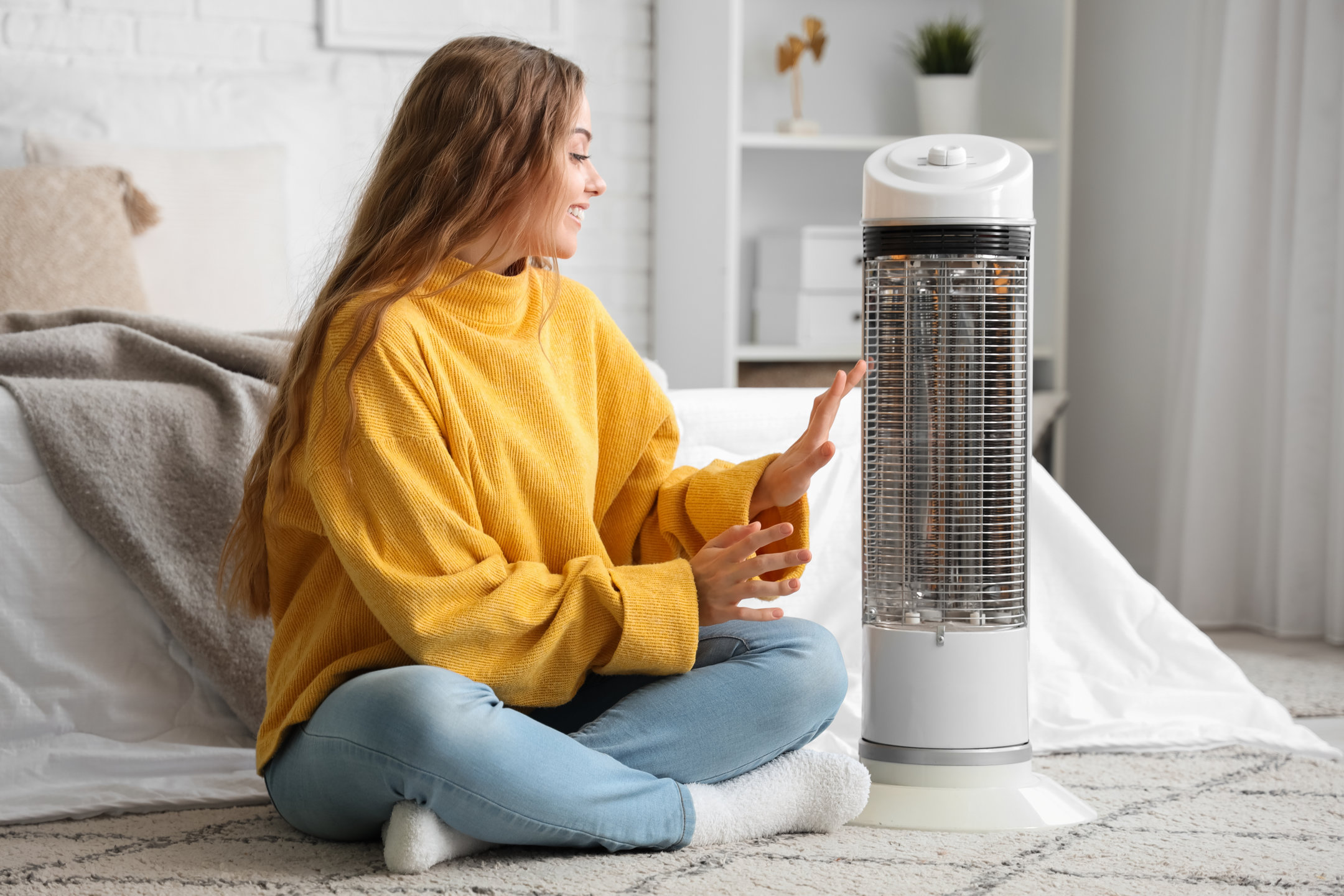
If you’re renting and working with what you’ve got, a portable electric heater is fine for a bedroom or study. If you’re only looking to heat a small, enclosed space, an electric heater will do the job, particularly one with a fan and a thermostat if you’re planning to have it on for long periods. Just close the door, seal any gaps, and let it do its thing efficiently rather than heating the whole hallway.
One tip worth knowing: for every extra degree you heat your home above the recommended 18-21°C, you’re adding around 10% to your heating costs. Rug up a little first, then heat to comfortable, not to tropical.
6. Block the draughts
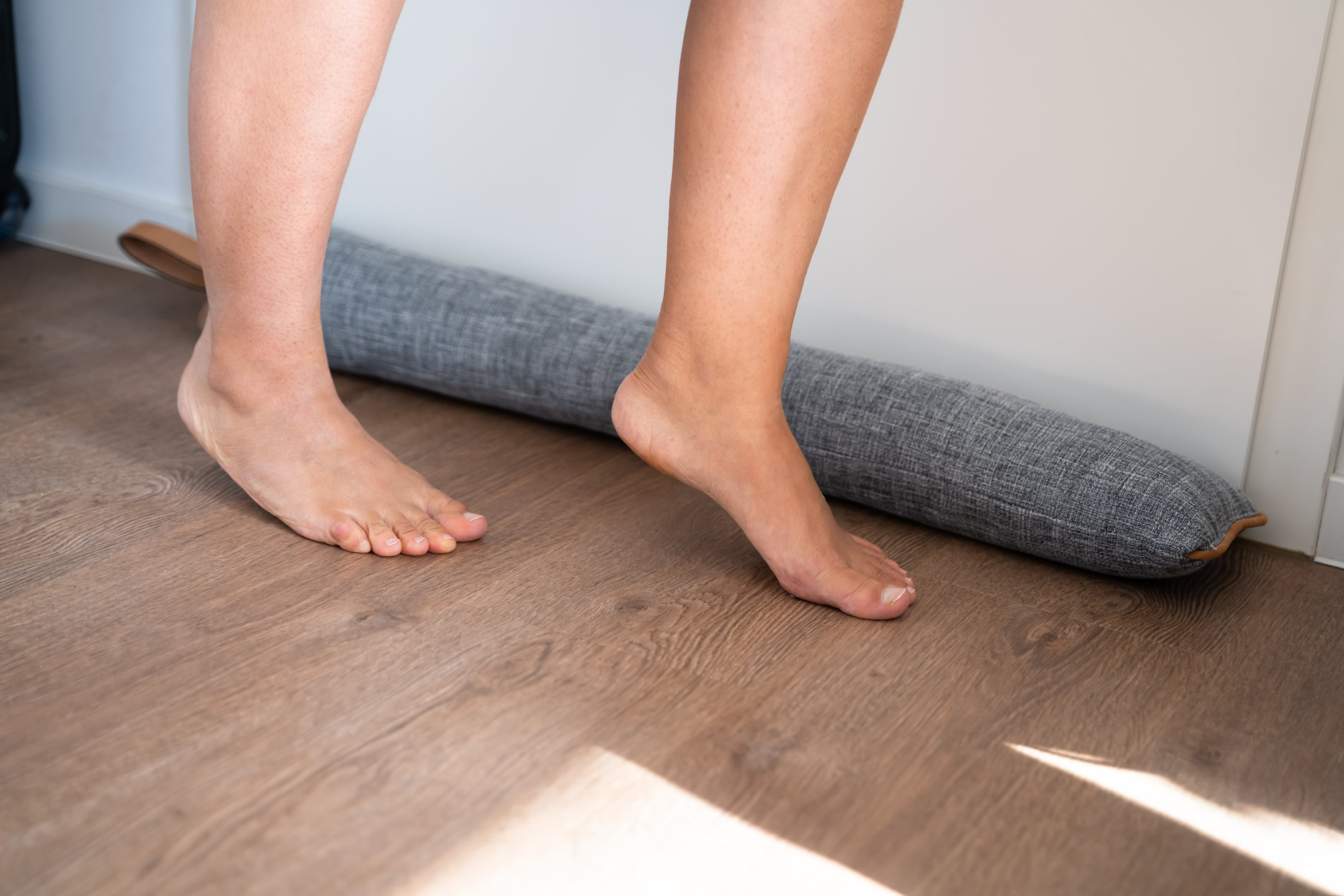
Low-effort, high-reward. Door-draft stoppers can make a big difference in the winter months. If you can feel cold air creeping under a door or around a window frame, you’re essentially heating the outside.
A door snake (yes, the humble sausage-shaped thing from the hardware shop) is not glamorous, but it works. For windows, self-adhesive foam tape is inexpensive and easy to apply, and you can remove it at the end of winter without any damage.
7. Embrace warm tones in your decor
This is the easiest and cheapest thing on the list. A cost-effective way to incorporate the season is by rotating small decor items in seasonal tones. Terracotta, rust, deep olive, and warm ochre are great options – colours that read as warm even before the heater’s on.
Swap out a pale cushion cover. Add an amber-toned candle. Move a timber bowl or vase to the coffee table. None of this costs much, and collectively it shifts the feel of a room entirely.

Winter in an apartment doesn’t have to mean surviving until spring. With the right layering in textiles, light, heat, and even colour, a small home can feel like the most comfortable place in the city. Which, let’s be honest, it already is.
Browse the latest new apartments across Melbourne, Sydney, Brisbane, and more at a-d.com.au.
For more lifestyle and real estate news, click here.
Header image source.
Share this article
Sign up for new article alerts
Receive every new listing in your inbox