

Filters

Winter in Australia is a different beast depending on where you live. In Melbourne, it arrives with grey skies and a chill that cuts right through you. In Brisbane, it’s more of a gentle nudge with crisp mornings, cooler evenings, and a reason to finally dig out that throw blanket. In Sydney, it’s somewhere in between.
But wherever you are, one thing’s true for apartment owners across the country: a little bit of prep now saves a lot of headaches later. Think of this as your seasonal once-over, the stuff worth checking before you’re dealing with a draughty window at 6 am on a Tuesday.
Here’s your winter checklist.
1. Check your seals and weather stripping
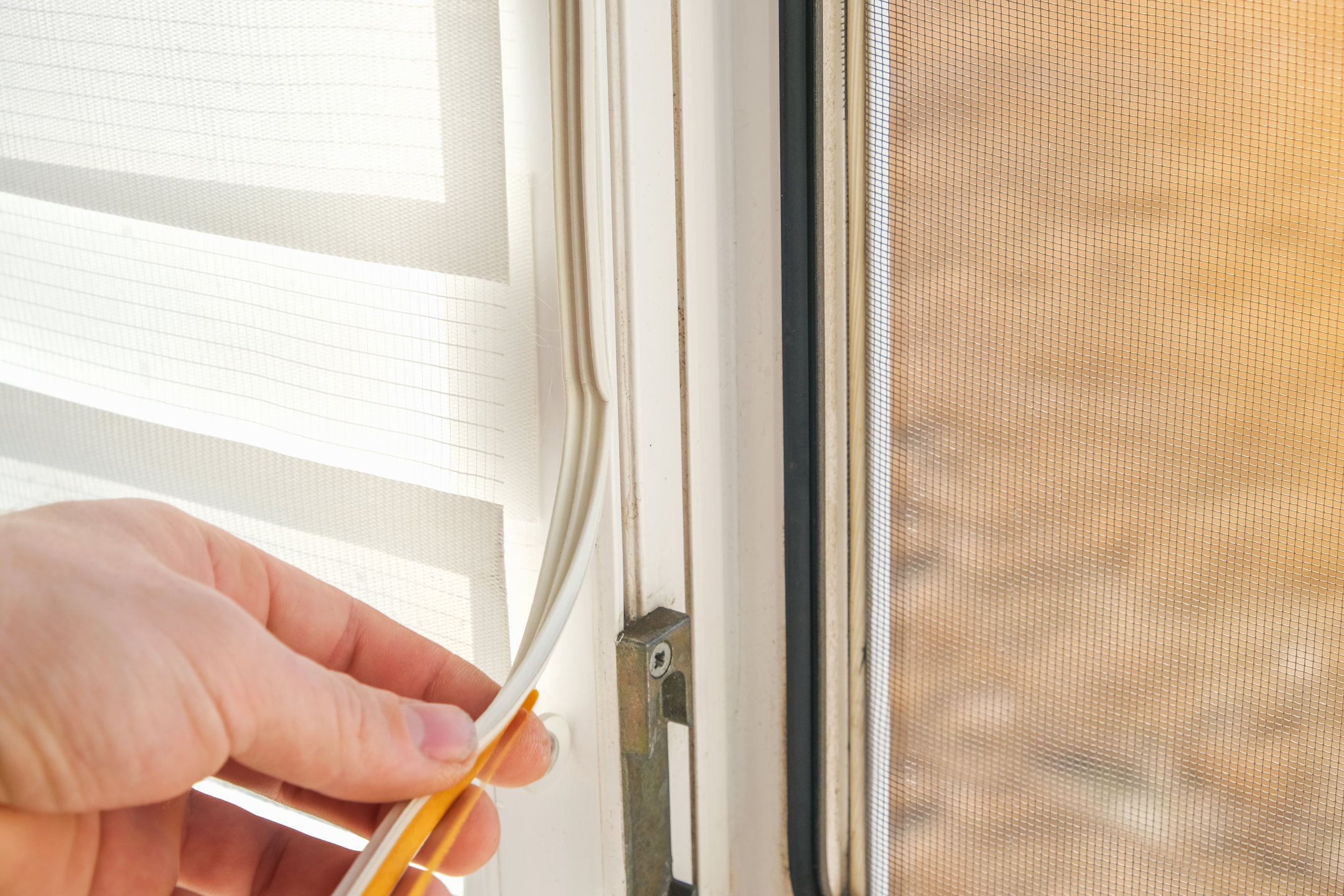
Draughts are sneaky. They creep in around door frames, window edges, and balcony sliding doors, and once the cold hits, you’ll feel every one of them.
Run your hand around the edges of your windows and doors on a windy day. Feel any air movement? That’s a seal that’s either worn out or was never quite right to begin with. Replacing weather stripping is cheap, takes about 20 minutes, and makes a noticeable difference to both warmth and your energy bill.
2. Test your heating system now (not in July)
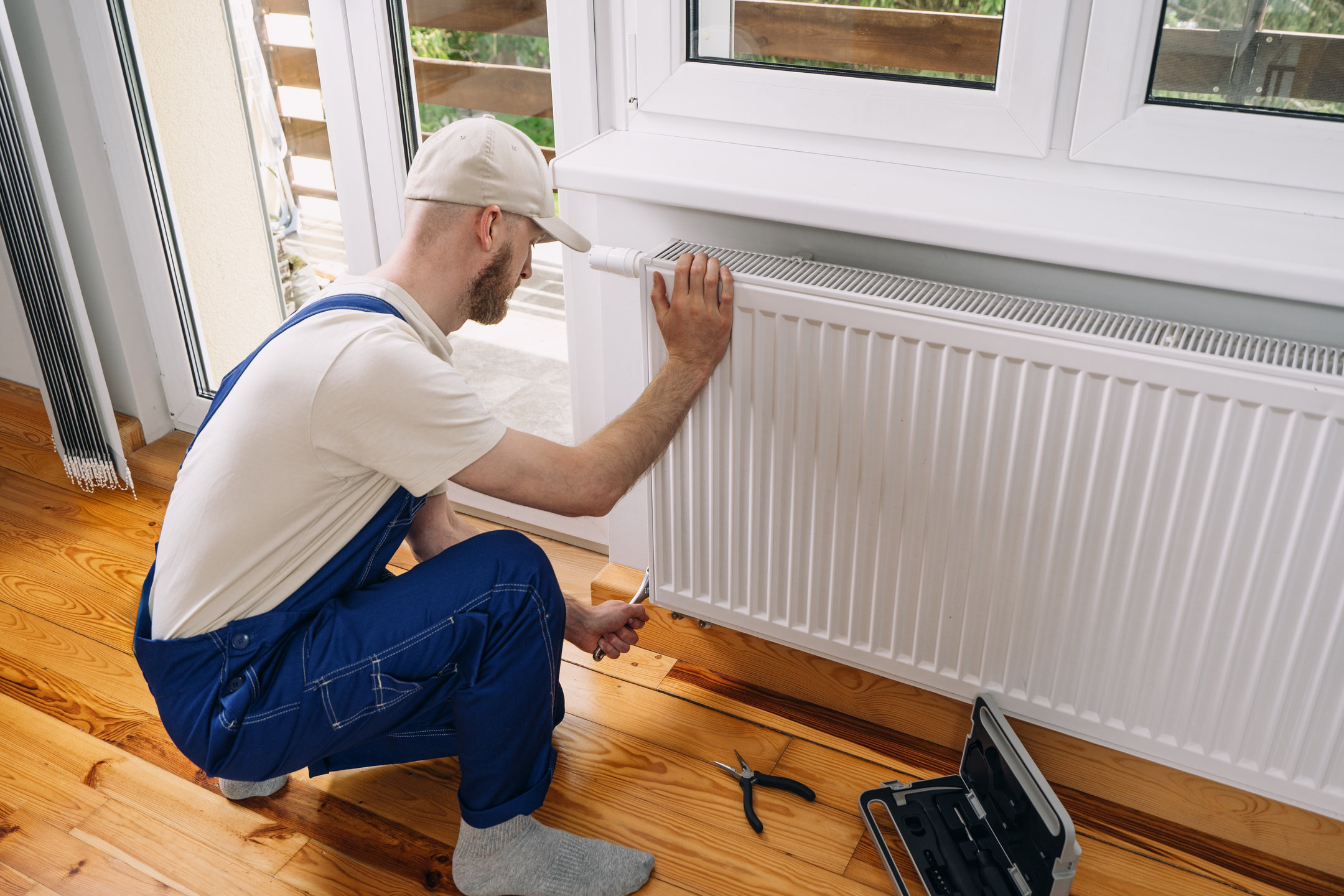
This one sounds obvious, but you’d be surprised how many people flick on the reverse cycle for the first time in June and find out it’s not working quite right. Don’t be that person.
Turn your heating on as autumn is making its way in, let it run for 20 to 30 minutes, and make sure it’s actually warming the room. While you’re at it, clean or replace the filter. Dust builds up over the summer and a clogged filter means your system works harder and heats less efficiently. Most filters just slide out and can be rinsed under the tap.
3. Inspect your balcony drainage
Autumn leaves, dust, and debris love to collect in balcony drains and gutters. If yours is blocked when the winter rain comes, you could end up with pooling water, and depending on your building, that can become someone else’s ceiling problem pretty quickly.
Clear out any visible debris, check the drain isn’t blocked, and make sure water flows away freely. Takes five minutes, saves a potential strata headache.

4. Look for any signs of moisture or mould
Winter is prime season for condensation, and condensation left unchecked leads to mould. Check the corners of your bathroom, around window frames, and any walls that back onto an external facade, as these are the spots that tend to suffer first.
If you spot early mould growth, a mould-specific spray and a bit of ventilation can sort minor cases. If it keeps coming back or the area is large, it’s worth flagging with your building manager. It can point to a waterproofing or ventilation issue that’s bigger than a surface fix.

5. Swap out your bedding and check your hot water system
A little seasonal reset goes a long way. Bring out the heavier doona (or throw on an extra layer), store your summer linen somewhere dry, and check your wardrobe and storage areas for any signs of dampness while you’re in there.
While you’re thinking about warmth: when did you last check your hot water system? If it’s been a while, it’s worth giving it a look. Make sure the temperature relief valve is working and there’s no visible corrosion or leaking around the unit. If something looks off, call a licensed plumber; don’t leave it.

6. Update your emergency contacts
This one’s easy to skip but genuinely worth doing. Make sure you have your building manager’s contact saved, know where your emergency maintenance line is, and have your strata contact handy.
If something goes wrong on a cold night, such as a burst pipe or the heater that gives out, you’ll want that information somewhere easy to find, not buried in an email from 18 months ago.

7. Think about your common areas
If you’re an owner-occupier (not just a tenant), winter prep extends a little beyond your front door. Common areas like lobbies, car parks, and shared outdoor spaces can develop their own winter issues, from slippery surfaces and poor drainage to lighting that needs attention as the days get shorter.
If you notice something that needs fixing, raise it at your next strata meeting or flag it with your building manager. These things are much easier to sort before they become urgent.

Winter in an apartment, done well, is genuinely lovely. Smaller spaces heat up faster, there’s usually less outdoor maintenance to worry about, and if your building has shared amenities, you’ve got somewhere comfortable to be regardless of the weather outside.
A bit of prep now, and you’re set for the season.
Looking for a new home built for the way you actually live, all year round? Browse the latest listings on Apartments & Developments.
For more lifestyle and real estate news, click here.
Header image source.
Share this article
Sign up for new article alerts
Receive every new listing in your inbox