

Filters
Because the best part of choosing a home before it’s built is having a say in how it feels.
One of the greatest joys of buying a new home before construction begins is the ability to shape your environment. You aren't inheriting someone else’s renovation choices, and you aren't settling for a colour scheme or finishes that don't reflect your personal style. Instead, you get to put your own fingerprint on the space, curating the mood and the details, before you even turn the key.
But how much can you actually change?
Creating a home within a larger development is a balance between personal expression and structural reality. To help you plan your ideal space, here is a clear look at what you can customise, what you can sometimes tweak, and what is firmly set in stone.
The ‘Yes’ List: What you can almost always choose
When you purchase early, developers (the creators of your new home) will usually offer a range of choices to help you personalise your interiors.
Curated colour schemes
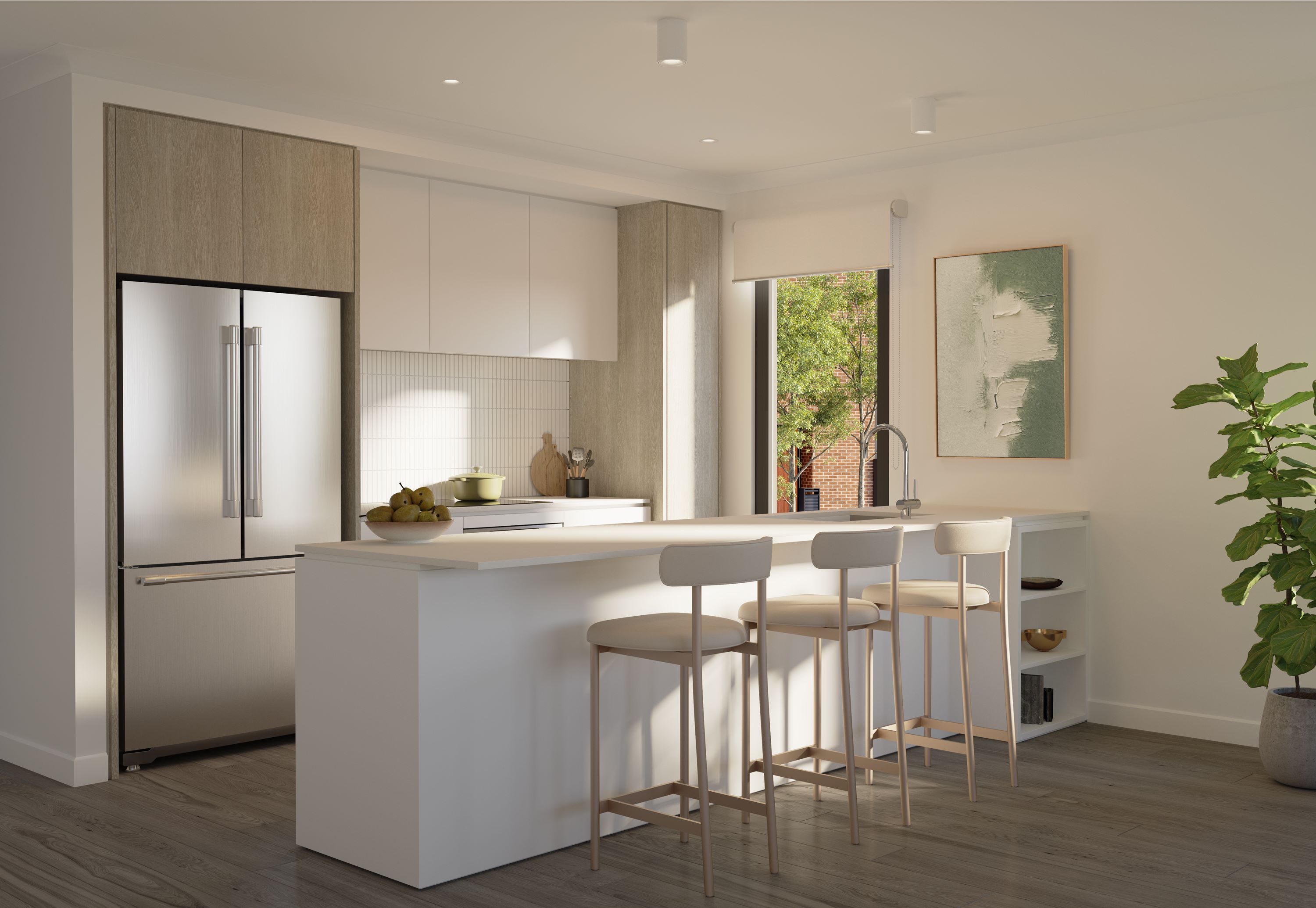
Most new developments offer two or three professionally designed colour palettes - typically a ‘light’ scheme (think warm oaks, white stone, and airy tones) and a ‘dark’ scheme (moodier charcoals, walnut timbers, and dramatic accents).
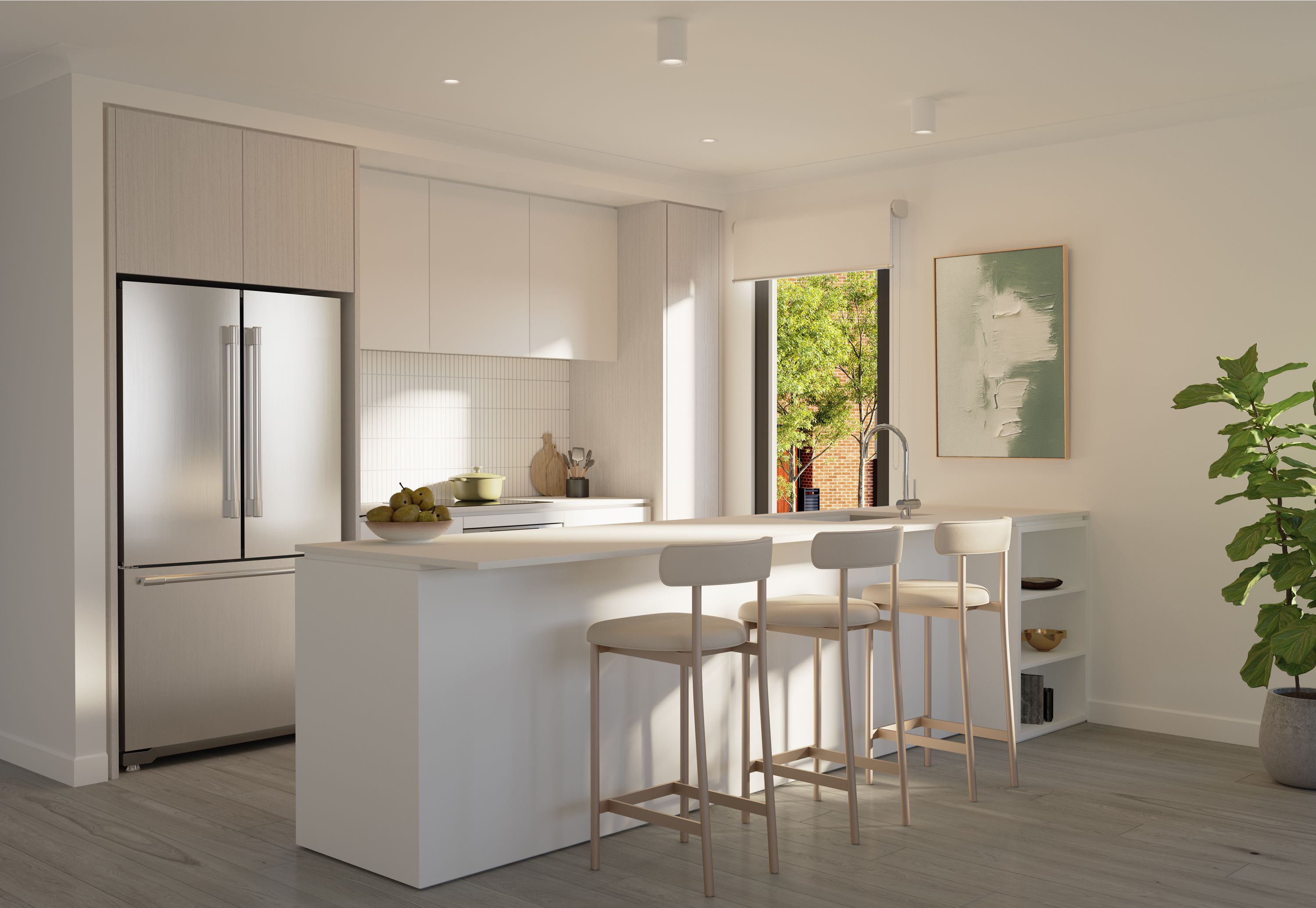
Buyers often have the opportunity to choose between light (above) and dark (below) colour schemes. Image credits: Stockland Oak Place
Finishes and upgrades
While your home will come with a comprehensive list of high-quality standard inclusions, you often have the option to upgrade. This might mean swapping standard carpets for engineered timber flooring in the bedrooms, upgrading to natural marble benchtops, or selecting premium brass tapware instead of brushed nickel.
Appliance packages
A kitchen is the heart of the home, and developers know this. You will often have the choice to upgrade your appliance package - perhaps swapping a standard oven for a wider, chef-style model, or integrating your fridge and dishwasher behind custom cabinetry for a seamless look.
The ‘Maybe’ List: What you can sometimes change
If you buy very early in the journey (well before the foundation is poured), you may have the opportunity to request ‘variations.’ These are custom changes to the floorplan or electrical layout.
Layout tweaks
Want to remove a non-structural wall to create a larger open-plan living area? Prefer an oversized walk-in shower instead of a bathtub? If you make these requests early enough, some developers are happy to accommodate them, provided they don’t disrupt the overall building design.
Lighting and electrical
The placement of power points and lighting can dramatically affect how a room functions. You can often request additional power points (perfect for a home office setup), add dimmer switches, or include wiring for smart home technology and automated blinds.
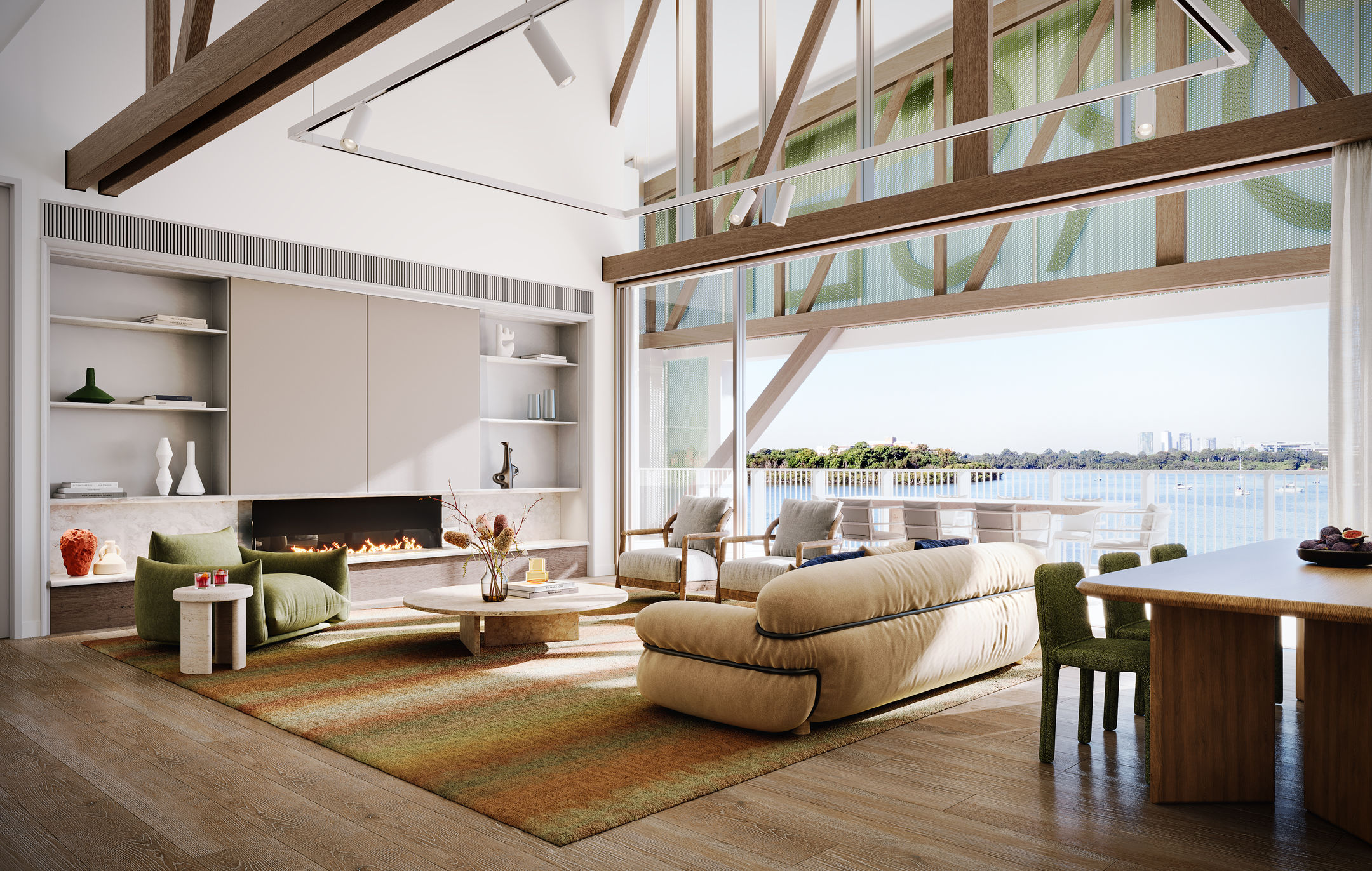
AD Tip: The golden rule of variations is time. The closer the building gets to completion, the fewer changes can be made. If customisation is important to you, the earlier you secure your home, the better.
The ‘No’ List: The limitations you need to know
While there is plenty of room for personalisation, a multi-home development relies on a master structure. Here is what you generally cannot change:
Structural walls and pillars
Load-bearing walls and structural columns are non-negotiable. They are essential to the safety and integrity of the entire building and cannot be moved, thinned, or removed.
Plumbing locations
The "wet areas" - your kitchen, bathrooms, and laundry - are tied to the building’s central plumbing stacks. Because of this shared infrastructure, the layout of these rooms is locked in. While you can often upgrade the style or finish of your tapware, the actual locations of your sinks, showers, and toilets cannot be moved.
The exterior facade
The outside of your home, including balcony shapes, window sizes, and exterior paint colours, is strictly governed by the Development Approval (DA) granted by the local council. The architectural vision of the building’s exterior must remain consistent.
How to approach your choices
Depending on where you are in your journey, your priorities for customisation will look a little different:
Buying your first home? Keep it simple. The standard inclusions and carefully curated colour schemes have been designed by design experts to look beautiful and function perfectly. Sticking to the standard options keeps your budget in check while still delivering a brand-new, modern aesthetic.
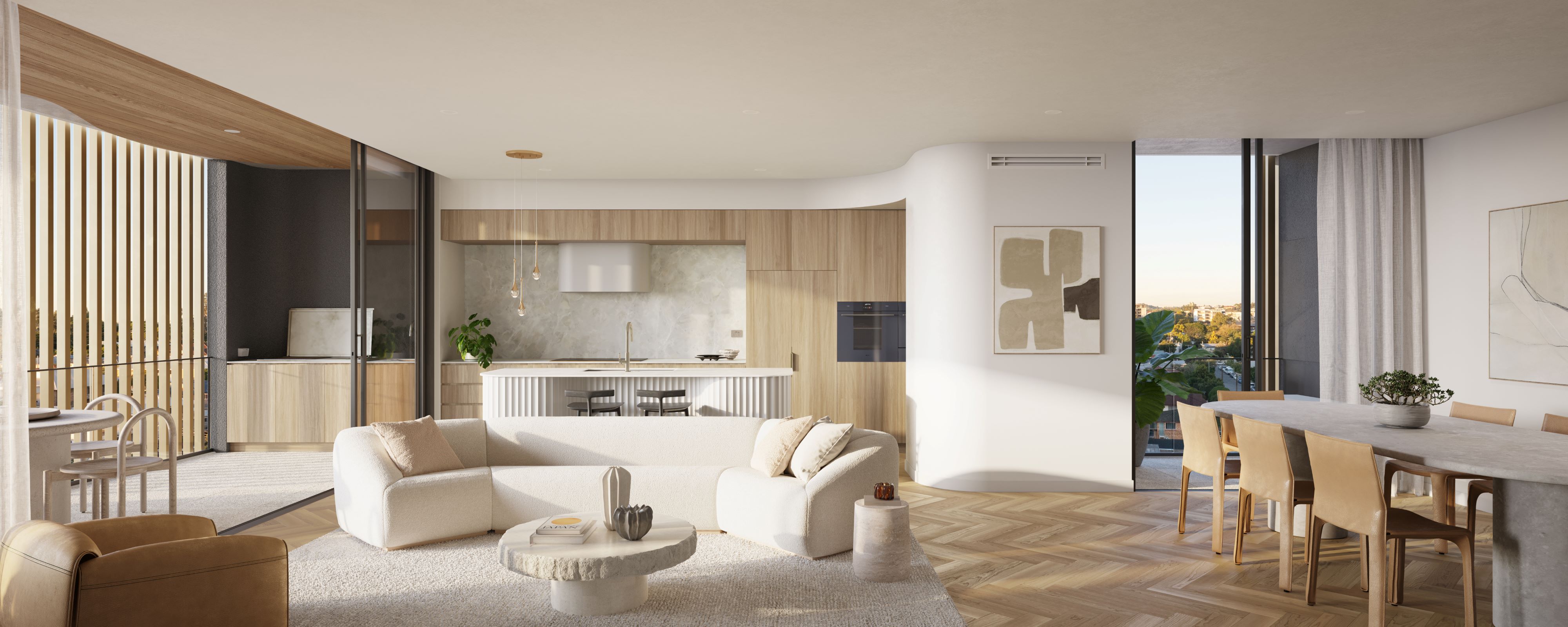
Making a trade or growing your space? If you are moving from a larger house or upgrading to your forever home, this is where variations shine. Focus on the layout tweaks that support your daily rhythm. Upgrade the kitchen appliances if you love to cook, or request extra custom joinery to ensure you have all the storage space you are used to.
Growing your portfolio? If you are an experienced investor, neutral choices are your best asset. Stick to the lighter colour palettes, as they make spaces feel larger and appeal to the widest variety of future renters. Prioritise durable finishes over highly personalised or stylistic upgrades.
Final thought
Designing your space shouldn't feel like navigating a maze of red tape. It should feel like an invitation to create a home that truly reflects how you want to live. By understanding the boundaries of what can and cannot be changed, you can focus your energy on the choices that will make the biggest impact on your everyday life.
For more off-the-plan buying guides, click here.
Share this article
Sign up for new article alerts
Receive every new listing in your inbox