

Filters

While the fluctuating cost of fuel dominates the headlines, a quieter, more significant shift has been unfolding within the blueprints of forward-thinking residential developments.
For years, electric vehicles were treated as a 'someday' technology. But as more drivers look to make the switch from petrol, the distinction between a standard home and a future-proofed one has become clear. It isn’t just about where we park; it’s about ensuring the everyday reality of charging a car is built in from day one, regardless of the development’s price point.
For the new development dweller, the barrier to EV adoption hasn't been the car itself, but the architecture supporting it. Recognising this, an increasing number of developers have been laying the groundwork long before the current energy shift reached its peak, ensuring that modern living remains accessible and efficient.
The ease of integrated living
In contemporary residential design, the most successful features are often the ones you don't have to think about.
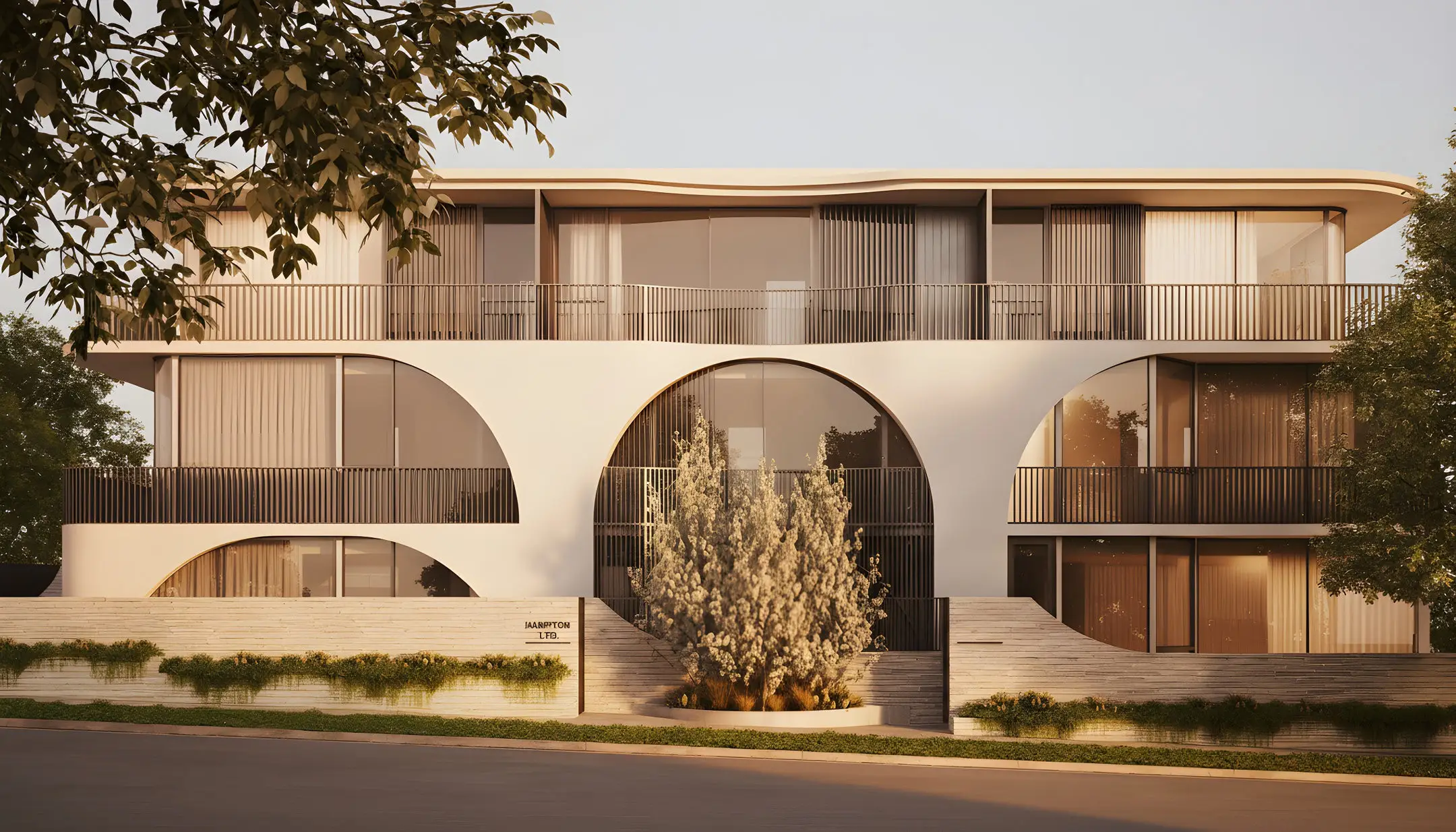
At Thornbury House in Melbourne’s north, the inclusion of onsite charging is less about an optional extra and more about a seamless daily ritual. By removing the need for external infrastructure, the development integrates a solution that saves residents both time and logistical effort from day one.
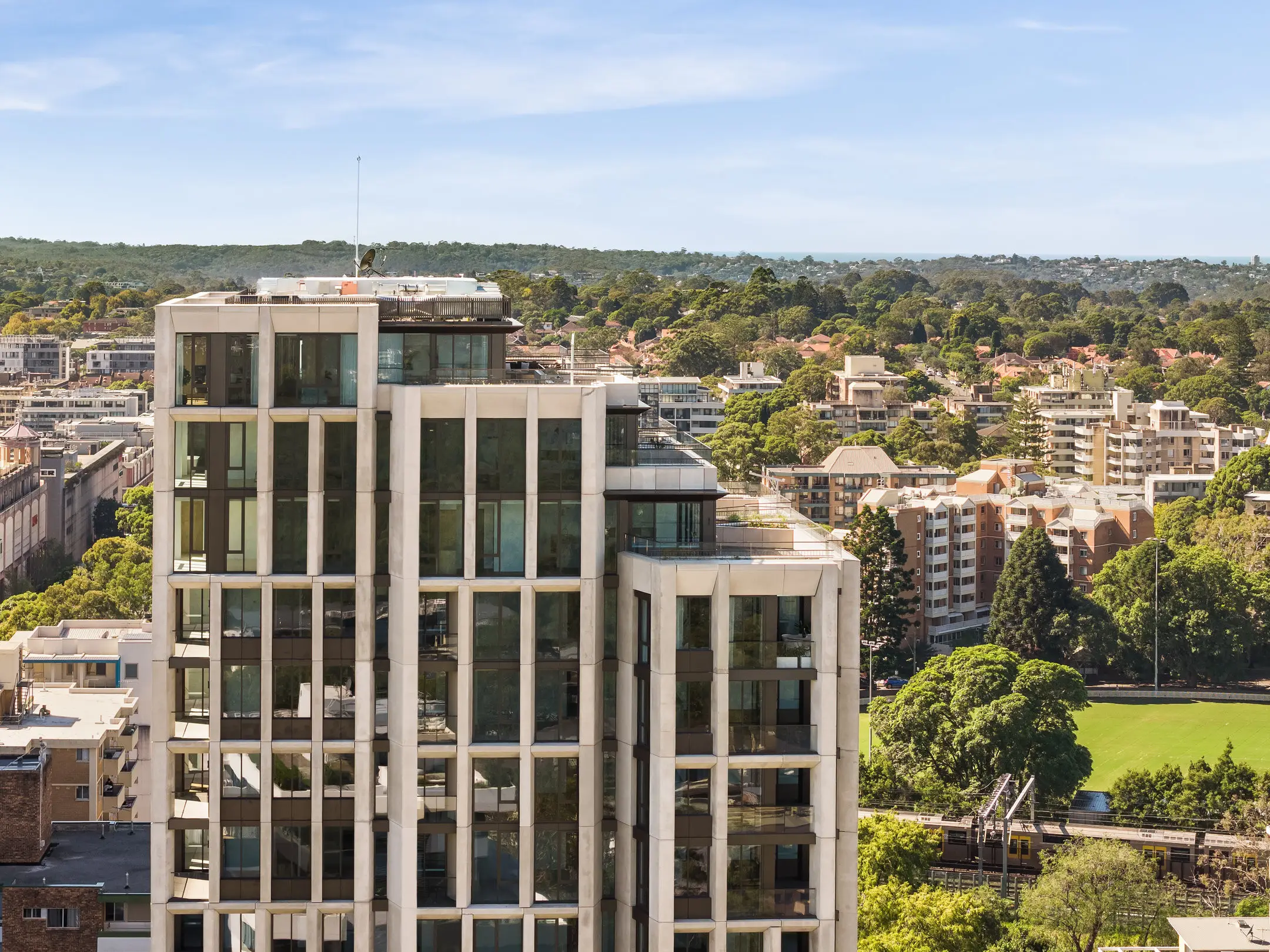
In Surfers Paradise, 26 Vista approaches mobility through a community-focused lens. By integrating EV car-sharing and dedicated charging stations into the building’s ecosystem, the development moves beyond individual ownership. This reflects a sophisticated understanding of how high-density living is evolving, offering flexible options for residents at various stages of their new home journey.

Architecting for the invisible shift
Some of the most vital work in this space is happening beneath the surface, where the focus is on long-term value rather than immediate visibility.
Developments like Sierra Hawthorn, Saxon Street by Milieu and Derby Street by Milieu treat ‘EV-readiness’ as a fundamental component of the build.
By embedding the underlying infrastructure during the initial construction, these developers are providing a canvas for future technology. This is a commitment to the building’s legacy; it ensures that as resident needs evolve, the architecture is ready to meet them without the cost of retrofitting.
A framework for evolution
At Collins Wharf in Docklands, the focus is on the ‘backbone’.
By incorporating scalable infrastructure that supports optional upgrades, the development acknowledges that while the direction of travel is clear, the technology itself is still finding its form. It provides a framework for growth - a recognition that a home, whether a townhouse or apartment, should be as adaptable as the people who live in it.
Beyond the single solution
There is no single blueprint for bringing electric vehicles into our homes. Instead, developers are building solutions that make practical sense for the size of the building, its location, and how the residents actually live.
These decisions, made years ago in quiet design meetings, are now becoming the defining features of the modern Australian landscape. While rising fuel costs may be the catalyst for the current conversation, it is the foresight of the design community that has ensured we aren’t just reacting to the future, but are already prepared for it.
For more off-the-plan articles, click here.
Share this article
Sign up for new article alerts
Receive every new listing in your inbox