

Filters
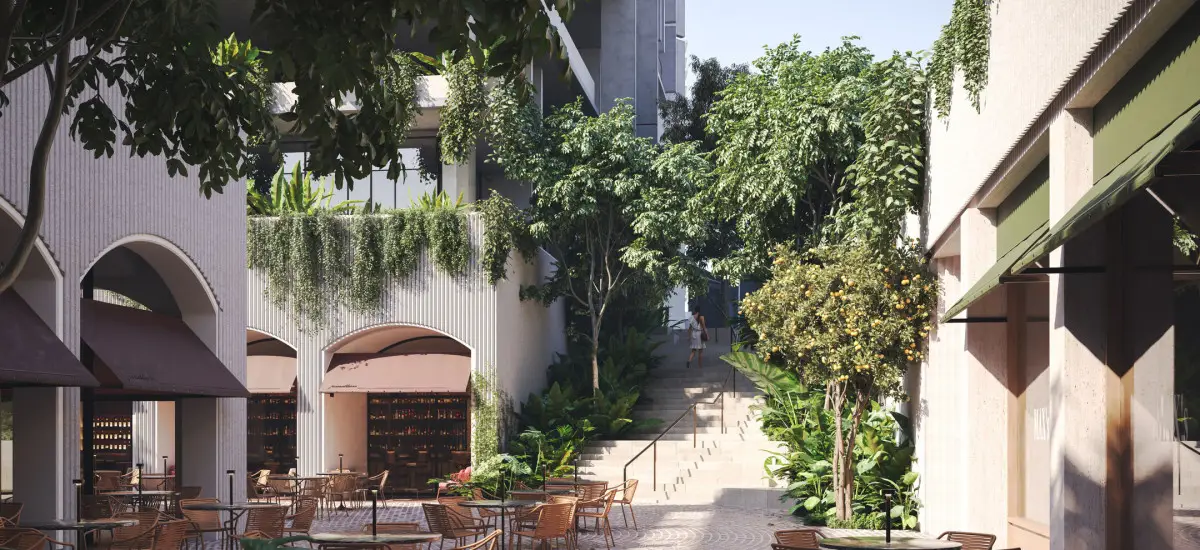
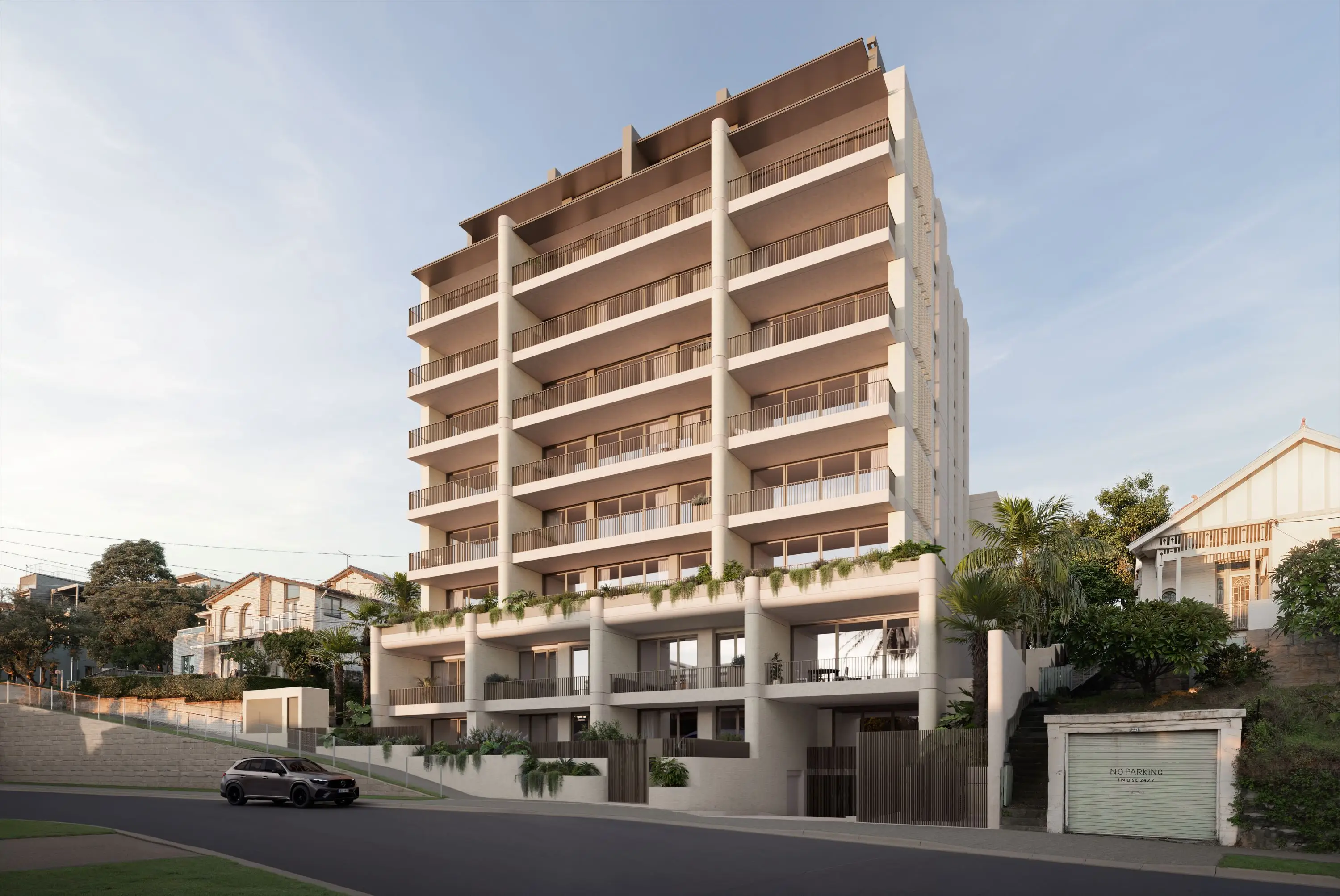
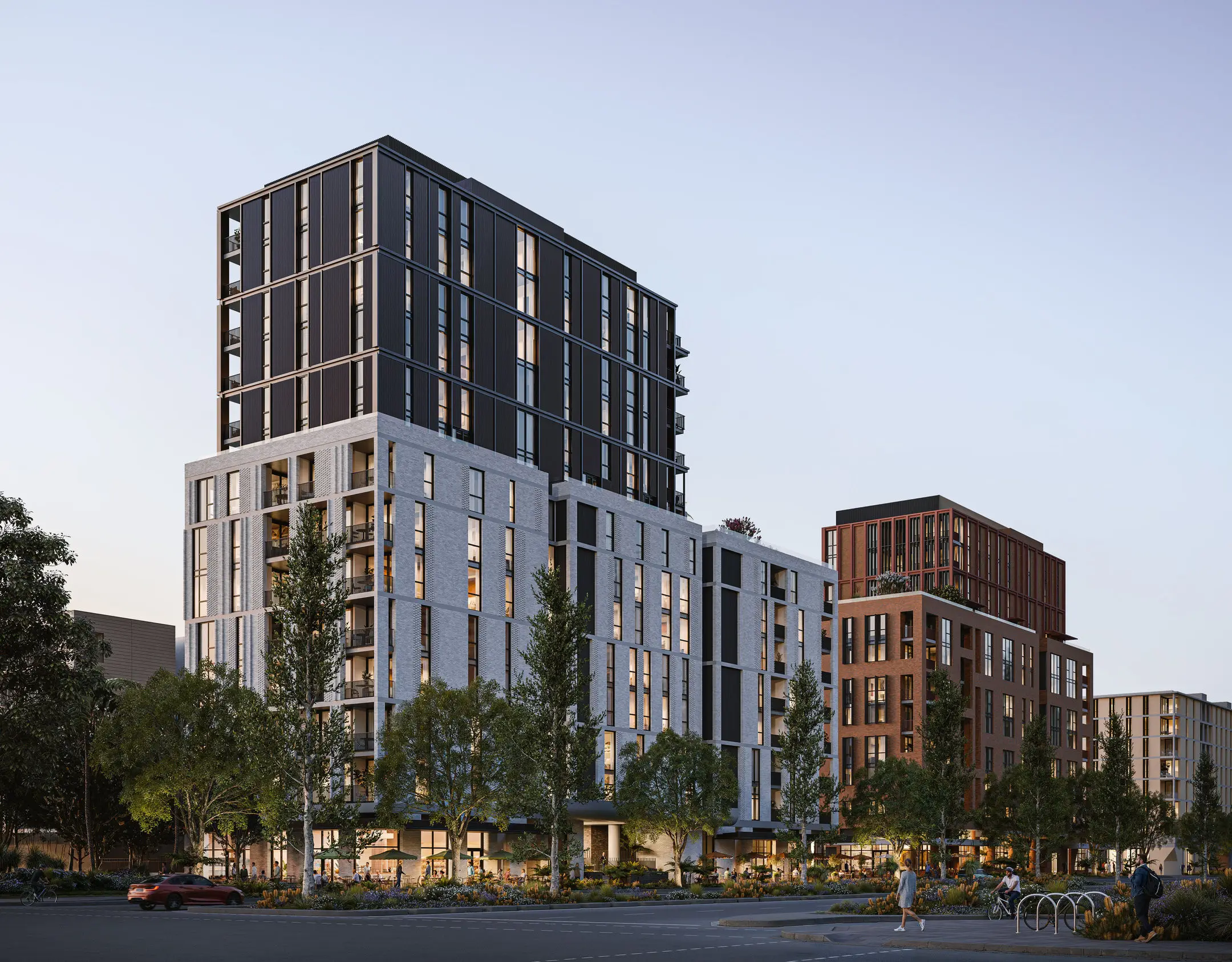
Beyond the renders and beautiful brochures - here’s what day-to-day life actually feels like.
If you’ve never lived in a new development before, it’s completely natural to be curious about what everyday life there might feel like.
- Will it feel welcoming and easy to settle into?
- Will the building be lively, or quietly relaxed?
- Will the convenience and lifestyle promised in the brochure hold up once you move in?
They’re thoughtful questions - and exactly the kind of things worth exploring before making a decision.
The truth is, modern developments are designed very differently to older apartment blocks or townhouse complexes. They’re not just buildings - they’re carefully planned communities.
Here’s what living in one is often like: the practical bits, the lifestyle perks, and the small everyday details that make a difference.
You’re often right where things are happening
New developments are often built in areas undergoing renewal or growth, which usually means one very important thing - they’re close to things. Like:
- Transport links
- Retail precincts
- Cafés
- Medical centres
- Parks
- Schools
New developments can be found in a wide range of locations - from established neighbourhoods close to existing infrastructure, to emerging areas where new shops, parks and transport links are starting to take shape.
For residents, that can mean:
- Walking to grab coffee instead of driving
- Catching a train without battling traffic
- Grabbing groceries downstairs or across the road
- Living close to work, reducing commute time
It’s not just about convenience. It’s about getting time back.
Amenities you’ll actually use (more than you think)
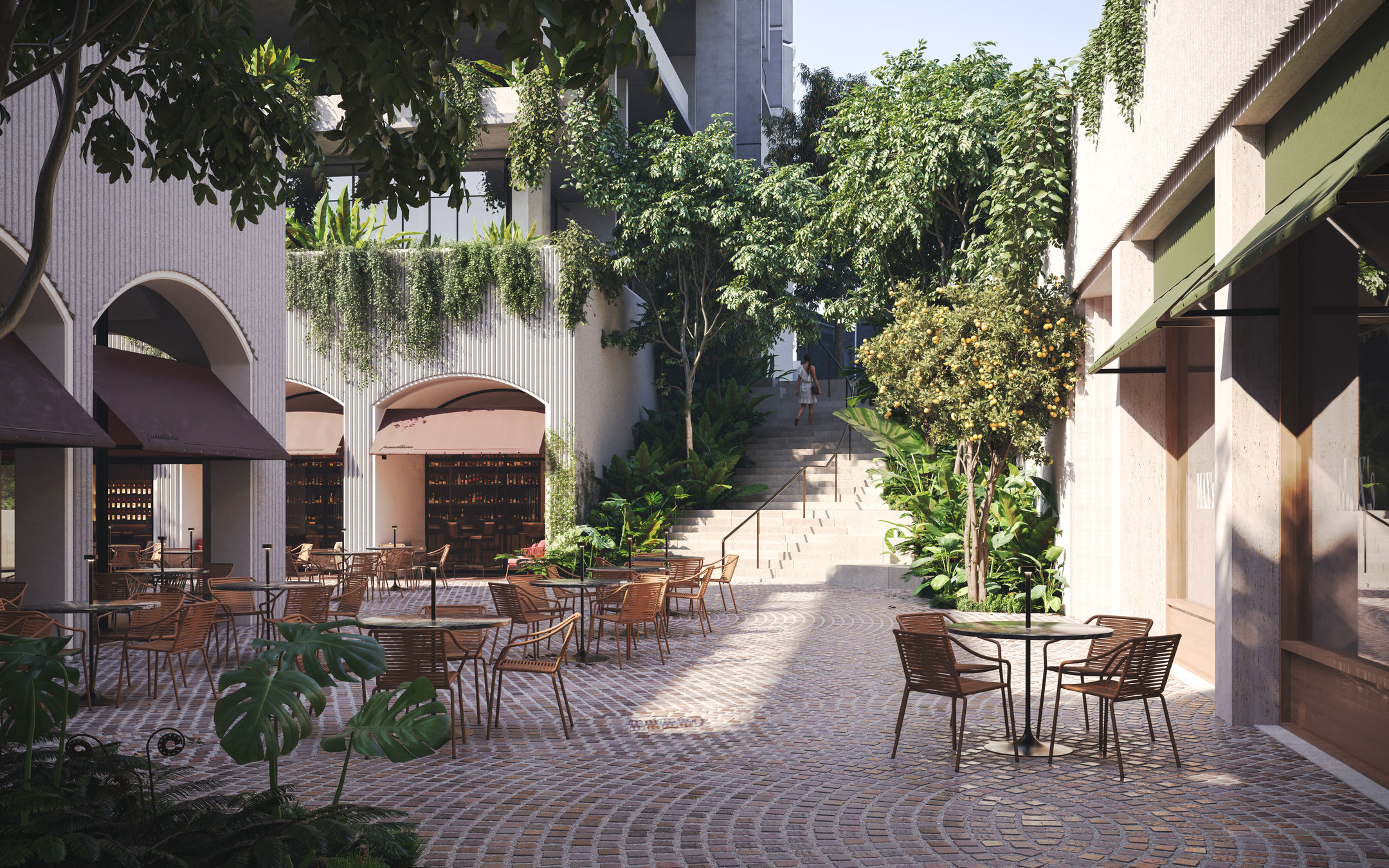
Modern developments often include shared spaces - and for many buyers, this is unfamiliar territory. Think:
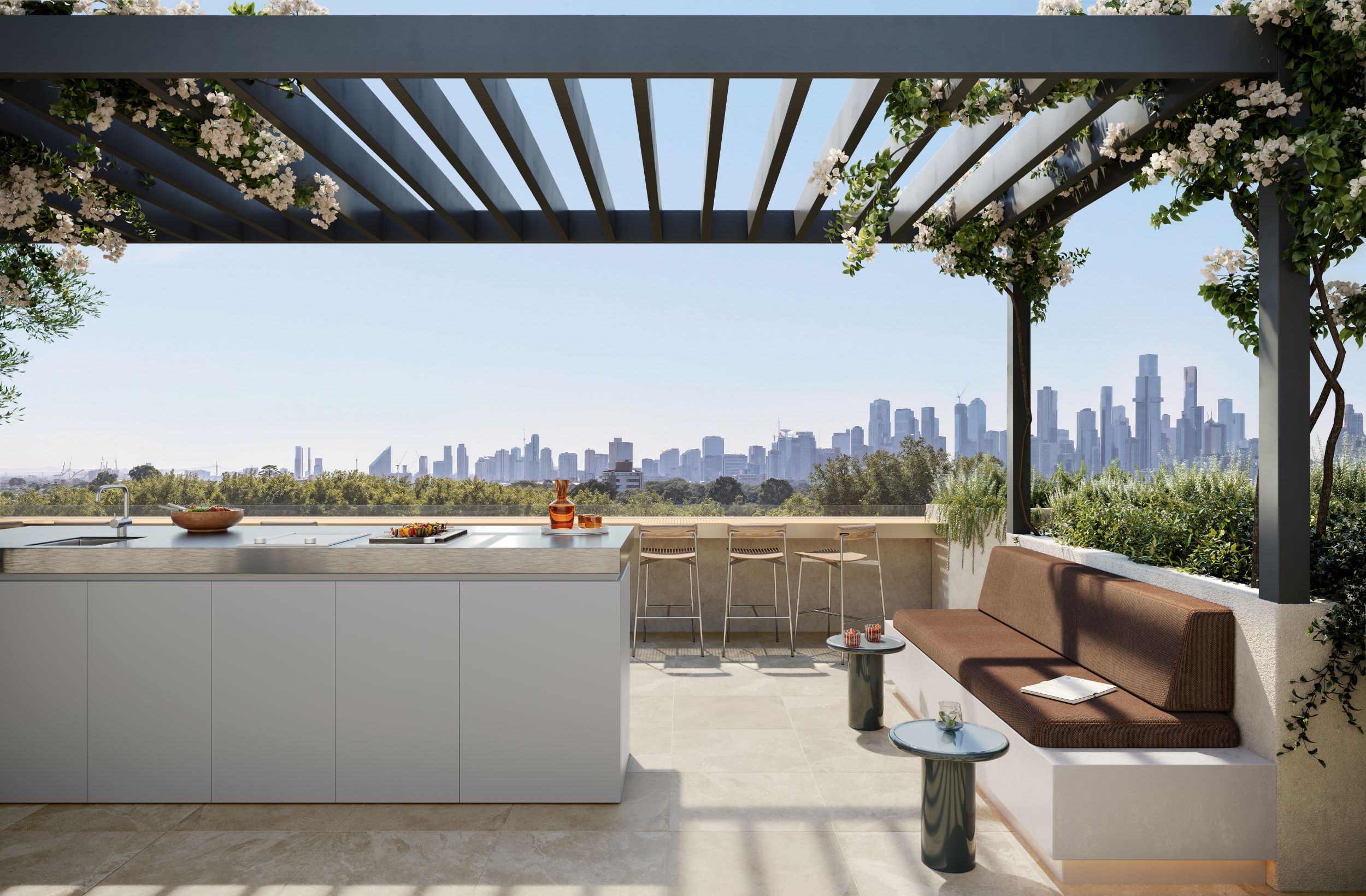
- Rooftop terraces
- BBQ areas
- Pools, saunas and spas
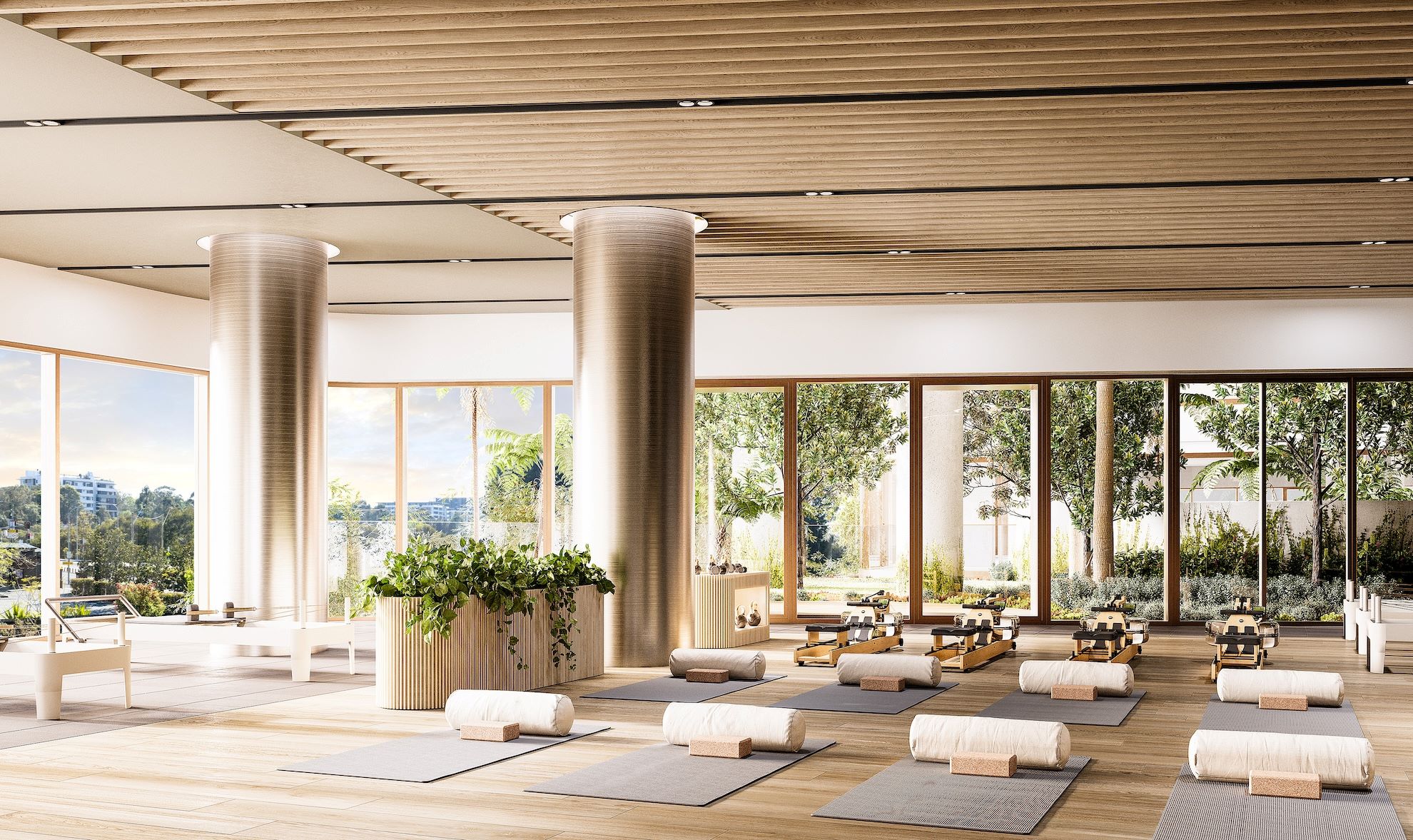
- Gyms and yoga/Pilates studios
- Residents’ lounges
- Co-working spaces
- Parcel lockers
- Secure bike storage
At first glance, it can feel like a hotel. In reality, these spaces often become extensions of your home.
Instead of cramming everyone into your living room, you host a birthday on your rooftop.
Instead of paying for an external gym membership, you use the one in the building. (Then jump straight from the onsite sauna into the plunge pool.)
Instead of missing deliveries, your parcels are received and securely locked up until you’re home.
For downsizers, this means less maintenance but still plenty of lifestyle.
For young families, it means safe, shared spaces close to home.
For professionals, it means convenience and flexibility.
Everything is new (and that’s quietly a big deal)
There’s something deeply underrated about everything working properly.
- Appliances that haven’t been worn down
- Plumbing that doesn’t surprise you
- Energy-efficient heating and cooling
- Lifts that are modern and reliable
- Secure entry systems
- Fresh paint, clean lines, no “mystery fixes”
For first home buyers, this can mean fewer unexpected costs. For downsizers, it often means freedom from weekend repairs. For investors, it can mean stronger tenant appeal and lower maintenance early on.
New doesn’t just look good: it reduces friction in everyday life.
A sense of community (without the pressure)
One of the surprises for many residents is the sense of community that forms.
When everyone moves in around the same time, there’s a shared experience:
- Everyone figuring out the bin room together
- Friendly nods in the lift
- Meeting neighbours in shared spaces
- Watching the precinct come to life
It’s not forced. It’s not overwhelming. But it can feel connected.
And because developments are often mixed - young professionals, downsizers and rightsizers, families - they tend to reflect modern, diverse communities.
Security & peace of mind
New developments are typically designed with security front of mind. Things like:
- Secure building access
- Intercom systems
- Well-lit common areas
- Basement parking
- CCTV in shared spaces
For many buyers, that added layer of security brings real comfort.
It’s about being able to lock up and leave to travel for months on end. Or come home late and feel safe. Or let your teenager use the gym in the building without worry.
The trade-offs
Like any type of home, living in a development comes with its own mix of benefits and considerations.
Living in a development usually means:
- Strata or body corporate fees
- Shared responsibility for common areas
- Living closer to neighbours than you might in a standalone house
For many buyers, though, the balance often works in their favour. In return, developments can offer:
- Access to shared amenities
- Lower day-to-day maintenance
- Modern design and energy-efficient features
- A lifestyle that prioritises ease and flexibility
Ultimately, it’s about finding the right fit for your stage of life and the way you want to live.
So… what’s it really like?
For most people, it feels:
- Convenient.
- Connected.
- Low maintenance.
- Designed for modern routines.
It feels like living somewhere that was built with today’s lifestyle in mind, rather than retrofitted from decades ago.
And once you’ve lived in a well-designed development - where everything is close, everything works, and your home feels efficient - it can be hard to go back.
Final thought
If you’ve never lived in a new development before, it’s completely natural to have questions.
The best way to understand what it might be like isn’t just to look at the renders or floorplans - it’s to imagine the everyday moments.
Your morning coffee. Your commute to work. The parcels waiting safely when you get home. Relaxing weekends. A quick workout downstairs. The plans you’re making for the next chapter.
Because when it’s thoughtfully designed, a new development doesn’t just give you somewhere to live - it helps make everyday life a little easier.
For more off-the-plan buying guides, click here.
Share this article
Sign up for new article alerts
Receive every new listing in your inbox