

Filters
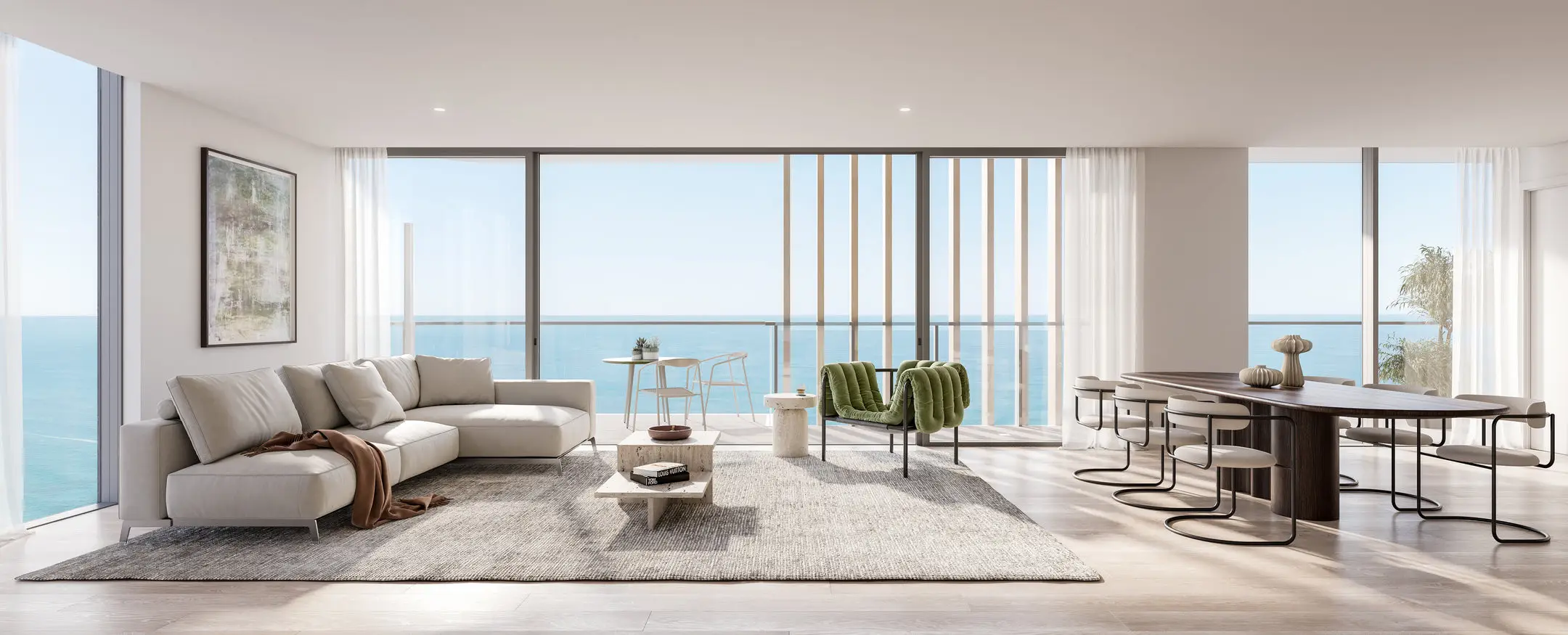
A display suite is designed to do one thing well: show a home at its very best. The lighting, the furniture, the finishes - everything has been considered to help you imagine life there. So, walking in with a list of good questions is what turns an inspiring visit into a genuinely useful one.
The sales team are there to help you, and a good one will welcome the questions. Here’s what’s worth asking.
About the home itself
What’s actually included in the contract, and what isn’t?
Display suites are often dressed with furniture, finishes and fixtures that aren’t part of the standard offering. They’re there to inspire - not necessarily to represent exactly what you’ll receive. Before you fall for the stone benchtops or the brushed nickel tapware, confirm whether they’re standard inclusions or upgrade options, and if upgrades are available, what they cost. It’s a simple question that can save a lot of surprises later.
How closely does this display reflect my specific home?
The display may be showing a different floor plan, a different level, or a different orientation to the one you’re considering. A north-facing apartment on level 12 is a very different experience from a south-facing one on level 2. Ask the sales team to walk you through exactly how your home differs - in size, layout, aspect, and finish - so you’re making your decision based on your home, not someone else’s.
What are the specifications for my home?
The specifications document sets out everything that’s included in your home - the flooring, the joinery, the appliances, the fixtures, and what materials will be used throughout. Ask for a copy and take it with you. This is the document you and your solicitor will cross-reference against the contract, and it’s the most reliable record of what you’re actually buying. If something matters to you, make sure it’s in there.
Can I make any changes or personalise anything?
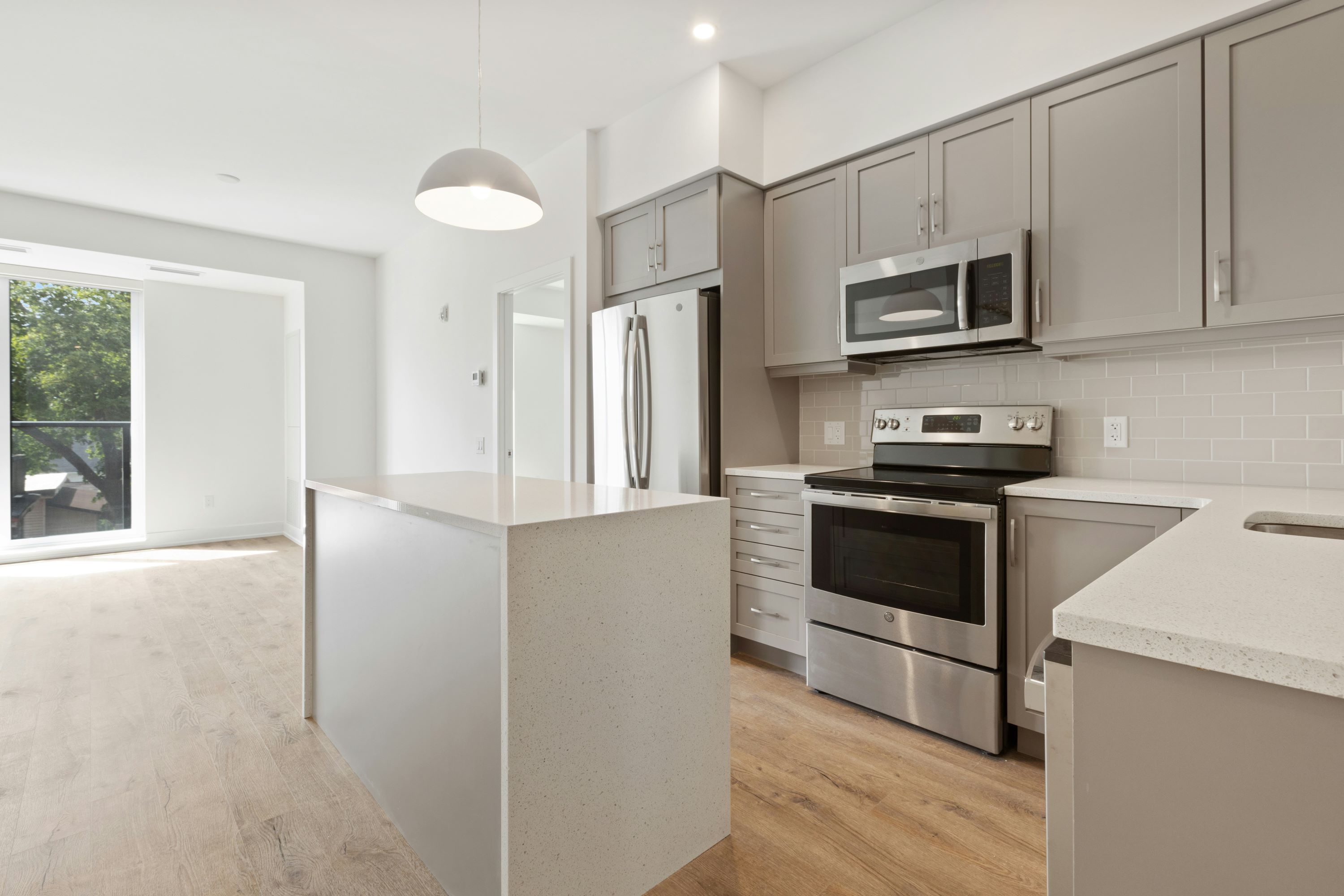
Some homes offer the ability to select finishes, fixtures or colour palettes before the build locks in - things like flooring colours, kitchen finishes, or tapware styles. This varies by developer and by how early you’re buying. Ask what’s available, what the deadlines are for making selections, and how the process works. If personalisation is important to you, this is the moment to find out what’s possible.
About the building
What shared facilities are included, and what do they cost to run?
If the building includes a pool, gym, rooftop terrace or concierge, these are great selling points, and will come with ongoing costs. Body corporate fees (sometimes called owners corporation fees, depending on your state) cover the maintenance and management of shared areas, and they’re paid by every resident, every year. Ask for an estimate of what these fees are likely to be, and what they cover. A building with impressive facilities but high fees can affect your budget more than you’d expect.
How many residences are in the building, and how many have sold?
This question tells you a lot. The number of presales - homes that have already been sold - gives you a sense of how the development is tracking. A high proportion of sold homes is a positive signal, as it often means the developer has secured construction finance and the build is genuinely moving forward. If a development is still in early stages with relatively few sales, that doesn’t mean it won’t proceed - but it’s useful context for understanding where things are at.
What are the car parking and storage arrangements?
Not all homes include a car space or storage cage as standard, and in apartment living these can matter a great deal. Confirm what’s included with your specific home, where it’s located in the building (basement levels vary), and whether additional spaces are available to purchase if you need them. If you have a specific car (or two), it’s also worth asking about the dimensions of the space.
What does the building look like from the outside, and what’s around it?
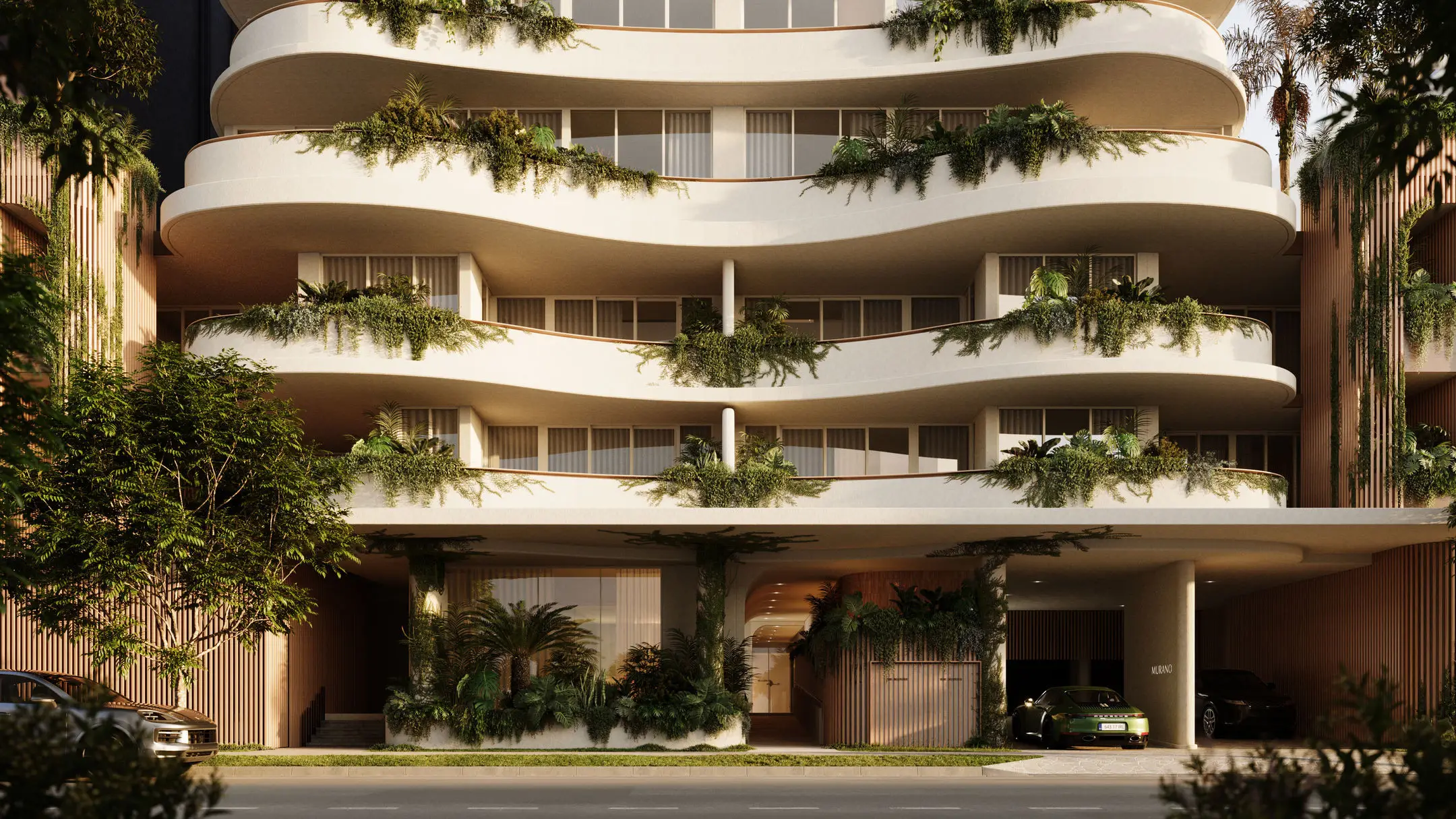
A render gives you one view of the finished building, usually at its most flattering angle. Ask about the surrounding streetscape, what’s next door, and what’s planned for the area in the coming years. If your building has a rooftop terrace or an elevated outlook you’re excited about, ask whether any future development nearby could affect those views. It’s not always possible to know for certain, but it’s a question worth asking.

About the developer
What else have you built?
This is one of the most important questions you can ask, and a confident sales team will have a ready answer. A developer with a strong portfolio of completed homes - particularly of a similar type to what you’re buying - has proven they can take a development from concept to completion. Ask to see examples of their previous work, and if possible, ask whether you can visit a completed development to see the quality firsthand.
Who is building this, and what’s the construction timeline?
It’s worth knowing that the developer (the company actually delivering the development) and the builder (the company actually constructing it) are often two separate entities. Ask who the builder is and what their track record looks like. If the development is still in its early stages, a builder may not yet have been appointed, which is completely normal. In that case, ask how the developer plans to approach the builder selection process and when they expect to make that decision. For timeline, ask for a realistic completion window rather than just a best-case date - and understand that construction timelines can shift for reasons outside anyone’s control.
What does the handover process look like?
When your home is complete, there’s a process between “finished” and “yours”, and it’s worth understanding how that works. Ask about the pre-settlement inspection (your chance to walk through the home before settlement and flag anything that needs attention), what the developer’s process is for resolving defects after you move in, and whether there’s a dedicated team you’ll deal with post-settlement. A developer who handles this well is usually one who takes their reputation seriously.
About the process
What happens after I sign?
If you’ve never bought off-the-plan before, the journey from signing to settlement can feel like a long stretch of uncertainty - but it doesn’t have to. Ask the sales team to walk you through what happens at each stage: when you pay your deposit, how often you’ll receive build updates, when you’ll need to have finance formally approved, and what the settlement process looks like. Knowing what’s coming and when makes the whole experience feel a lot more manageable.

When do I need to have finance in place?
This surprises a lot of buyers: formal finance approval for an off-the-plan purchase happens close to settlement, not when you sign the contract. That can be 18 months or more away. That said, it’s worth getting pre-approval in place early and staying in regular contact with your broker throughout the build, so there are no surprises when settlement approaches. Ask the sales team what timeline they’d recommend for getting your finance sorted.
What’s the sunset clause, and what does it mean for me?
Every off-the-plan contract includes something called a sunset clause, which is a date by which the development must be legally complete. If that date isn’t met, it can give either party the right to walk away from the contract. In most cases the sunset clause is never triggered, but it’s still worth understanding what yours says. Ask the sales team what the sunset date is and what happens if the build runs close to it. Your solicitor will review this in detail before you sign, but it’s good to have a basic understanding going in.
Are there any buyer testimonials I can access?
Hearing from people who’ve already bought in this development - or who’ve purchased from this developer before - can be genuinely reassuring. Ask whether the developer has testimonials available, or whether there are previous buyers willing to share their experience. It’s not always possible, but a developer proud of their work is usually happy to let it speak for itself.
A few practical tips for the visit
Take photos of anything that catches your eye - finishes, fittings, fixtures - so you can cross-reference them against the specifications later. If the sales team tells you something verbally that isn’t in the printed materials and it matters to you, note it down and follow up in writing.
Don’t feel pressured to make a decision on the day. A display suite visit is a research trip, not a commitment. The right home will still be the right home after you’ve had time to think, ask more questions, and speak to your solicitor and broker.
And if something feels off - like vague answers, pressure to sign quickly, reluctance to share documentation - trust that instinct.
The best display suite visits are the ones where you leave knowing more than when you arrived, not just more excited! With the right questions in your pocket, that’s exactly what you’ll get.
Share this article
Sign up for new article alerts
Receive every new listing in your inbox